Say Goodbye to Spider Veins: A Complete Homeopathic Guide to Varicose Veins
Discover the modern causes of varicose veins and explore how targeted homeopathic remedies can provide lasting relief from swollen veins and painful ulcers.
Don't self-treat a serious condition
Conditions like this deserve a doctor's eye. Start an online consultation and get a treatment plan suited to you.
Start ConsultationVaricose veins are a direct reflection of our modern, increasingly sedentary lifestyles. We are constantly in a hurry, often swapping short walks for rides in cars or on motorbikes. Even children spend more time indoors with screens and fast food than playing outside. This shift toward sedentary habits, combined with prolonged unnatural postures in our professional lives, has led to a significant rise in venous disorders.
What Are Varicose Veins?
Veins are the blood vessels responsible for collecting impure blood from your tissues and carrying it back to the heart and lungs for purification. The veins in your lower limbs have an especially difficult job: they must push blood upward against gravity.
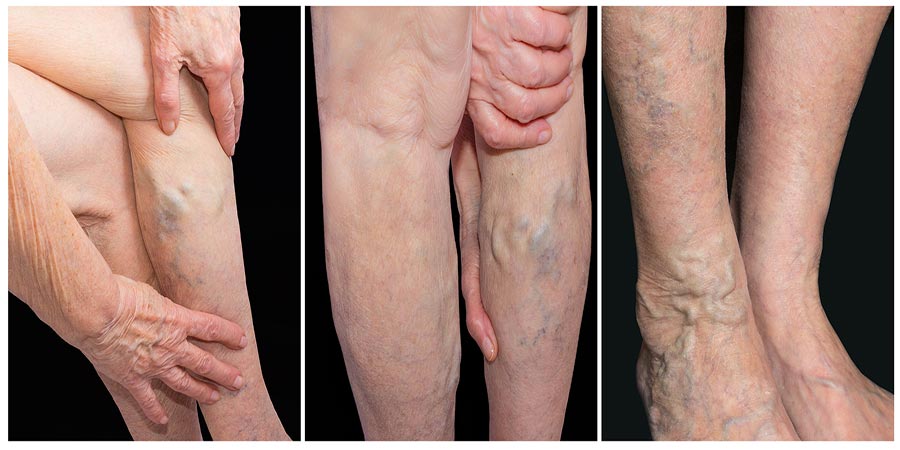
To achieve this, veins contain one-way valves. When you stand, these valves close to prevent blood from flowing backward toward your feet, ensuring unidirectional flow to the heart. If these valves are absent or become defective, they fail to control the one-way flow. High backpressure causes the blood to pool, leading to swollen, dilated veins just beneath the skin. These prominently visible veins often look like blue-colored spider webs or twisted earthworms.
Primary Causes and Risk Factors
Heredity: Varicose veins frequently run in families across generations.
Obesity: Excess weight places additional strain on the circulatory system.
Lack of Exercise: A sedentary routine weakens the calf muscles that help pump blood.
Occupational Hazards: Prolonged standing or sitting with legs hanging down restricts blood flow. Computer professionals, BPO/KPO workers, receptionists, security guards, traffic police, salesclerks, and desk-bound workers are highly susceptible.
Medical History: Previous bone fractures from accidents, deep vein thrombosis (DVT), and a history of blood clotting are major contributing factors.
Age-related wear and tear naturally weakens the valves in your veins, making older adults more susceptible to varicosity.
Why Women Are More Prone
Women experience varicose veins more frequently, largely due to the immense pressure placed on leg veins during pregnancy. Furthermore, the female hormone progesterone naturally relaxes the muscular walls of blood vessels, making them more prone to dilation.
While varicosity often disappears on its own after delivery as the veins assume their normal shape, this is not always the case. In some non-pregnancy instances, tumors in the uterus or abdomen can also exert pressure on pelvic veins, leading to varicosity in the legs.
Action Plan and Lifestyle Modifications
Many people ignore spider veins or blue threads under the skin until they complicate into painful varicose ulcers. Early intervention is key.
Immediate Steps: Stop smoking immediately. Nicotine constricts blood vessels and hardens arterial and venous walls, significantly worsening circulatory issues.
Diet & Exercise: Eat plenty of fresh fruits and green vegetables. Engage in light, regular exercises. Yoga, combined with homeopathic care, is highly beneficial.
Elevating your legs above your heart for 15–20 minutes daily and wearing graduated compression stockings can drastically reduce venous pooling and relieve aching.
Homeopathic Treatment Protocol
Homeopathy offers gentle, constitutional treatment for varicose veins and their complications, including painful ulcers.
Foundational Mother Tincture Protocol
For general support of the venous system:
Carduus Marianus Q
Hamamelis Virginiana Q
Dosage: Take ½ cup of water, add exactly 1 drop of each medicine, and drink slowly. Repeat four times daily (morning, noon, evening, and bedtime).
Specific Remedies for Varicose Ulcers and Associated Symptoms
The following remedies are selected based on the specific presentation of the ulcer and the patient's overall physical constitution.
Nitricum Acidum
Ulcer type: Irregular, deep, and filled with exuberant granulations. Bleeds on the slightest touch.
Sensation: Characterized by violent burning and sticking pains.
Mercurius (Merc Sol)
Ulcer type: Rapidly spreading, superficial, flat, and painless. Often pale, covered with phlegm-like pus, or has an impure lardaceous surface with inflamed, everted edges resembling raw meat that bleed readily. (Note: Also applicable to syphilitic ulcers on the scalp or penis).
Constitutional Symptoms: Swollen, spongy, bleeding gums with a fetid odor and whitish edges. Teeth feel loose or become black and carious. The tongue is moist with intense thirst, yet swollen and flabby, showing teeth imprints on the edges. Patient experiences cold, clammy night sweats that drive them out of bed but afford no relief.
Other Symptoms: Colic, burning, and tenesmus during stools. Chilliness between stools. Pain in the liver region (worse lying on the right side). Boring pain in exostoses (bone outgrowths) at night. Menstrual anxiety with a red, dark-spotted tongue. Excoriating, burning leucorrhoea that is worse at night. Round, coppery-red spots shining through the skin.
Kalium Bichromicum (Kali Bic)
Ulcer type: Circumscribed, deep ulcers with regular edges, appearing as if cut out with a punch. Tendency to perforate.
Constitutional Symptoms: Best suited for fat, light-haired individuals or chubby children. Characterized by tough, stringy, viscid mucus discharges from any mucous membrane (nose, mouth, vagina) that can be drawn into long strings. Sensation of a heavy weight hanging from a swollen, stiff nose. Cough with wheezing and panting, worse when undressing or waking in the morning, but better after getting warm in bed. Also indicated for membranous and diphtheritic croup.
Lachesis
Ulcer type: Characterized by great sensitiveness to touch, a distinct bluish appearance, and a bad odor. Often surrounded by pimples, blisters, or pustules.
Arsenicum Album
Ulcer type: Bleeds easily with excoriating, dark, and sanious (blood-tinged) discharge. Accompanied by burning, lancinating pains.
Asa Foetida
Ulcer type: Extremely sore and entirely intolerant of all dressings.
Constitutional Symptoms: Highly adapted to nervous, hysterical, or scrofulous individuals with venous/hemorrhoidal constitutions. Often accompanied by a sensation of a ball rising in the throat (globus hystericus) requiring frequent swallowing, occasionally causing difficult breathing.
Carbo Vegetabilis
Ulcer type: Low-type, flat varicose ulcers discharging thin, ichorous, offensive pus. The burning sensation is worse at night.
Constitutional Symptoms: Vital forces are nearly exhausted (cold surface from knees to feet, intermittent/thready pulse, cold sweat on limbs, cool breath). The patient desires to be fanned and needs more air. Excessive flatulence with an abdomen full to bursting (worse from least food, better from passing flatus or sour/rancid eructations). Aversion to meat, fat, and milk. Head painfully sensitive to the pressure of a hat. Burning in the chest as if from glowing coals. Hoarseness and aphonia (worse morning/evening). Morning leucorrhoea that is milky, acid, and excoriating.
Causation: Ailments following quinine abuse, suppressed chills/fever, mercury abuse, or consuming putrid meat, fish, or rancid fats.
Specialized Categories
Remedies for Ulcers Surrounded by Pimples, Blisters, or Pustules:
Lachesis, Arsenicum, Phosphorus, Lycopodium, Mercurius, Hepar Sulphur, and Silicea.
Remedies for Ulcers Around the Small Joints of the Fingers:
Borax: Accompanied by a severe dread of downward motion (swings, cradles). Aphthae (canker sores) on the tongue/cheeks with severe mouth dryness. Hot urine causing a dread of urination.
Mezereum: Accompanied by thick, leathery crusts on the head under which pus collects and mats the hair. Itching is worse at night; scratching tears off scales leaving raw spots where fat pustules form. The ichor (discharge) excoriates surrounding skin.
Sepia: Especially suited for women (particularly during pregnancy, childbed, or nursing) and persons with dark hair. Characterized by a yellow saddle across the nose, brown liver spots on the skin (chest/abdomen), and weakness/pain in the back that worsens when sitting still. Excoriating, yellow (milk/pus-like) leucorrhoea. A prominent sensation as if pelvic organs would protrude from the vagina, forcing the patient to cross her limbs.
Note: Always consult with a qualified homeopathic practitioner before beginning constitutional treatment to ensure the remedy matches your specific symptom profile.
Don't self-treat a serious condition
Conditions like this deserve a doctor's eye. Start an online consultation and get a treatment plan suited to you.
Start Consultation