The Silent Killer: A Complete Guide to Managing Blood Pressure with Homeopathy
Discover the hidden risks of hypertension and explore a comprehensive, easy-to-understand guide on managing both high and low blood pressure using natural homeopathic medicines.
Don't self-treat a serious condition
Conditions like this deserve a doctor's eye. Start an online consultation and get a treatment plan suited to you.
Start ConsultationHypertension, commonly known as high blood pressure, affects a vast number of adults today, and the percentage of those afflicted is steadily increasing with modern advancement. Even people living in the countryside are now suffering from such problems due to shifts in their dietary habits and overall lifestyle.
According to the World Health Organization (WHO), an estimated 1.28 billion adults aged 30–79 years worldwide have hypertension, with the majority living in low- and middle-income countries.
Because it rarely makes a person feel ill, it is often called a "silent killer." If it goes undetected and untreated, it can lead to serious, life-threatening complications, including heart attacks. Unfortunately, most people with hypertension are not being treated, putting their health at severe risk.
The Mechanics of Blood Pressure
Blood pressure is a measure of the force exerted by the blood flowing through the arteries (the vessels that carry blood from the heart to the rest of the body). A certain amount of pressure in the arteries is absolutely normal and necessary to transport blood to where it needs to go.
Blood pressure naturally fluctuates throughout the day. In particular, it increases during exercise and decreases during sleep. However, if the pressure becomes consistently too high, it becomes a major health hazard. Repeated episodes of high pressure can damage the arteries, causing them to thicken and become less elastic. This, in turn, limits the flow of blood and may cause permanently raised blood pressure.
When arteries become thickened and stiff—a condition known as arteriosclerosis—it forces the heart to pump harder, which can lead to left ventricular hypertrophy (enlargement of the heart muscle) and eventual heart failure.
Measurement and Diagnosis
All adults should have their blood pressure checked at least once every year, as blood pressure naturally goes up with age.
Blood pressure is measured using a cuff device called a Sphygmomanometer
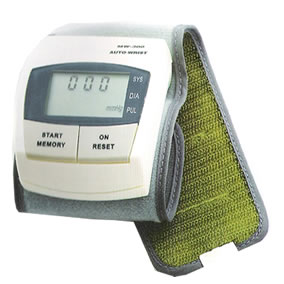
, which is worn on the arm and can be inflated and deflated. A blood pressure reading gives two measurements in millimeters of mercury (mmHg):
Systolic Pressure (The first number): The force of the blood as the heart contracts to pump it around the body.
Diastolic Pressure (The second number): The force while the heart is relaxing and filling with blood again in preparation for the next contraction.
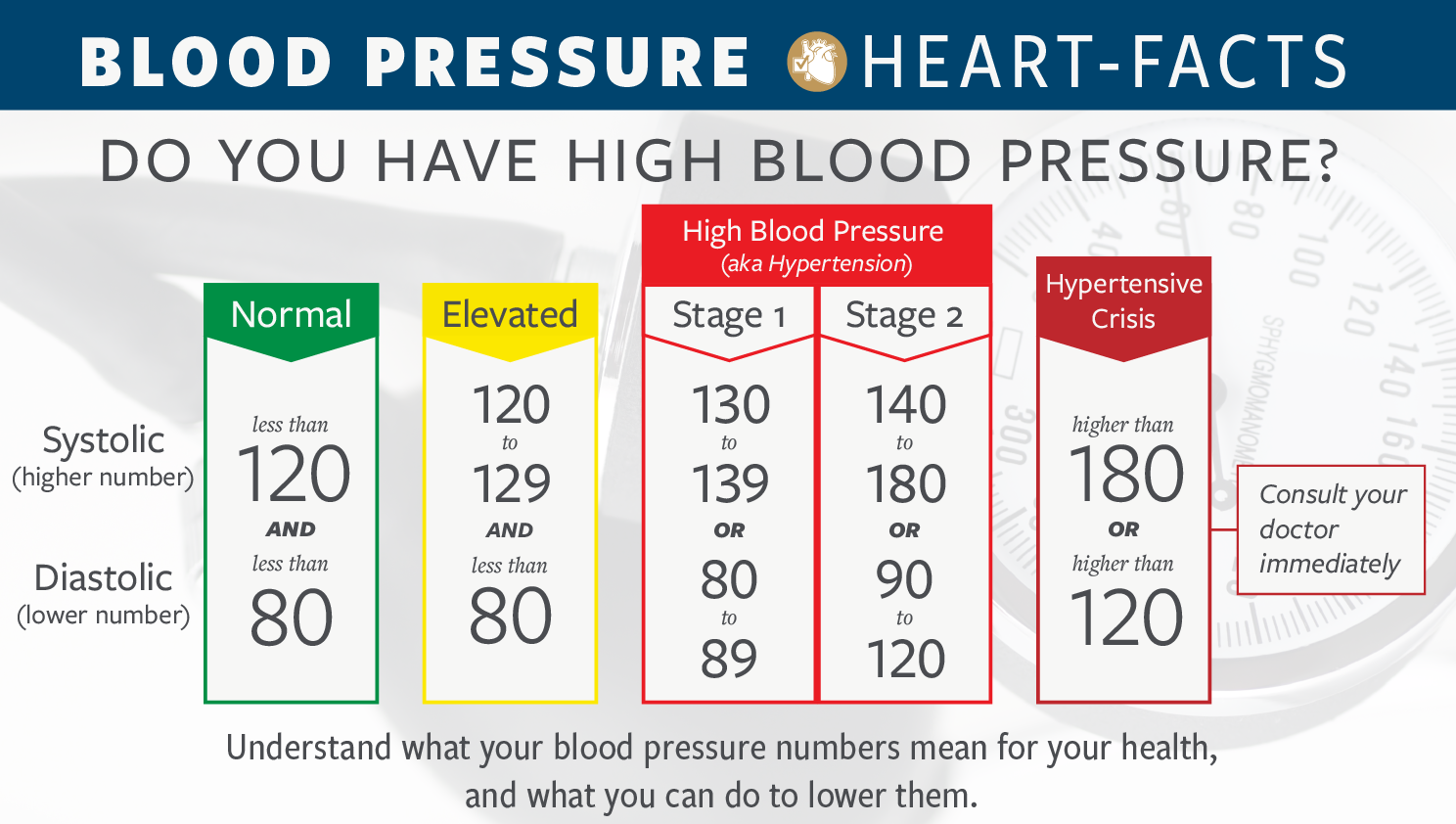
A normal reading for an adult should generally be no higher than 140/85 mmHg. People with certain medical conditions, such as diabetes, should aim for a blood pressure even lower than this—around 130/80 mmHg or below.
Several readings should be taken over a period of time to get an accurate measurement, as blood pressure can fluctuate; one high reading does not necessarily mean a person has hypertension.
Causes and Lifestyle Factors
In over 90% of cases, there is no single underlying cause. However, contributing factors include:
Drinking too much alcohol
Being overweight or obese
Eating too much salt
Not doing enough physical exercise
Family history (high blood pressure can run in families)
In a very small number of cases, a single direct cause can be found, such as kidney disease. Some medications may also cause a rise in blood pressure.
Hypertension with no identifiable medical cause is known as "Primary" or "Essential" hypertension, whereas high blood pressure caused by an underlying condition (like kidney disease or adrenal gland tumors) is called "Secondary" hypertension.
Prevention and Complications
There are many lifestyle changes a person can make to reduce their risk of hypertension or help lower their blood pressure if it is already high. These include:
Eating a healthier diet
The DASH (Dietary Approaches to Stop Hypertension) diet, which emphasizes fruits, vegetables, whole grains, and lean proteins, is clinically proven to lower blood pressure.
Doing more exercise
Cutting down on salt and alcohol intake
Practicing relaxation techniques (like Yoga) to help manage stress.
While smoking is not a direct risk factor for high blood pressure itself, it drastically increases the chance of heart attack, heart failure, and stroke. Within two years of stopping smoking, a person's risk of a heart attack is halved.
If blood pressure remains high, it can start to damage the blood vessels, leading to a heart attack, stroke, heart or kidney failure, or eye damage. Medications are available to help lower blood pressure. If you have hypertension, reducing your blood pressure by just 5 mmHg can reduce your risk of having a heart attack by about 20%.
Homeopathic Therapeutics for Blood Pressure Management
Below is a comprehensive guide to specific medicines, categorized by their distinct symptom profiles and indications:
For High Blood Pressure (Hypertension)
Adrenalinum: Arrests the rise of blood pressure, lowers the pulse, and strengthens the heartbeat.
Aurum: Indicated for high blood pressure due to suppressed anger or resentment, accompanied by violent headaches and vertigo. Mentally, the patient is very melancholy with disgust for life and a suicidal tendency. Visually, objects appear as if divided horizontally (can only see the lower half; the upper half looks covered by a dark body). Associated with deep ulcers affecting the bones after mercury abuse, and caries of the nasal, palatine, mastoid, and ossicular bones.
Baryta Muriatica: Indicated for hypertension and vascular degeneration with increased pulse tension. Great for arteriosclerosis (similar to Aurum, Secale) with high systolic pressure but low diastolic tension. Symptoms include thickening of arteries with cardiac dilation, muscle/joint stiffness and weakness (as from over-walking), and organic lesions of the aged and dwarfish (both mentally and physically). Old people experience heaviness rather than acute pain in the head, and vertigo due to cerebral anemia and ear noises. Physical signs include icy coldness of the body with paralysis (muscular power gone but perfectly sensible), indurations and narrowing of the cardiac orifice with pain immediately after eating, epigastric tenderness, aneurism, and chronic tonsil hypertrophy. Also covers nymphomania, satyriasis, great increase in uric acid, and diminution of chlorides.
Cannabis Indica: Indicated for hypertension with excessive loquacity. Emotional excitement, rapid mood changes, and time distortion (seconds seem like ages, a few rods seem an immense distance). Very forgetful; cannot finish a sentence. Sensation as if the top of the head is opening and shutting, and as if the calvarium is being lifted. Includes uremic headaches, involuntary shaking of the head, and migraine attacks preceded by unusual excitement and loquacity.
Crataegus Oxyacantha: A powerful heart tonic acting directly on the heart muscle (no influence on the endocardium). Reduces blood pressure, produces giddiness, lowers pulse, and addresses air hunger. It is said to have solvent power upon crustaceous and calcareous deposits in arteries (arteriosclerosis). Useful for insomnia in aortic patients, cardiac dropsy, fatty degeneration, aortic disease, and diabetes (especially in children). Symptoms include extreme dyspnea on the least exertion without much pulse increase, and pain in the heart region and under the left clavicle.
Ferrum Phosphoricum 3x, Kalium Muriaticum 3x, Calcarea Phosphorica 3x: Used in combination for hypertension. Take one tablet of each every half hour; when relieved, reduce the frequency.
Gelsemium Sempervirens: High blood pressure triggered by fright, fear, exciting or bad news. Marked by muscular weakness, complete relaxation, prostration, and lack of muscular co-ordination. Sensitive to a falling barometer; cold/dampness brings on complaints. Symptoms include a heavy head (relieved by passing profuse watery urine), bruised brain sensation, full head, hot face, chilliness, and thick speech. Partial paralysis of eyelids, tongue, or swallowing organs. General depression from sun heat. Associated with diarrhea after sudden emotions/anticipation, inefficient or widely dilated/atonic labor pains (rigid os), fever heat with drowsiness, half-waking sleep with murmuring, little thirst, languor, and cold extremities.
Glonoinum: High blood pressure with heart oppression, vertigo, black spots before eyes, and difficulty going upstairs. Characterized by a surging of blood to the head and heart, sudden violent circulatory irregularities, and pulsating/throbbing pains throughout the body (distinct pulse felt in head without pain). The head feels enormously large and heavy, but the patient cannot lay it on a pillow or bear any heat about the head (better from uncovering). Confusion of ideas (streets seem strange, cannot find way home). Angio-spastic neuralgia of head/face. Very irritable; opposition causes excitement. Vertigo on standing upright. Constipation with itching, painful hemorrhoids, pinching in the abdomen, or copious blackish, lumpy diarrhea.
Lachesis Mutus: Gives quick results for hypertension when symptoms agree. Symptoms are aggravated after sleep. Tongue trembles when protruded or catches behind teeth. Sensation of two large lumps coming together in the throat on empty swallowing (better when swallowing food). Left-sided tonsillitis (choking or pain extending to the ear). Extremely sensitive to touch: neck and uterus cannot bear the contact of bedclothes (causes abdominal uneasiness without tenderness). Short and feeble menses; uterine/ovarian pains relieved by blood flow. Glottis spasms (suddenly something runs from neck to larynx, interrupting breath and waking them at night). Shin bone aches, hot flashes, metrorrhagia at climacteric, and great morning exhaustion.
Passiflora Incarnata: Has a quieting effect on the nervous system. Produces normal sleep (insomnia) and lowers high blood pressure.
Tuberculinum: Hypertension in persons wasting in health. Patient is always tired, intense fatigue on motion, averse to work, wants constant change, depressed, and melancholy. Highly susceptible to weather changes; light-complexioned, narrow-chested, lax fiber. Fear of dogs and animals. Desires to curse and swear. Contradictory characteristics (mania/melancholia, insomnia/sopor). Averse to meat; all-gone, hungry sensation; desires cold milk. Suffocation sensation (even in fresh air) and longs for cold air. Early-morning sudden diarrhea. Dysmenorrhea where pain increases with flow. Associated with chronic cystitis, renal affections (high potencies dangerous here if skin/intestines are abnormal), intensely itching chronic eczema (worse at night), TB children acne, measles, and psoriasis.
Medicines for Both High and Low Blood Pressure
Carbo Veg: Useful for both hypotension and hypertension with low vitality. Vital forces nearly exhausted: cold surface (knees to feet), lies as if dead, cool breath, thready intermittent pulse, cold sweat on limbs. Excessive flatulence (upper abdomen full to bursting, worse from least food, better from eructations/flatus). Violent, constant sour/rancid eructations. Aversion to meat, fat, and milk (which cause flatulency). Abdomen feels heavy; must walk bent. Head and gums painfully sensitive to pressure (feels as if bound with a cloth after taking a hat off). Deep rough voice failing upon exertion, hoarseness/rawness (worse evenings), aphonia (worse mornings). Burning in chest like glowing coals. Ailments from quinine, mercury abuse, salt/meats, putrid food, rancid fats. Desires to be fanned. Vertigo (must hold onto something/stooping). Morning milky, acid, excoriating leucorrhea.
China Officinalis: Hypertension and hypotension. Deep debility from exhausting discharges or loss of vital fluids, accompanied by nervous erethism. Extreme sensitiveness to touch (but hard pressure relieves). Sensitive to draughts. Sensation as if the skull would burst or brain is balancing to and fro, striking the skull. Intense throbbing of head/carotids. Flushed face after hemorrhages, sexual excesses, or fluid loss. Relieved by pressure/warm room. Scalp sensitive (worse combing hair). Aches worse in open air, contact, current of air, stepping. Vertigo walking. Blue color around eyes, eye pressure, amaurosis, scalding tears. Ringing in ears, sensitive hearing. Flatulence with bitter belching (no relief, worse eating fruit), hiccough, bloatedness (better by movement). One hand ice cold, the other warm; much sweat.
For Low Blood Pressure (Hypotension)
Cactus Grandiflorus: Low blood pressure with vertigo and palpitation when lying on the side. Headaches triggered by missing the dinner hour. Sensation of a weight on the vertex. Edema of hands and feet (hands soft; feet enlarged).
Calcarea Phosphorica: Low blood pressure in those exhausted and growing fast (especially children or girls at puberty). Numbness, crawling, coldness, tendency to perspiration, glandular enlargement. Buttocks, back, and limbs fall asleep. Rheumatic pain from air draughts with stiff/dull head. Delayed closure or reopening of fontanelles, retarded second dentition. Mentally peevish and forgetful (after grief/vexation), always wanting to go somewhere. Gastric issues: aching bowels on every attempt to eat, heartburn 1-2 hours post-dinner, colicky abdominal pain. Craves bacon, ham, salted/smoked meats. Much flatulence. Sore sacro-iliac symphysis, feels separated or broken.
Viscum Album: Specifically noted for lowered blood pressure and dilated blood vessels with low tension. Pulse is slow, small, and weak. Persistent vertigo, double vision, blue rings around eyes, buzzing/stopped-up feeling in ears, and deafness from cold. Facial muscles in constant agitation. Cardiac symptoms include hypertrophy with valvular insufficiency, unable to rest in a reclining position, failing compensation, and dyspnea (worse lying on left side). Weight and oppression of heart (as if squeezed by a hand) with a tickling sensation. Palpitations during coitus.
Don't self-treat a serious condition
Conditions like this deserve a doctor's eye. Start an online consultation and get a treatment plan suited to you.
Start Consultation