Understanding Edema (Fluid Retention): Causes, Symptoms, and Homeopathic Management
Learn about the causes of edema (fluid retention) and discover the top homeopathic medicines like Apis, Arsenicum, and Lycopodium to treat swelling naturally.
Don't self-treat a serious condition
Conditions like this deserve a doctor's eye. Start an online consultation and get a treatment plan suited to you.
Start ConsultationThe human body is made up of millions of cells, most of which link together to form tissues. Because these cells are filled with and surrounded by fluid, water makes up the majority of a person's body weight (about 65%).
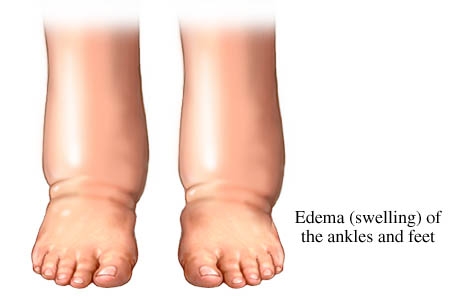
Edema (or dropsy) is fluid retention. It occurs when there is an excessive accumulation of fluid (mainly water) in the body's tissues, resulting in swelling in the affected areas. This swelling is usually directly tied to the venous system (veins) or the lymphatic system (tubes carrying lymph, a fluid that fights infection and clears waste).
Highlighted Clinical Facts About Edema
Where it strikes: Edema most commonly affects the hands, arms, feet, ankles, and legs (peripheral edema). However, it can also affect the brain (cerebral edema) and the eyes (macular edema).
The Fluid Balance Equation: Normally, body water is determined by the difference between fluid intake (eating, drinking, metabolic processes) and fluid output (urine, faeces, sweat, and invisible perspiration like breathing).
External Influences: Factors like high surrounding air temperatures and strenuous exercise directly affect how much water is taken in and discharged.
Edema is a Symptom, Not a Disease: It is an indicator of an underlying condition. For example, it can signal kidney disease, heart failure, or lymphoedema (a chronic swelling where lymph fluid fails to drain from tissues).
Lifestyle Triggers: Pregnancy and a high dietary salt intake are common lifestyle factors that induce edematous swelling.
Pitting vs. Non-Pitting: Clinically, edema is often classified as "pitting" (where pressing a finger into the swelling leaves an indentation) or "non-pitting" (often associated with lymphatic issues or thyroid conditions).
Mechanism: Edema happens when microscopic blood vessels (capillaries) leak fluid into surrounding tissues due to increased hydrostatic pressure or decreased oncotic pressure (often from low protein/albumin levels).
Homeopathic Medicines for Edema
Below is a detailed guide to homeopathic remedies for dropsical conditions, structured for quick reference.
The "Dropsy Triad" Comparison
A quick reference for three major dropsy remedies based on distinguishing features:
Feature | Apocynum cannabinum | Arsenicum album | Apis mellifica |
|---|---|---|---|
Thirst | Unquenchable thirst. | Intolerable thirst; drinks little but often. | Thirstless (absence of thirst). |
Location of Swelling | Bloating is on the side on which the patient lies. | Bloating primarily in the extremities. | Bloating prominently under the eyes. |
Detailed Materia Medica for Edema
Aceticum acidum
Clinical Profile: Stands midway between Arsenicum and Apis in dropsies.
Key Differentiators: Characterized by profound thirst and a heavy predominance of gastric symptoms (e.g., water-brash). The face and limbs take on a waxy appearance.
Apis mellifica
Appearance: Skin is waxy, white, and almost transparent like alabaster (especially with ovarian dropsy).
Urine: Scanty, milky, or albuminous with a dark sediment resembling coffee grounds.
Pains: Characteristic burning, stinging pains like bee stings in the face, throat, urethra, ovaries, piles, and tumors. Great soreness to touch on the stomach pit, ribs, and abdomen.
Mental/Nervous Symptoms: Patient is busy, restless, awkward (breaking things). Children may lie in a torpor with delirium, sudden shrill cries, squinting, grinding teeth, or boring the head into the pillow. One side may twitch while the other is paralyzed.
Specifics: Edema without thirst. Enlargement of the right ovary with pectoral pain and cough. Redness/swelling of eyes, lips, tongue, throat, and testicles.
Apocynum cannabinum
Clinical Profile: Used as a diuretic in hydrocephalus and abdominal dropsies. Especially indicated for dropsy dependent on liver affections (idiopathic and secondary).
Gastric/Bowel: Copious yellow or brownish diarrhea expelled with great force. Weak, "all-gone" feeling in the abdomen. Irritable stomach; drinking causes distress despite immense thirst. Oppression about the epigastrium and chest.
Arsenicum album
Clinical Profile: Useful in all forms of dropsy, especially heart disease due to cardiac hypertrophy.
Key Symptoms: Transparent, waxy skin. Intolerable, unquenchable burning thirst (drinks often, but little at a time; water disagrees).
Aggravations: Spells of suffocation and suffering are worse at night (after midnight). Oppression of breathing from walking fast or ascending heights.
Mental State: Dread of death when alone or going to bed; great restlessness and utter prostration. Intolerable anguish.
Skin/Discharges: Burning pains relieved by heat. Bran-like, scaly eruptions that itch and burn (burning increases with scratching, followed by bleeding). Black, thin, watery stools.
Etiology: Ailments from eating fruit/ice cream, or poisoning from morbid animal matter (inoculation, inhalation, or swallowing).
Aurum muriaticum
Indications: Edema associated with albuminuria, intermittent fever, or diseases of the liver and spleen.
Bryonia alba followed by Sulphur
Indications: Specifically noted for edema of the legs during pregnancy.
Cactus grandiflorus
Indications: Edema of the left hand, foot, and leg.
Key Sensation: A feeling of constriction in the heart, as if an iron band prevented its normal movement.
China officinalis (Cinchona)
Clinical Profile: Edema accompanied by debility and anemia, particularly after loss of blood and other fluids (nursing, salivation, hemorrhoids, night sweats, seminal emissions).
Gastric: Uncomfortable abdominal distension (feels packed full) not relieved by eructations. Diarrhea with undigested stools passing involuntarily after eating fruit. Black, watery stools with no pain.
Specifics: Intense throbbing headache after hemorrhage. Periodical facial neuralgia (infra-orbital/maxillary branches) where skin is sensitive to touch. Cough with granular expectoration (day/evening). Dark clotted hemorrhage from nose/other parts with ringing in ears.
Digitalis purpurea
Clinical Profile: Dropsies stemming from cardiac affections or post-scarlatinal nephritis.
Key Symptoms: Sudden sensation as if the heart stood still, accompanied by great anxiety. Extremely slow or feeble pulse.
Respiratory/Urinary: Constant desire to take a deep breath; irregular, difficult respiration with deep sighs. Urine is scanty, dark, and hot. Infiltration (swelling) of the scrotum and penis.
Kali hydroiodicum
Indications: Edema of the lungs with frothy expectoration (often seen in Bright's disease). Associated with consumption (tuberculosis/wasting).
Lachesis muta
Appearance: Skin covering the edematous parts is dark and bluish-black. Urine is dark and contains albumen.
Throat/Neck: Sensation of a swelling in the throat (as if two large lumps came together on empty swallowing, but better swallowing food). Left-sided tonsillitis. Neck is highly sensitive to touch; sudden spasms from neck to larynx interrupt breathing at night.
General/Female: Symptoms aggravated after sleep and during the climacteric period (hot flashes). Trembling tongue that catches behind teeth. Uterus cannot bear contact of bedclothes (causes uneasiness, though not tender). Pains relieved by menstrual flow. Aching in shin bones. Exhaustion upon rising.
Lycopodium clavatum
Clinical Profile: Dropsies of the lower half of the body (often from liver disease). Legs swell and are covered with ulcers oozing serum. The upper body is emaciated while the lower body is enormously swollen.
Gastric/Abdominal: Hungry but soon satisfied; a small quantity fills them up. Excessive distension and rumbling, relieved by passing flatus (eructations do not relieve). Desire for acids and fish.
Urinary/Respiratory: Severe backache relieved by passing urine; urine contains red, sandy sediment. Fan-like motion of the nostrils (alae nasi) in respiratory diseases.
Aggravations/Specifics: Symptoms aggressively worse from 4 to 8 p.m. One foot hot, the other cold. Blue margins around eyes. Jerking limbs. Edema following alcoholism, venesection, or intermittent fever. Fetid, crusty skin eruptions worse from warmth.
Phosphorus
Clinical Profile: Pale, anemic appearance with a bloated face (especially around the eyes). Edema with diarrhea in nephritis and anemia.
Gastric/Bowel: As soon as water becomes warm in the stomach, it is thrown up. Chronic painless diarrhea of undigested food (thirst at night). Constipation with slender, long, dry, tough, hard feces (like a dog's).
Respiratory: Can only lie on the right side. Pain in the chest with coughing (relieved by external pressure). Dry tickling cough in the evening with tightness, causing the whole body to tremble. Cough worse changing from warm to cold air.
Specifics: Small wounds bleed much. Symptoms aggravated before midnight and during a thunderstorm. Pulsations and burning in the brain.
Rhus toxicodendron
Indications: Localized edema of the penis, vulva, and tissues about the mouth.
Scilla maritima (Squilla)
Indications: Acute dropsical swellings accompanied by a suppression of urine.
Terebinthina
Indications: Edema originating from kidney congestion/affections.
Key Symptoms: Nephritis with burning, drawing pains in the kidney region. Heaviness, pressure, and strangury (painful, frequent urination). Urine is scanty and bloody, accompanied by profound prostration.
Thyroidinum
Indications: Edema of the limbs and face that occurs without any apparent cause.
Vesicaria communis
Indications: Edema due to complete failure of the kidney, where the kidneys stop secreting urine entirely. Also indicated for polycystic kidney disease (PKD/PCKD).
Don't self-treat a serious condition
Conditions like this deserve a doctor's eye. Start an online consultation and get a treatment plan suited to you.
Start Consultation