Rumex Crispus: Remedy Profile & Clinical Indications
Rumex Crispus is a key homeopathic remedy for dry, violent coughs triggered by throat tickling and cold air inhalation, marked by extreme sensitivity to open air and severe morning diarrhea.
Preparation & Source
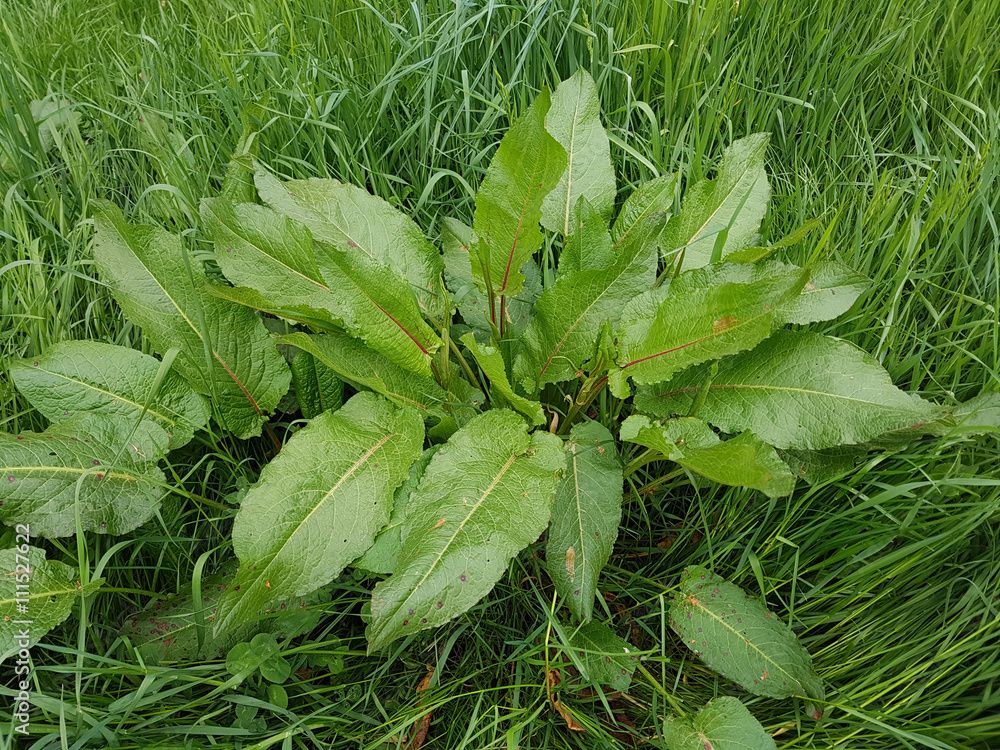
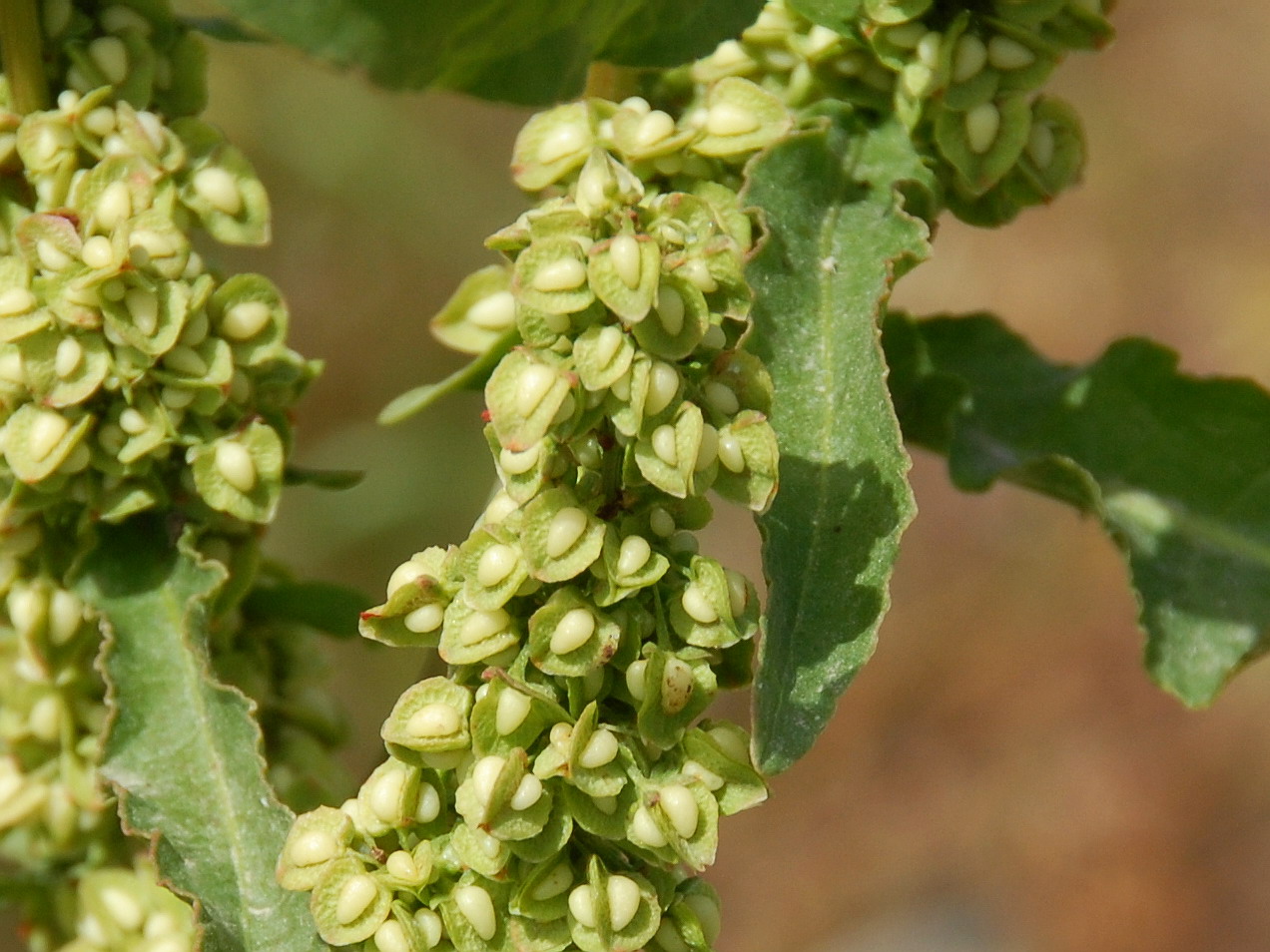
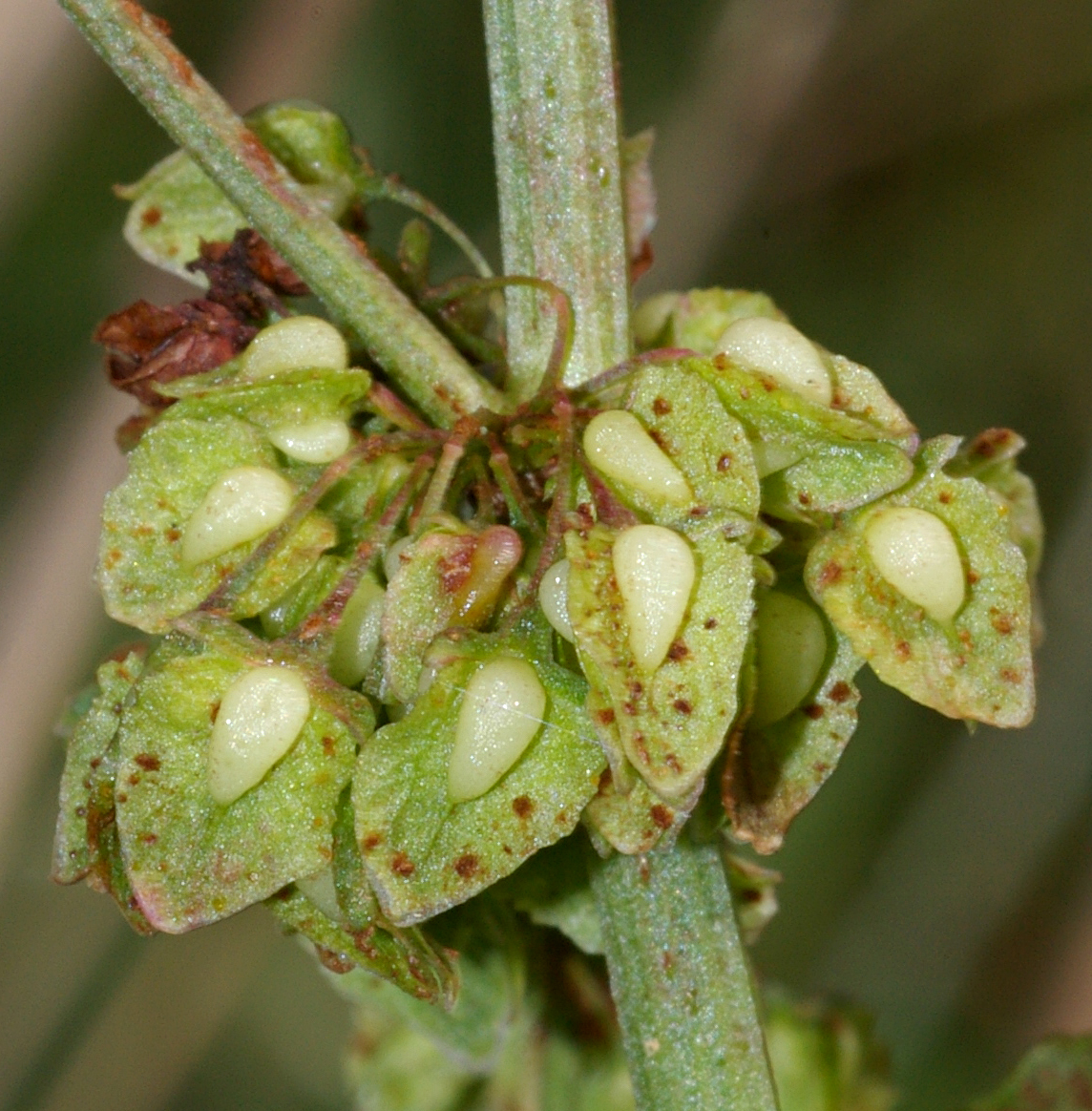
Source: Yellow Dock.
Preparation: Tincture prepared from the fresh root, gathered after the fruit is ripe but before the first frost.
Historical Use: Traditionally used in domestic practice as a blood cleanser to treat eruptions and boils.
Constitution & General Characteristics
Sensitivities: Extreme nervous sensitivity to cold, open air, and weather changes (similar to Nux Vomica or Rhus Tox). Constantly taking cold, shivering near the fire, needing extra clothing, and wanting the head covered.
Lack of Fever: Even in violent catarrhal states and coryza, there is a distinct lack of general febrile symptoms (such as high fever, thirst, or generalized body aches seen in Aconite, Bryonia, or Rhus Tox). The condition remains localized.
Relationship: It is an antipsoric remedy (though not as deep-acting as Sulphur). Calcarea Phosphorica follows it well.
Key Mental & Emotional Symptoms
Low-spirited, sad, and melancholic state.
Aversion to work.
Irritable mental excitability.
Respiratory System & Cough
1. Cough Characteristics
Trigger: Teasing, persistent, dry, irritating paroxysmal cough caused by tickling in the supra-sternal fossa (throat pit).
Cough Timing: Worse in the evening, night, and specifically at 11:00 PM (whether the patient is awake or asleep).
Aggravations: Inhaling cold air, stepping into open air, or transitioning from cold air to a warm room. Pressure on the throat pit, talking, walking, motion, and irregular breathing also trigger violent paroxysms.
Protective Behavior: The patient covers their head with bedclothes to breathe warm air, fighting off the cough as long as possible due to the resulting burning and rawness.
Consequences: Violent coughing paroxysms cause involuntary passage of urine and loose stools (especially during morning diarrhea).
2. Mucous Discharges & Expectoration
Respiratory Flow: Copious mucous discharge throughout the entire respiratory tract (nose, eyes, chest, trachea).
Progression:
Begins as thin, watery, frothy expectoration coming up by the mouthful.
Progresses to thick, yellow, white, tough, stringy, gelatinous, or gluey mucus.
Exhaustion: The patient becomes completely exhausted trying to cough up or blow out this tenacious, ropy mucus.
3. Larynx, Trachea & Throat
Rawness & Burning: Extreme rawness, burning, and smarting in the larynx and trachea. Sensations feel as though the air comes directly under the clavicle.
Sensitiveness: Inability to endure any pressure on the throat pit or to breathe deeply, hurriedly, or irregularly. Must sit still without motion.
Hoarseness: Chronic hoarseness where speech is impeded because the vocal cords are covered with tough, gluey mucus. Continual scraping of the larynx is required.
Throat Sensation: Sensation of a lump in the throat that descends upon swallowing but immediately returns.
Digestive System & Stomach
Stomach Pains: Aching pain in the pit of the stomach that gradually grows severe; sharp stitching pains extending from the stomach into the chest.
Sensations: A feeling of pressure like a lump in the pit of the stomach rising under the sternum. Tight, suffocative, heavy ache extending through to the back; clothing feels too tight; weak feeling in the epigastrium.
Flatulence: Very flatulent with abdominal pains.
Modalities:
Worse ($<$): Motion, walking, talking, irregular breathing, eating, and inhaling cold air.
Better ($>$): Belching, passing flatus, lying perfectly quiet, and warm food/drinks.
Rectum & Stools
Morning Diarrhea: Sudden, urgent morning diarrhea that drives the patient out of bed (similar to Sulphur).
Stool Character: Painless, profuse, offensive, brown or black, thin, or watery; preceded by abdominal pain.
Associated Symptoms: Accompanied by catarrhal state and cough from throat-pit tickling; violent coughing causes involuntary evacuation of loose stool.
Joints & Rheumatic Complaints
Rheumatic complaints are aggravated by cold, weather changes, bathing, and getting chilled afterwards (similar to Calcarea Phosphorica).
Every cold or weather change affects the joints.
Modalities (Aggravations & Ameliorations)
Worse ($<$):
Cold air, open air, and changes of weather.
Inhaling cold air, stepping into cold air, or going from cold into a warm room.
Evening, night, and specifically at 11:00 PM.
Motion, walking, and talking.
Irregular, deep, or hurried breathing.
Pressure on the throat pit.
Bathing and getting chilled.
Better ($>$):
Breathing warm air (covering the head).
Lying perfectly quiet.
Belching and passing flatus.
Warm food and drinks.
Comparative Remedy Analysis
Symptom / Feature | Rumex Crispus | Differentiating / Related Remedies |
11 PM Cough | Coughs at 11 PM whether awake or asleep. | Lachesis (cough occurs at 11 PM during early sleep; kept awake = no cough). |
Vocal Cord Hoarseness | Vocal cords covered with tough, gluey mucus; constant scraping needed. | Phosphorus (aphonia relieved by hemming up mucus); Causticum (hoarseness from vocal cord weakness). |
Morning Diarrhea | Driven out of bed in the morning, extremely sensitive to cold air. | Sulphur (driven out of bed, but craves cool air). |
Motion Aggravation | Aggravated by motion and talking, severely aggravated by cold air. | Bryonia (aggravated by motion/talking, but relieved by cool air). |
Sensitivity to Air | Extreme nervous sensitivity to open/cold air; must cover head. | Nux Vomica, Rhus Tox. |
Lump in Throat | Sensation of a lump that descends on swallowing and returns. | Lachesis. |
Management of Advanced Phthisis (Consumption) & Terminal Palliation
In the final stages of phthisis, Rumex works alongside remedies like Pulsatilla, Senega, Arsenic, and Nux Vomica to palliate symptoms. As disease progression causes severe dyspnea, blue face, cold sweat, and heart failure, distinct remedies offer palliative support:
Arnica: Relieves sore, bruised, aching sensations all over the body; addresses cough, gagging, retching, and aids sleep.
Pyrogen: Relieves distressing cough and bone aches.
Tarantula Cubensis: Provides true euthanasia and comfort in terminal dyspnea and cardiac failure—alleviating distress without the stupefying effects of Morphine.