Actaea Spicata: The Ultimate Homeopathic Remedy for Wrist Rheumatism & Small Joint Pain
Discover the profound healing properties of Actaea Spicata. Learn how this highly effective homeopathic remedy targets small joint gout, severe wrist pain, and associated gastrointestinal issues.
Don't self-treat a serious condition
Conditions like this deserve a doctor's eye. Start an online consultation and get a treatment plan suited to you.
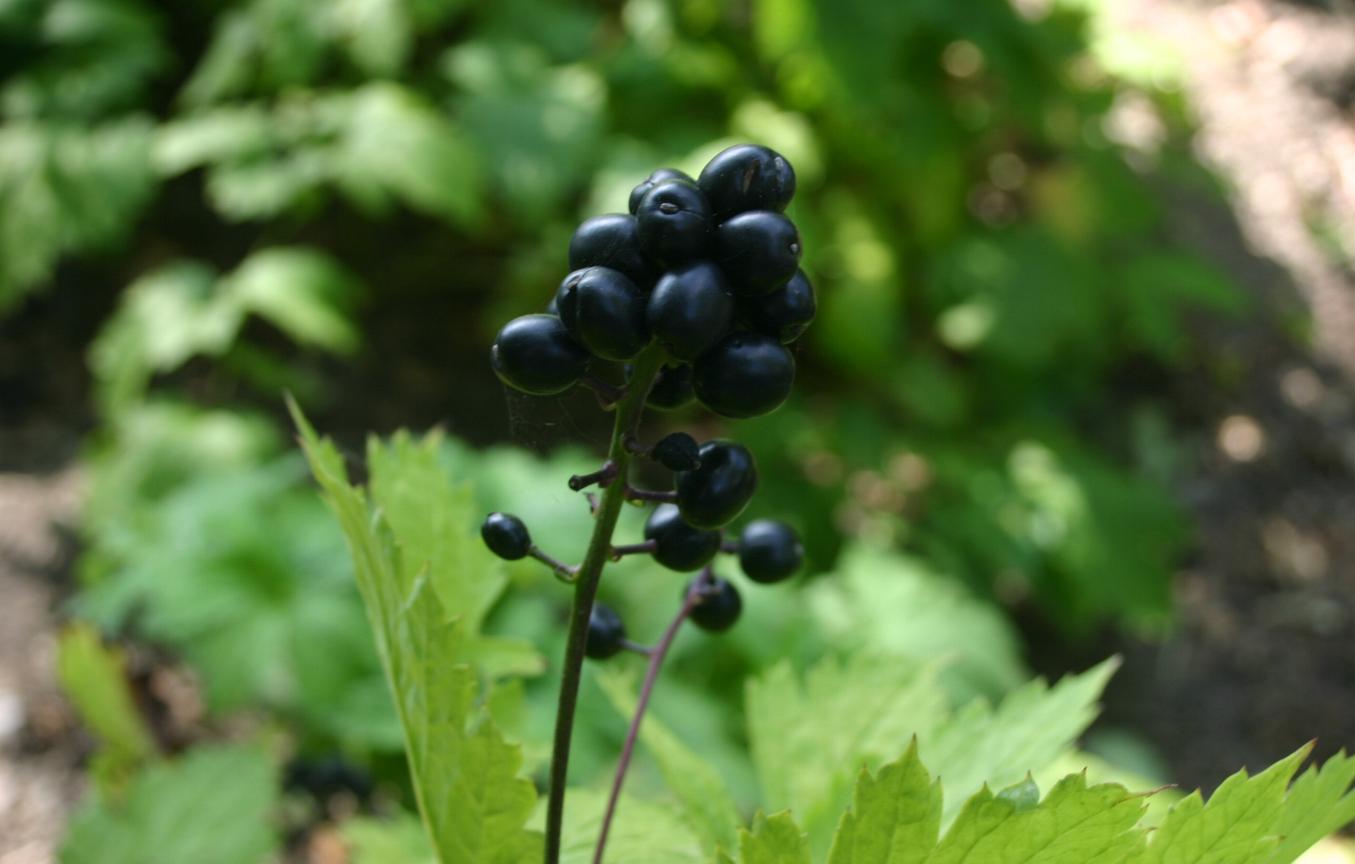
Start ConsultationActaea spicata is an extremely poisonous plant, though it is frequently grown as an ornamental plant in gardens. In its natural setting, the Actaea spicata berries are the most poisonous part of the plant for humans. These berries contain potent cardiogenic toxins which can have an immediate sedative effect on human cardiac muscle tissue. Because of this rapid physiological impact, ingestion can lead to cardiac arrest and death. Interestingly, these same toxic berries are harmless to birds, who act as the primary seed dispersers of the Actaea spicata.
Commonly known as Baneberry or Herb Christopher, this plant belongs to the Ranunculaceae (buttercup) family. The plant's severe toxicity is driven by the glucoside ranunculin, which upon digestion breaks down into protoanemonin—a blistering compound that causes severe mucosal and gastrointestinal irritation.
The Rheumatic Core and Joint Affections
In clinical practice, subacute rheumatic gout of the small joints (such as the ankle, toe-joints, and especially the joints of the hands) has been repeatedly relieved by Actaea spicata. It affects more prominently the small joints, much like the remedy Sticta, and is profoundly indicated for wrists. Actaea spicata is especially suited to men, whereas its relative, Actaea racemosa (Cimicifuga), is more frequently suited to women.
Alongside the typical pain and swelling, patients needing this remedy often describe a distinct, intense tingling sensation accompanying the tearing pains in their affected joints.
A highly distinctive feature of this remedy is that the joints swell after slight fatigue. For instance, swelling of the joints from slight fatigue—such as after simply walking—is a very characteristic hallmark of this medicine. The symptomatology heavily emphasizes wrist-rheumatism, where the right arm and right wrist are specially affected. A patient will often present with a right wrist that pains intolerably; it becomes swollen and red, where even the lightest touch is intolerable. In this state, motion becomes impossible, and pressure on the palm is intolerable. The patient may also complain of pain as from a paralytic weakness of the hands, or lameness of the right arm. It is likewise highly effective for rheumatism of the fingers, comparing closely with the remedy Caulophyllum. The joint pains themselves are described as violent tearing and drawing.
Gastrointestinal and Hepatic Symptoms
A fascinating and defining concomitant symptom is that these joint complaints are heavily associated with a sour stomach. The gastrointestinal distress is marked by a tearing, darting pain in the epigastric region with vomiting. There is a profound shuddering after drinking. Historically and clinically, it has been noted as a useful remedy in the treatment of cancer of the stomach.
Moving to the hepatic system, there is distinct pain and tenderness in the liver region, and it is a known therapeutic agent for hepatitis.
Patients may also experience a sudden, overwhelming lassitude and physical exhaustion immediately after eating or even after simply talking.
In the mouth, one will observe increased salivation accompanied by a fetid odour from the mouth.
Head, Mind, and Sensory Organs
The neurological and head symptoms of Actaea spicata are varied and peculiar. The patient may have warm sweat on the head, or small pimples on the scalp. The head symptoms generally return periodically; they are worse (<) at night, worse from walking, and often appear after a fever. There is a distinct pressure in the forehead after having been in the sun. Furthermore, there is dizziness, where the forehead feels empty when stooping. Visually, objects seem coloured blue.
Mentally, these patients are often extremely fearful, startle easily, and suffer from a rushing ebullition of blood to the head when anxious. They may also suffer from a localized pain in the left frontal eminence that feels exactly as if the bone were being crushed.
In the ears, there is a twitching pain when blowing the nose or sneezing. The face is not spared; there are pains like rheumatism in the face, typically running from a decayed tooth to the temples. This specific neuralgia is worse (<) from the slightest touch or movement of the muscles, making it a valuable remedy for toothache. Interestingly, the cheek the patient lies on sweats, and the submaxillary glands hurt when chewing.
Respiratory, Renal, and Female Symptoms
Actaea spicata covers a broad range of systemic affections. In the respiratory sphere, the throat is sore when speaking, and notably sore when breathing cold air. There is difficult inspiration, characterized by stitches in the epigastrium during deep breathing, and the remedy is highly useful in pleurisy.
In the urinary tract, there is a throbbing in the region of the kidneys, the urine deposits a white sediment, and it is indicated for urinary calculi.
Cardiovascular spasms and systemic pulsations may also occur over the entire body, but they are most intensely felt around the liver and renal regions.
For female patients, it is indicated when menses are suppressed by fright, or suppressed by cold.
Key Modalities and Triggers
Understanding the etiology and aggravating factors—the modalities—of this remedy is crucial for its application. The symptoms of Actaea spicata are broadly aggravated:
< From motion
< From change of temperature
< From cold air
< By touch or movement
The remedy is profoundly linked to the effects of exertion of the mind, as well as fright mental anxiety. In fact, fright and fatigue may give rise to symptoms needing Actaea spicata.
To summarize its broad clinical utility, Actaea spicata is a heavily relied-upon remedy useful in: cancer of stomach, effects of fright, hepatitis, pleurisy, rheumatism, and toothache.
Don't self-treat a serious condition
Conditions like this deserve a doctor's eye. Start an online consultation and get a treatment plan suited to you.
Start Consultation