Healing with the Wind Flower: A Complete Guide to Pulsatilla Nigricans
Discover the complete homeopathic profile of Pulsatilla Nigricans (Wind flower). Learn about its core characteristics, physical symptoms, and key uses for colds, digestion, and women's health.
Don't self-treat a serious condition
Conditions like this deserve a doctor's eye. Start an online consultation and get a treatment plan suited to you.
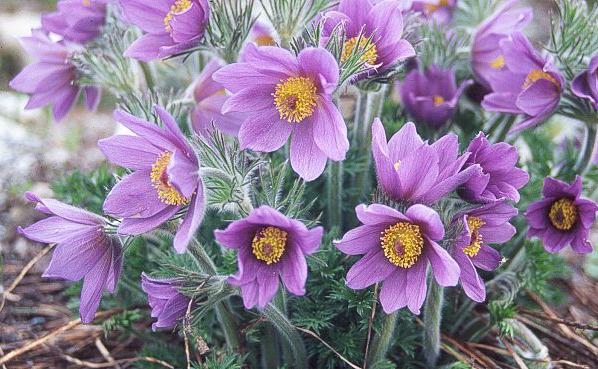
Start ConsultationPulsatilla Nigricans, commonly known as the Wind flower or Meadow Anemone, is a prominent remedy in homeopathy. The plant belongs to the Ranunculaceae (buttercup) family. In its raw, fresh form, the plant is highly toxic due to a compound called protoanemonin, which causes severe irritation. However, homeopathic preparations are diluted to such an extreme degree which avoids danger of any toxic effect.
The original symptom profiles (provings) for Pulsatilla can be found in Materia Medica Pura by Samuel Hahnemann (the German physician who founded homeopathy in 1796), as well as in Dunham's Materia Medica.
It is considered a great "polychrest" a homeopathic term for a remedy that acts upon numerous organs and has a wide variety of systemic uses. Its characteristics are so clearly marked that homeopathic practitioners use it across many forms of disease.
Core Characteristics & Modalities
Target Areas: Acts prominently on all mucous membranes (producing catarrhal/mucous conditions), synovial membranes (producing arthritic and rheumatic conditions), the venous circulation, and the female reproductive system.
The "Too Late" Principle: Everything is delayed. Coryza (head cold) in late stages, indigestion occurring two hours after eating, and menses that are never on time.
Discharges: All bodily discharges are characteristically bland (non-irritating) and yellow or yellowish-green.
Temperature & Thirst: Patients experience paleness of the face and chilliness, even when they feel a sensation of heat. They are notably thirstless.
Aggravations (Worse from): Symptoms worsen in the evening, after eating, and during rest.
Ameliorations (Better from): Relief is found through motion and in cool, open air. Reasoning: The sluggish venous circulation is relieved by exercise and cold, which contracts blood vessels and speeds up blood flow.
Mental & Emotional Profile
Disposition: Mild, gentle, yielding, and highly tearful.
Volatility: Highly changeable and fickle. The mood shifts rapidly from mild and tearful to irritable, peevish, and fitful.
Reaction to Comfort: The Pulsatilla patient actively seeks consolation.
Comparison: Natrum muriaticum shares a similar mild, tearful disposition, but unlike Pulsatilla, consolation makes the Natrum patient feel worse.
Organ Systems & Symptoms
Head, Eyes, and Ears
Head Colds (Catarrh): Used in the late, "ripe" stages of a cold when mucus is thick, muco-purulent, yellow, and noticeably bland.
Comparison: If these symptoms are accompanied by violent sneezing, the remedy Cyclamen is typically indicated.
Eyes: Yellowish-green, bland eye discharges (ophthalmias). It is used for recurring crops of styes linked to gastric issues, acne, or amenorrhœa (missed periods) in women.
Ears: Sharp, tearing, pulsating earaches that worsen at night, especially in children.
Comparison: If the child is nervous, cannot tolerate pain, and has one red cheek and one pale cheek, Chamomilla is preferred.
Digestive System
Mouth: Tongue is coated thickly white; mouth is dry, yet there is no thirst.
Stomach: Weak digestion with fullness after eating and a sensation as if the stomach is ulcerated.
Timing & Triggers: Distress typically hits about two hours after eating. Accompanied by shifting flatulence. Symptoms are heavily aggravated by eating cakes, fat, rich, and greasy foods.
Taste: A unique symptom is that all food tastes as if it is saturated with salt.
Diarrhea: Yellow, watery, greenish, and changeable. Worsens after midnight and after eating late suppers.
Gastric Comparisons: Ipecac, Thuja, and Carbo vegetabilis also feature indigestion from fatty foods. Abies nigra has a unique symptom of feeling a lump in the stomach like a hard-boiled egg.
Circulatory System (Veins)
Varicose Veins: Treats blue, distended veins accompanied by soreness and stinging pains.
Comparison: Hamamelis is generally considered a better remedy specifically for venous soreness.
Systemic Detox: Acts as an antidote to the abuse of iron and quinine. It is often the first remedy prescribed to patients transitioning from allopathic (conventional) medicine who feel worn out, relaxed, and suffer from uterine/menstrual derangements.
Comparison: Pulsatilla holds the same relationship to iron that Nux vomica holds to drastic purgative medicines.
Reproductive Systems
Female:
Menstruation: Flow is changeable in both color and timing. Usually late, scanty, or suppressed entirely (especially after getting the feet wet). Accompanied by colic and chilliness.
Leucorrhœa (Vaginal Discharge): Thick, yellowish-green, and bland.
Pregnancy & Labor: Used for threatened abortion, changeable labor pains, faintness, and chest oppression. Treats retained placenta caused by weak uterine contractions.
Fetal Mal-position: Homeopaths claim Pulsatilla corrects irregular fetal positions by stimulating the growth of the uterine walls and preventing irregular contractions.
Milk Fever: Treats swollen, painful breasts with scanty or suppressed milk flow, accompanied by a gloomy, tearful mood.
Male:
Used for orchitis and epididymitis (testicular swelling/inflammation) where the testicle is retracted, enlarged, sensitive, and dark red, with pain radiating along the spermatic cord.
Especially indicated if the condition results from a suppressed gonorrhœal discharge.
Comparison: Rhododendron, Clematis, Iodine, and Spongia should be compared for swelled testicles.
Fever, Rheumatism, and Neuralgia
Fever: Chilliness is the dominant symptom. Fever occurs without thirst, featuring oppression and sleepiness. Worsens around 2:00 or 3:00 PM.
Rheumatism & Neuralgia: Pains are changeable and tend to shift rapidly from joint to joint (or nerve to nerve). They are aggravated by warmth and relieved by cold.
Comparison: Bryonia, Colchicum, Kali sulphuricum, and Sulphur also feature wandering, shifting rheumatic pains.
Don't self-treat a serious condition
Conditions like this deserve a doctor's eye. Start an online consultation and get a treatment plan suited to you.
Start Consultation