Lycopodium Clavatum: Remedy Profile & Clinical Indications
Club moss. One of the most frequently discussed remedies in homeopathic literature, associated with digestion and confidence.
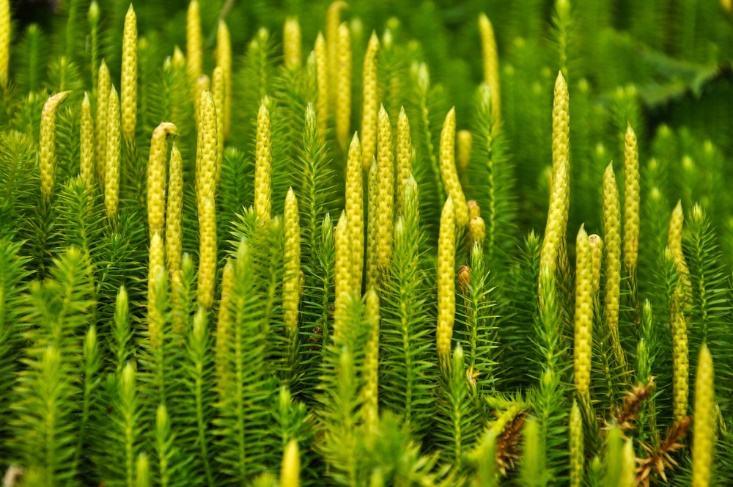
Preparation & Drug Profile
Source: Lycopodium clavatum (Club Moss or ground pine).
Preparation: Prepared by thoroughly triturating the spores for hours—first dry, then with enough alcohol to form a thick paste. Additional alcohol is added to achieve a ratio of 1 part Lycopodium to 5 parts alcohol by weight. The mixture stands in a tightly stoppered bottle in a dark, cool place for 8 days, followed by decanting, straining, and filtering.
Tincture Properties: Straw-colored tincture with a drug power of $1/10$.
Constitution & Temperament
Physical Build: Adapted to emaciated, malnourished individuals rather than well-nourished ones. Children look wrinkled and prematurely old; elderly individuals often present with mental torpor.
Onset: Suited for ailments that develop gradually with weakened functional power, digestive failure, and significant liver dysfunction.
Key Characteristics & Modalities
Key Features:
Direction: Symptoms typically move from right to left (e.g., right-sided sore throat progressing to the left).
Discharges: All bodily discharges are noticeably offensive.
Urinary Sediment: Characterized by heavy, red sand-like sediment in the urine.
Modality Aggravations ($<$):
From 4 to 8 PM (time-specific aggravation).
From cold temperatures/exposure.
Lying on the back (respiratory issues).
Going downhill (cough).
Eating solid food or unfulfilled hunger.
Modality Ameliorations ($>$):
In the open air.
Mental & Emotional Symptoms
Cognitive State: Mental tiredness, weakness, and relaxation. Marked mental torpor, confusion of ideas, and forgetfulness of words/syllables, especially in the elderly.
Confidence & Fears: Lack of self-confidence and mental steadiness; easily frightened and startled. Afraid to be left alone.
Disposition: Can alternate between imperious/domineering behavior and sadness/melancholia. May be hypochondriacal, misanthropic, and irritable. Makes frequent mistakes in speech.
Physical Symptoms by Body System
1. Digestive System & Stomach
Appetite & Satiety: Vigorous appetite or ravenous hunger (which causes headaches if unfulfilled), but a few mouthfuls cause immediate full distention/satiety, preventing further eating.
Flatulence & Gas: Severe intestinal gas accumulation that presses upward, causing breathing difficulty. Loud rumbling/gurgling in the abdomen. Belching gas does not relieve symptoms.
Taste & Eructations: Sour taste, sour belching, and sour vomiting. Strong desire for sweets.
Stomach Condition: Pit of stomach is swollen, tender, and intolerant to tight clothing. Acid dyspepsia, chronic gastritis with burning pain, waterbrash, and scirrhous indurations of the pyloric orifice with blood vomiting.
Liver: Chronic liver inflammation with enlargement, heaviness, pain, gallstone colic, abdominal dropsy, and brown/liver spots on the abdomen. Palliative in liver cirrhosis.
2. Rectum & Stools
Constipation: Obstinate constipation with ineffectual urging and a persistent feeling that stool remains behind due to constriction of the rectum/anus. Spasmodic anal constriction makes evacuation painful.
Hemorrhoids: Bleeding piles that become extremely painful while sitting. Rectal fistula.
3. Urinary System
Sediment & Odor: Urine is turbid, foul-smelling, and deposits red sand (lithic/uric acid diathesis).
Pediatric Dysuria: Children cry before passing water due to gravel/lithic acid; diapers stain yellow.
Pathologies: Right-sided renal colic, chronic cystitis with bad-smelling milky deposits, hematuria from gravel, urinary retention, chronic prostatitis, and chronic Bright’s disease with swollen extremities.
4. Respiratory System
Nasal Symptoms: Stuffed nose (unable to breathe day or night) with yellowish-green discharge. Distinct fan-like motion of the wings of the nose (alæ nasi) in respiratory conditions.
Throat: Swollen tonsils and tongue. Tonsillitis/diphtheria starting on the right side and moving to the left.
Cough & Lungs: Rattling cough, dyspnea, and mucus accumulation in the chest. Subacute pneumonia, hard dry cough day and night with emaciation. Pneumonia with one foot warm and one cold, thick yellow expectoration, worse 4–8 PM.
5. Male & Female Reproductive Systems
Male: Sexual impotence with cold, relaxed organs. Loss of sexual power and exhaustion, particularly after chronic gonorrhea or cystitis.
Female: Inflamed ovaries; chronic uterine inflammation with discharge of gas from the vagina (physometra); vaginal dryness, burning, or leucorrhea; varicose veins of pudenda; dysmenorrhea with bloating and constipation; suppression of menses; uterine fibroids and palliative support in uterine cancer.
6. Head, Eyes, Ears & Brain
Impending Brain Paralysis: Stupor, fishy/expressionless eyes, dropped lower jaw, snorting/rattling breath, intermittent pulse, and a swollen, dry tongue that cannot be protruded or rolls side to side.
Meningitis & Hydrocephalus: Tubercular meningitis (sleeping with half-open eyes and moaning) and chronic hydrocephalus with night screaming.
Eyes: Styes (hordeolum), catarrhal/purulent conjunctivitis, corneal inflammation, night blindness (hemeralopia), staved-off cataracts, and polypus in external canthus.
Ears: Chronic deafness (with/without otorrhea, especially post-scarlet fever), polypi, and eczema behind the external ear.
7. Back, Extremities & Skin
Back: Sensation of burning as of hot coals between the shoulder blades (scapulæ). Useful in lumbago.
Extremities: Chronic rheumatism (worse evening, warmth, and right side); chronic gout with chalky joint deposits; swollen, stiff hands and fingers.
Skin: Eczema, herpes, psoriasis, nævus, lupus, phagedenic ulcers, impetigo, carbuncles, intertrigo, varicose veins/ulcers with edema, and brown spots.
8. Fevers
Malarial & Typhoid: Chronic malarial fever with paroxysms recurring at 4:00 PM (chills starting in the back, thirst, red sand in urine, enlarged spleen, sour vomiting). Typhoid fever with abdominal distention, red sand in urine, and a dropped lower jaw.
Complete List of Clinical Indications
A–C: Abdomen (distended), Abortion, Albuminuria, Aneurism, Angina pectoris, Aphasia, Asthma, Axilla (offensive perspiration), Biliousness, Borborygmi, Bright's disease, Cancer, Cataract, Constipation, Consumption, Corns, Cough, Cramps, Cystitis.
D–G: Debility, Diphtheria, Distension, Dropsies, Dysentery, Dysmenorrhœa, Dyspepsia, Ear (eczema behind), Eczema, Ephelis, Epistaxis, Epithelioma, Excoriation, Eye (inflammation/polypus), Face eruption, Feet perspiring, Fibroma, Flatulence, Gall-stone colic, Glands swelling, Goître, Gout, Gravel.
H–M: Hæmaturia, Hæmorrhoids, Hair falling out, Hands chapped, Heartburn, Heart diseases, Hemiopia, Hernia, Hydropericardium, Hypochondriasis, Hysteria, Impotence, Influenza, Intermittents, Intertrigo, Irritation, Labour-pains abnormal, Lip cancer, Liver derangement/spots, Locomotor ataxy, Lungs affections, Menstruation disorders, Metrorrhagia.
N–P: Nævus, Nymphomania, Otorrhœa, Panaritium, Paralysis, Paralysis agitans, Peritonitis, Phlegmasia dolens, Physometra, Plica polonica, Pneumonia, Polypus (eye/ear/nose), Proctalgia, Prostatitis, Pylorus affections.
Q–Y: Quinsy, Renal colic, Rheumatism, Rhagades, Sciatica, Sleep abnormal, Speech disorders, Strains, Sunstroke, Taste abnormal, Throat (sore), Tongue (coated/cramp), Typhoid fever, Urine abnormal, Varicosis, Warts, Water-brash, Whooping-cough, Worms, Yawning.