Hydrastis Canadensis (Golden Seal)
An overview of Hydrastis Canadensis (Golden Seal), covering its homeopathic preparation, vascular and mucous membrane effects, digestive and constitutional symptoms, and key remedy comparisons.
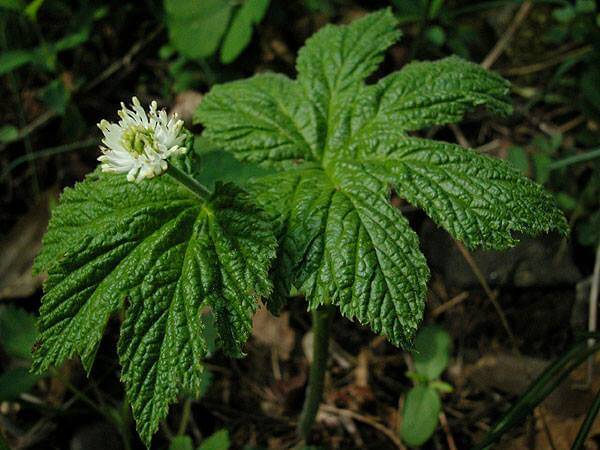
Overview & Preparation
Common Name: Golden Seal.
Habitat: Native to the United States, growing from New York to Minnesota and southward.
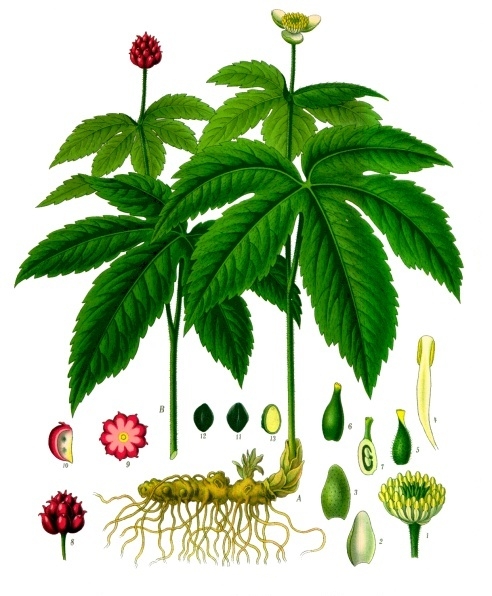
Preparation: The mother tincture is prepared from the fresh root, harvested either as the plant buds into blossom or during the fall.
Primary Actions & Patient Profile
Vascular System: Contracts blood vessels—especially in the pelvic organs—producing a relatively anemic condition. Useful for pelvic conditions accompanied by hemorrhage.
Mucous Surfaces: Relaxes mucous membranes, causing them to produce thick, yellow, ropy, and tenacious secretions along with superficial erosions.
General Constitution (Diathesis):
Well-suited for elderly, easily exhausted, or cachectic individuals suffering from deep debility, emaciation, prostration, marasmus, and weak digestion.
Physical appearance includes a worn, jaded look, a sallow complexion, hide-bound skin, and a melancholy disposition.
Mentally characterized by the exhaustion of intellectual functions.
Muscular & General State: Produces a painful feeling of tiredness (even upon rising in the morning), general weariness, and excessive weakness. Muscular pains occur in the lumbar region, sacral region, and lower extremities, accompanied by an inclination to lie down, stretch, and yawn. (Historically used as a digestive "tonic," which aligns homeopathically with these symptoms).
Head, Ears, & Respiratory Symptoms
Head & Ears: Heavy, dull feeling in the head; roaring in the ears, catarrhal deafness, and muco-purulent ear discharge.
Nasal Symptoms & Coryza:
Early Stage: Watery, excoriating coryza with burning and rawness in the nose, a sensation as if a hair were inside, and a discharge that becomes more profuse outdoors.
Later Stage: Nasal catarrh with thick, yellow, tenacious discharge, air feeling cold in the nose, and a constant dropping of mucus from the posterior nares into the throat.
Adenoids: Adenoid vegetations that are constantly bathed in a thick, tenacious secretion.
Mouth & Gastrointestinal Symptoms
Mouth: Stomatitis in nursing women or weakly children, particularly following the use of Mercurius or chlorate of potash. Tongue is large, flabby, and slimy.
Stomach:
Sensations: A faintness, "sinking," or empty, "gone" sensation at the pit of the stomach (epigastrium), similar to the feeling following prolonged diarrhea.
Digestive Disturbances: Atonic dyspepsia, putrid or sour eructations, and nausea.
Severe Conditions: Useful in gastric ulceration, cancer, and chronic gastric catarrh, where it often relieves pain and improves overall health.
Liver & Abdomen: Symptoms of gastro-duodenal catarrh, including liver torpidity, yellow skin, tenderness in the hepatic region, and light-colored stools.
Constipation: Indicated for constipation following the abuse of purgatives, especially when accompanied by the sinking sensation in the epigastrium.
Genitourinary Symptoms
Female System: Leucorrhea is thick, yellow, ropy, and tenacious, accompanied by extreme weakness and constipation.
Male System: Second stage of gonorrhea with a thick, yellow discharge.
Key Comparisons
vs. Kali bichromicum: Kali bichromicum tends to produce deeper ulcerations and even more stringy/tenacious mucus than Hydrastis, which causes more superficial ulcerative processes.
vs. Nux vomica: Both remedies are useful for constipation resulting from the abuse of purgatives.