Defeat the Heat: A Complete Homeopathic Summer Survival Guide
Learn how to protect your body from extreme temperatures, dehydration, and heat exhaustion using smart hydration, sun safety, and proven homeopathic remedies.
Don't self-treat a serious condition
Conditions like this deserve a doctor's eye. Start an online consultation and get a treatment plan suited to you.
Start ConsultationFor the adverse effects of cold or iced drinks when your body is heated, mix 1 drop of ‘Bellis Perennis-Q’ per liter into the water bottles kept in your fridge. This homeopathic remedy specifically addresses the internal thermal shock that occurs when ice-cold fluids hit a hot, overheated digestive tract. (Bellis Perennis in a 30C potency is also available and highly effective).
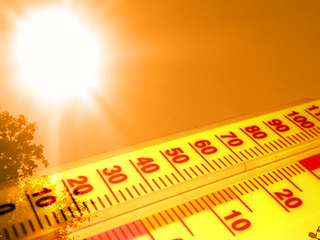
Hot weather is a natural boon for our agricultural workers and farmers who spend long periods in the open sun, but it can be a severe shock for sensitive individuals accustomed to air-conditioned homes. Here is a brief look at how our physical bodies respond to rising temperatures:
At 20°C (68°F): We feel entirely comfortable. The heart rate remains normal and resting.
At 25°C (77°F): Light sweating begins as the body initiates its natural cooling mechanism.
At 30°C (86°F): Discomfort sets in. Our blood rushes to cool at the skin's surface. Concentration becomes affected, and sweating becomes moderate.
At 40°C (104°F): Heat exhaustion begins. You will experience heavy sweating, a rapid heart rate, severe tiredness, and nausea.
At 45°C (113°F): Heat stroke becomes a critical emergency. Sweating entirely stops, leaving the skin hot and dry. The core temperature rises dramatically, causing fainting. There is a severe danger of organ damage and death. At these extreme core temperatures, cellular proteins actually begin to denature and break down, requiring immediate medical intervention.
The Threat of Dehydration
One of the most significant dangers of a heat wave is the rapid risk of dehydration. This involves the loss of water from the body alongside vital blood salts like potassium and sodium. These specific electrolytes are crucial because they maintain the electrical gradients in our cells, allowing the brain, heart, and nervous system to communicate. When depleted, it leads to confusion, lethargy, and problems with your breathing and heart rate.
Normally, the sweat we produce keeps us cool when it evaporates from the surface of our skin. When it is extremely hot, or when we over-exert ourselves, this biological system can fail. Body temperature climbs to dangerous levels, leading to heat exhaustion or heat stroke, which causes dizziness, headaches, and muscle cramps. It is highly dangerous because the onset of these symptoms is incredibly rapid. As a homeopathic addition, keeping Glonoinum 30C on hand is highly recommended for the sudden, throbbing, congestive headaches brought on by prolonged direct sun exposure.
Smart Hydration and Diet
In high temperatures, the body loses more fluid than normal, so it is vital to increase our supplies.
Drink more water, but sip it slowly rather than gulping it down.
Eat hydrating, juicy fruits like watermelon and muskmelon.
On an average day, a person weighing 58kg (128lb) should drink eight average-sized glasses of water. As a general rule, for every 2lbs (0.9kg) of body weight, you need one fluid ounce (28.4ml) of water.
In very hot weather, this consumption should obviously be increased. However, drinking excessive amounts of plain water too rapidly can bring its own problems, such as water intoxication. You might think an ice-cold beer is exactly what you need, but alcohol actively dehydrates the body; consumption should be kept to a minimum. If you struggle to drink lots of plain water, non-carbonated drinks like fresh fruit juice are a reasonable alternative.
Avoid hot, heavy foods. While salt pills or powders are available to replace minerals lost in sweat, most standard diets contain more than enough salt, making supplementation unnecessary.
Sun Protection and Safe Exercise
The absolute best place to be on a blistering day is in the shade. The sun is at its most dangerous peak between 11:00 AM and 3:00 PM. If you must go out, ensure it is for short periods and always carry an umbrella. A sunburn is a clear sign of damage to the skin; it is painful and significantly increases the risk of skin cancer. Ultraviolet (UV) radiation penetrates the skin and damages cellular DNA, which can trigger long-term mutations. If you start to feel ill or queasy, get out of direct sunlight immediately.
Do not exercise vigorously during the hottest times of the day. Adapt to the pace of life in the sun and choose to jog or exercise closer to sunrise or sunset. If you feel breathless or your heart is pounding forcefully, stop what you are doing and cool your body down—for example, by taking a cool shower. Always rest if you feel faint or dizzy.
Clothing and Environment
Wear light, loose-fitting clothing made of natural fibers, such as cotton (KHADI clothes are excellent), so sweat can evaporate easily. Dark, heavy clothes absorb heat. However, remember that some very thin materials do not provide a sufficient barrier to the sun's dangerous UV rays. It is highly advised to wear a wide-brimmed sunhat, preferably with air vents, and sunglasses to protect your eyes.
Keep your home well-ventilated and cool. This is particularly important at night when the body naturally needs to cool down for sleep. Avoid places where shelter is minimal and ventilation is poor. Parked cars are a particular hazard and act as heat traps. Try to stay in air-conditioned environments, but if you must travel in a stuffy space—like on the Tube—ensure you carry a bottle of water. For long journeys, proactively plan breaks to go above ground for fresh air.
Vulnerable Populations
Those most at risk from the sun include children under four, people over 65 (whose bodies adapt much more slowly to temperature changes), overweight people (whose bodies tend to retain more heat), and those who are chronically ill. Furthermore, common medications like daily diuretics, blood pressure drugs, and antihistamines can artificially impair the body's natural ability to sweat, making these individuals exceptionally susceptible to heat.
Babies are particularly vulnerable. Because their sweat glands remain highly undeveloped until they are roughly two years old, their thermoregulation is incredibly inefficient. It is vital not to wrap them in blankets or heavy clothing when it is hot, and equally critical to ensure they are never exposed to direct, unprotected sunlight.
Don't self-treat a serious condition
Conditions like this deserve a doctor's eye. Start an online consultation and get a treatment plan suited to you.
Start Consultation