Ditch the Supplements: 6 Real-Food Rules for Peak Health
Stop relying on energy bars and fortified drinks. Discover the six essential rules for getting all your daily nutrients from real, whole foods to boost your health and athletic performance.
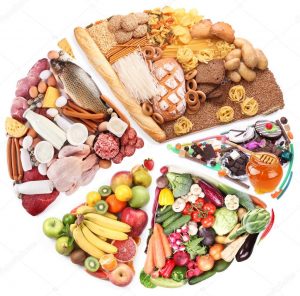
Where's My Food Plan?
Many health-conscious people rely heavily on fortified packaged foods, energy bars, and nutrient-enhanced drinks. While these provide calories, they are missing a crucial element of nutrition: synergy.
In "real" foods—like fruits, vegetables, whole grains, and lean meats—vitamins and minerals work together with thousands of other compounds (such as starches, fibers, pigments, and unique fats). This complete package is what truly promotes peak health and athletic performance. Instead of trying to get your 50+ daily required nutrients from supplements, you can easily get them from real food by following these six daily rules.
The 6 Rules for Peak Nutrition
1. Eat seeds or foods made from seeds
The Foods: Whole grains, beans, and tree nuts.
The Science: Because seeds contain everything needed to grow a new plant, they are packed with protein, essential fats, and antioxidant-rich bioactive compounds (like phenolic compounds and ferulic acid).
The Benefits: People who eat a diet rich in plant seeds tend to have a healthier body weight, lower cholesterol levels, and a reduced risk of developing type 2 diabetes and certain cancers.
2. Eat five different colored fruits and vegetables daily
The Foods: Produce spanning yellow, orange, red, green, blue, and purple.
The Science: There are over 400 unique pigments in produce (e.g., anthocyanins in red pomegranates, lycopene in deep red tomatoes, and beta-carotene in orange sweet potatoes). These pigments act as antioxidants to reduce inflammation from heavy exercise or disease.
The Benefits: Low in calories, these foods help maintain weight while lowering the risk of heart disease, cancer, and Alzheimer's, and improving memory.
Important Note: Pigments must interact with other compounds in whole foods to be effective. Taking an isolated supplement (like a beta-carotene pill) doesn't offer the same benefits and may actually increase your risk for some diseases.
3. Eat plant foods with their skins intact
The Foods: Apples, black beans, red potatoes, zucchini, grapes, and onions.
The Science: Plant skins protect against UV light and parasites, making them rich in phytochemicals (like resveratrol in grapes and quercetin in onions), resistant starches, and soluble/insoluble fibers.
The Benefits: Boosts immunity and lowers the risk of heart disease, colon cancer, and prostate cancer. High-fiber diets (over 35g daily) promote healthy gut bacteria, relieve constipation, decrease hemorrhoid risk, and curb appetite. Remarkably, fiber from skins can block the body from absorbing 3% to 4% of total calories consumed, leading to lower body fat and smaller waists.
4. Consume animal milk and dairy products
The Foods: Cow, goat, or reindeer milk, as well as cheese, yogurt, and kefir.
The Science: Animal dairy is rich in calcium, muscle-repairing whey protein, and stearic acid (which improves blood cholesterol).
The Benefits: Builds strong bones, lowers blood pressure and heart disease risk, and helps dieters lose more fat.
Fermented Bonus: Cultured dairy (yogurt, kefir) contains live bacteria and conjugated linoleic acid (CLA). This combination strengthens the immune system, alleviates constipation and inflammatory bowel disease symptoms, reduces yeast infections in women, and is often better tolerated by those with lactose intolerance.
5. Eat foods from cold water
The Foods: Fish and other seafood, particularly from cold waters.
The Science: Seafood offers high-quality protein (runners need about 50% more protein than non-runners) and is rich in zinc, copper, chromium, and anti-inflammatory omega-3 fats.
The Benefits: Counters exercise-induced muscle soreness and alleviates conditions like psoriasis. Eating fish a few times a week drastically lowers the risk of sudden heart attacks, stroke, vascular disease, and depression. Conversely, low omega-3 intake is linked to modern ailments like Alzheimer's and childhood behavioral conditions like ADHD.
6. Choose free-range or grass-fed meat, poultry, and eggs
The Foods: Lean meats, skinless poultry, and eggs from animals that graze on open pastures.
The Science: Compared to stockyard-raised, corn-fed animals, grass-fed animals have healthier diets and higher activity levels, resulting in meat with more omega-3s and less artery-clogging saturated fat.
The Benefits: Provides highly absorbable iron and zinc to support healthy red blood cells and a strong immune system. When balanced with fruits, vegetables, and whole grains, lean meats help lower blood pressure, cholesterol, and heart disease risk.
Which of these six food rules do you think would be the easiest for you to focus on this week?