Homeopathic Relief for Toothache: Allium Cepa vs. Antimonium Crudum Clinical Profiles
Discover the distinct clinical profiles of the homeopathic remedies Allium Cepa and Antimonium Crudum. Learn how to differentiate their systemic symptoms and choose the right cure for severe toothaches based on temperature modalities.
Don't self-treat a serious condition
Conditions like this deserve a doctor's eye. Start an online consultation and get a treatment plan suited to you.
Start ConsultationOnions, one of the oldest vegetables known to humanity, are found in a vast array of recipes and culinary preparations worldwide. However, beyond the kitchen, the common red onion forms the basis of a profound therapeutic agent. When we examine the clinical picture of Allium Cepa alongside the mineral remedy Antimonium Crudum, we uncover highly specific symptom profiles that address everything from severe catarrh and digestive complaints to excruciating toothaches.
Allium Cepa is the Latin botanical name for the red onion. The homeopathic preparation is uniquely suited to cure the exact symptoms a person experiences when chopping a strong onion—specifically, profuse watering of the eyes and nose.
The Allium Cepa Profile
Mental and Emotional State The psychological state of the Allium Cepa patient is often marked by deep melancholy and confusion. They may experience a specific fear of becoming distracted, sometimes triggered by the intense pain of suppurations (infections) on their fingers.
Head and Scalp Patients frequently report dullness, pressure, fullness, and heaviness in the head. This is most pronounced in the occiput (the back of the head). These headaches worsen in the evenings and upon returning to a warm room, but find distinct relief in the open air. Other head sensations include a dull frontal headache, pains that shoot through the head like an electric shock, and a crawling sensation (formication) in the skull bones. Curiously, patients with a bald scalp may experience a prickling sweat immediately after every meal.
Eyes, Ears, and Face The eyes become dim and highly sensitive to light. The patient may suffer from thread-like neuralgic pains extending over the right eye toward the root of the nose, or from the cheek toward the eye. The eyes itch, become red, and are sensitive to touch (especially the left eye). A prominent symptom is smarting in the eyes, feeling as though they are exposed to smoke.
A vital differentiating hallmark of Allium Cepa is that its profuse nasal discharge is highly acrid (burning the upper lip and nose), while its profuse watery eye discharge (lachrymation) is entirely bland and non-irritating. This is the exact opposite of the remedy Euphrasia, where the tears burn but the nasal discharge is bland.
Patients may also experience shooting pains in the right lachrymal duct and smarting on the inner surface of the upper eyelids. In the ears, there are noticeable noises, dullness of hearing, and jerking earaches that extend from the throat toward the Eustachian tube. The face runs hot, often accompanied by throbbing, drawing, and pressing pains with swelling of the cheek, and thread-like pains around the face, temples, and ears.
Respiratory and Nasal Symptoms (The Catarrhal State) The respiratory symptoms are legendary. Patients experience epistaxis (nosebleeds) and constant sneezing with profuse, acrid coryza, especially when entering a warm room. It is a premier remedy for spring coryza and annual August morning coryza, where the patient suffers violent sneezing and becomes remarkably sensitive to the odor of flowers and the skin of peaches (a sensitivity that can last two to three weeks).
The fluent coryza is accompanied by headache, lachrymation, cough, thirst, loss of appetite, trembling hands, and a feverish state. These symptoms worsen in the evening and indoors, and improve in the open air. In severe cases, an ichor (foul fluid) oozes from the nose, and nasal polyps may form.
The throat feels dry, from the mouth and root of the tongue to the soft palate. Patients report a bad odor from the mouth, a sensation of a ball in the throat, tough mucus in the fauces, and a numb feeling in the posterior pharyngeal wall. There is a severe, frequently repeated laryngeal cough that causes a tearing pain, compelling the patient to grasp their larynx in agony. Hacking coughs are triggered by inhaling cold air, and breathing can become oppressed due to pressure in the middle of the chest. Stitches and burning in the middle of the left chest occur when taking a deep breath.
Gastrointestinal and Urinary Tract Appetite fluctuates between canine hunger and total loss of appetite. Patients suffer sour eructations, belching with abdominal rumbling, and morning nausea. It is specifically indicated for the bad effects of eating spoiled fish.
Pain and pressure manifest in the stomach's pyloric region, the liver (with creeping chills along the back), and the spleen (a contracting sensation with stitches while lying). Colic centers around the navel—worsening when sitting and improving when walking. Severe pain can strike the left hypogastrium with an urge to urinate, alongside annoying groin pains and pressure in the left inguinal ring. The patient passes very offensive flatus and may have diarrhea after midnight or toward morning, or constipation following intermittent fevers treated by quinine. Rhagades (fissures) may appear at the anus.
The bladder and kidney regions are highly sensitive; a child needing this remedy will scream if a hand is placed over the bladder. Urine is copious, red, and accompanied by urging, weakness, albuminuria, and burning in the urethra.
Sexual Organs, Extremities, and Sleep There is an increased sexual desire. Post-coitus, pain is felt in the bladder, prostate gland, and spermatic cord, with burning in the glans. In women, there is uterine pain, and it is a noted remedy for childbed complications, including panaritia (run-around nail infections) on several fingers with red streaks shooting up the arm, causing despairing pain.
Joints feel lame and sore. Pain strikes under the right shoulder-blade (after sitting or when lying in bed), the small of the back, above the knees, and in the great toes. Hands tremble, and a needle prick under the thumb nail can lead to suppuration with a red streak traveling to the elbow. Hips feel weak, nettle-rash appears on the thighs, and feet develop raw spots from friction.
Sleep is restless, marked by yawning, stomach cramps, and morning drowsiness. Patients dream of being near the water, high waves, and sea storms.
Generalities and Modalities of Allium Cepa The pulse may be frequent and full, or slow and hard. Fever presents as coldness alternating with heat during catarrh. Sweats occur easily and copiously. Neuralgic pains famously present like a "long thread." Pathologically, it treats inflammation and increased mucous membrane secretion, gangraena senilis (old age gangrene), measles, and stiffness in the back after injuries.
Directionality: Symptoms generally move from left to right; the remedy cures symptoms that proceed from right to left.
Worse (<): Warm rooms, evenings, cold/damp weather, north-east winds, getting feet wet.
Better (>): Open air.
Relationships: Arnica antidotes its toothache; Chamomilla antidotes bellyache; Veratrum antidotes colic with despondency. Phosphorus is complementary. Calcarea and Silicea follow it well in nasal polyps. (Note: Allium sativum, a related but distinct remedy, is preferred for chronic cough with abundant mucus and herpetic diathesis).
The Allium Cepa Toothache When toothache strikes the Allium Cepa patient, it usually follows exposure to damp, cold weather. The pain is described as drawing, tearing, jerking, and twitching. It is frequently accompanied by severe coryza (runny nose). The toothache oddly improves when the nasal catarrh worsens, and exacerbates when the nasal discharge ceases.
Toothache Modalities: Worse in the warmth of a room. Better in the open air, and remarkably better from holding cold water in the mouth.
The Antimonium Crudum Profile in Dental Distress
While Allium Cepa is dominated by catarrhal symptoms, Antimonium Crudum presents a vastly different clinical picture, especially regarding its profound application in toothaches and dental decay.
Antimonium Crudum is chemically derived from the black sulfide of antimony. In systemic practice, this remedy is world-renowned for patients who present with a remarkably thick, milky-white coating on their tongue—a paramount guiding symptom for its selection.
Patients requiring this remedy typically suffer from severe gastric derangements caused by overloading the stomach. They often fall ill after consuming excessive amounts of sweets, pastries, acidic foods, or sour pickles.
Mentally, the Antimonium Crudum patient—especially a child—is intensely peevish, irritable, and cross. They will cry violently and cannot bear to be looked at or touched by anyone.
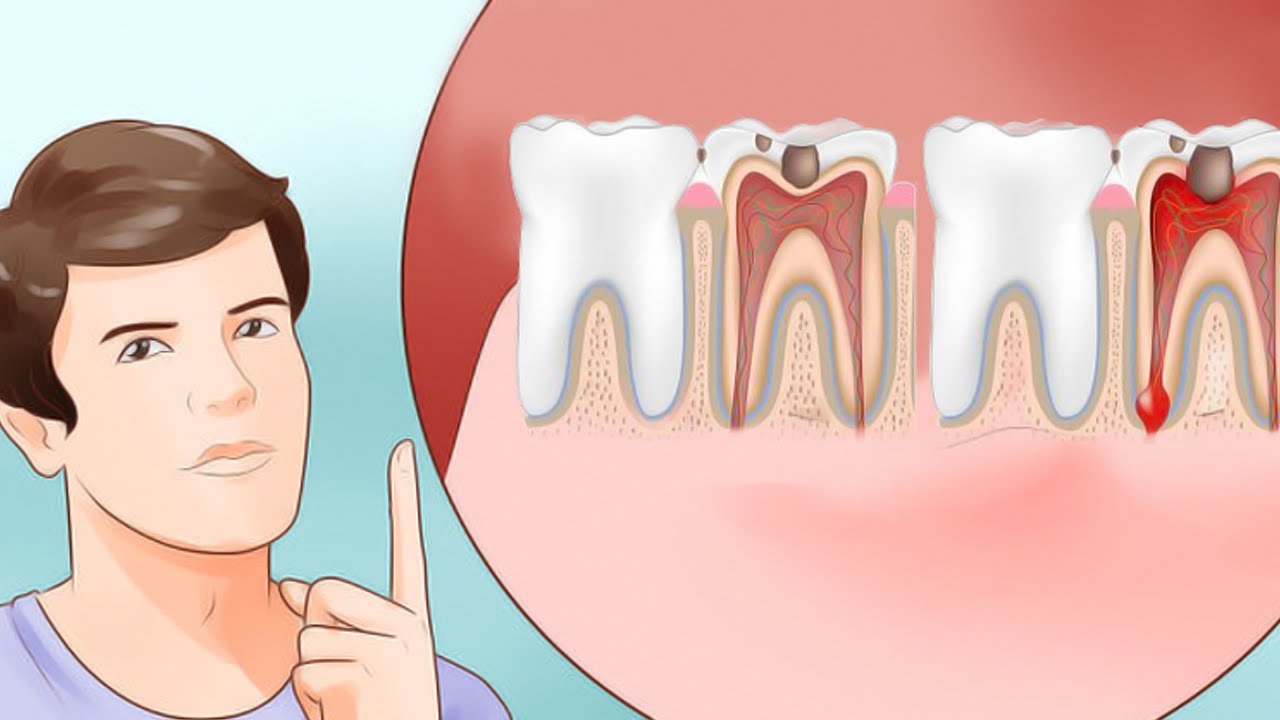
The Antimonium Crudum Toothache This remedy is highly specific for extreme pain in decayed teeth and the surrounding gums. The character of the pain is intense and varied: digging, drawing, tearing, jerking, twitching, and piercing. The pain frequently radiates and extends upwards into the head.
While the pain can persist during the day, it becomes significantly worse when the patient is in bed. It is highly indicated for children suffering from severe dental distress.
Toothache Modalities:
Worse (<): At night, during the summer season, in bed, from drawing air into the mouth, from cold in general, cold washing, eating, after eating, in a room, sitting, when going to sleep, touching the teeth, and in the open air.
Summary of Differentiation
When choosing between these two powerful remedies for a toothache, the modalities are the key. The Allium Cepa toothache thrives on cold—it is relieved by open air and by holding cold water in the mouth, and is aggravated by warm rooms. Conversely, the Antimonium Crudum toothache is highly sensitive to cold—it is aggravated by cold washing, drawing cold air into the mouth, and being in the open air, often localized specifically in clearly decayed teeth alongside profound irritability and digestive upset.
Don't self-treat a serious condition
Conditions like this deserve a doctor's eye. Start an online consultation and get a treatment plan suited to you.
Start Consultation