Understanding Caulophyllum: A Comprehensive Homeopathic Profile
Discover the comprehensive homeopathic profile of Caulophyllum (Blue Cohosh). Learn how this powerful remedy is used to support female reproductive health, ease menstrual difficulties, and relieve shifting rheumatic joint pains.
Don't self-treat a serious condition
Conditions like this deserve a doctor's eye. Start an online consultation and get a treatment plan suited to you.
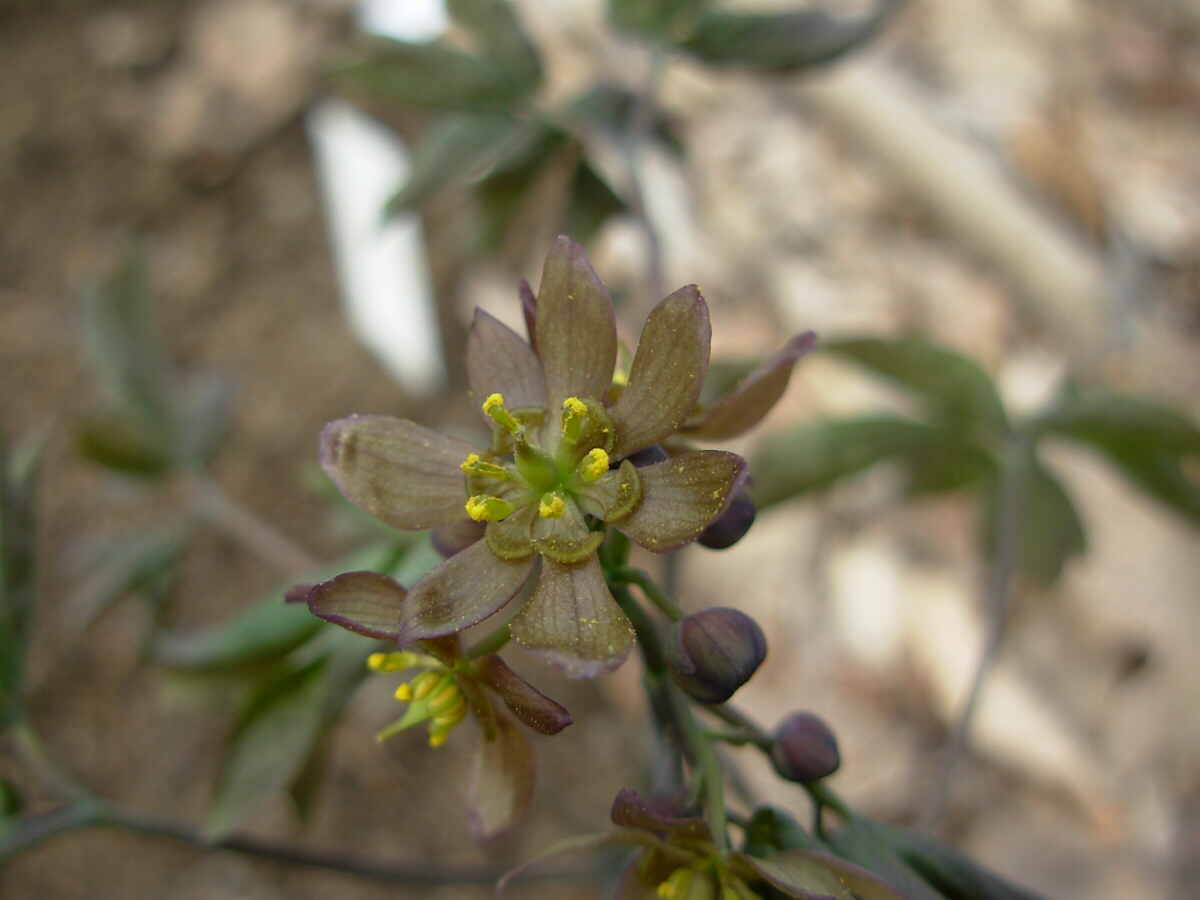
Start ConsultationProved and introduced into the homeopathic materia medica by Dr. Burt, Caulophyllum stands as a highly specialized and deeply acting remedy. Derived from the root of Caulophyllum thalictroides, commonly known as Blue Cohosh or Squaw Root, this plant was historically utilized by Native American women to facilitate childbirth and manage menstrual cramps, long before its homeopathic preparation was established.
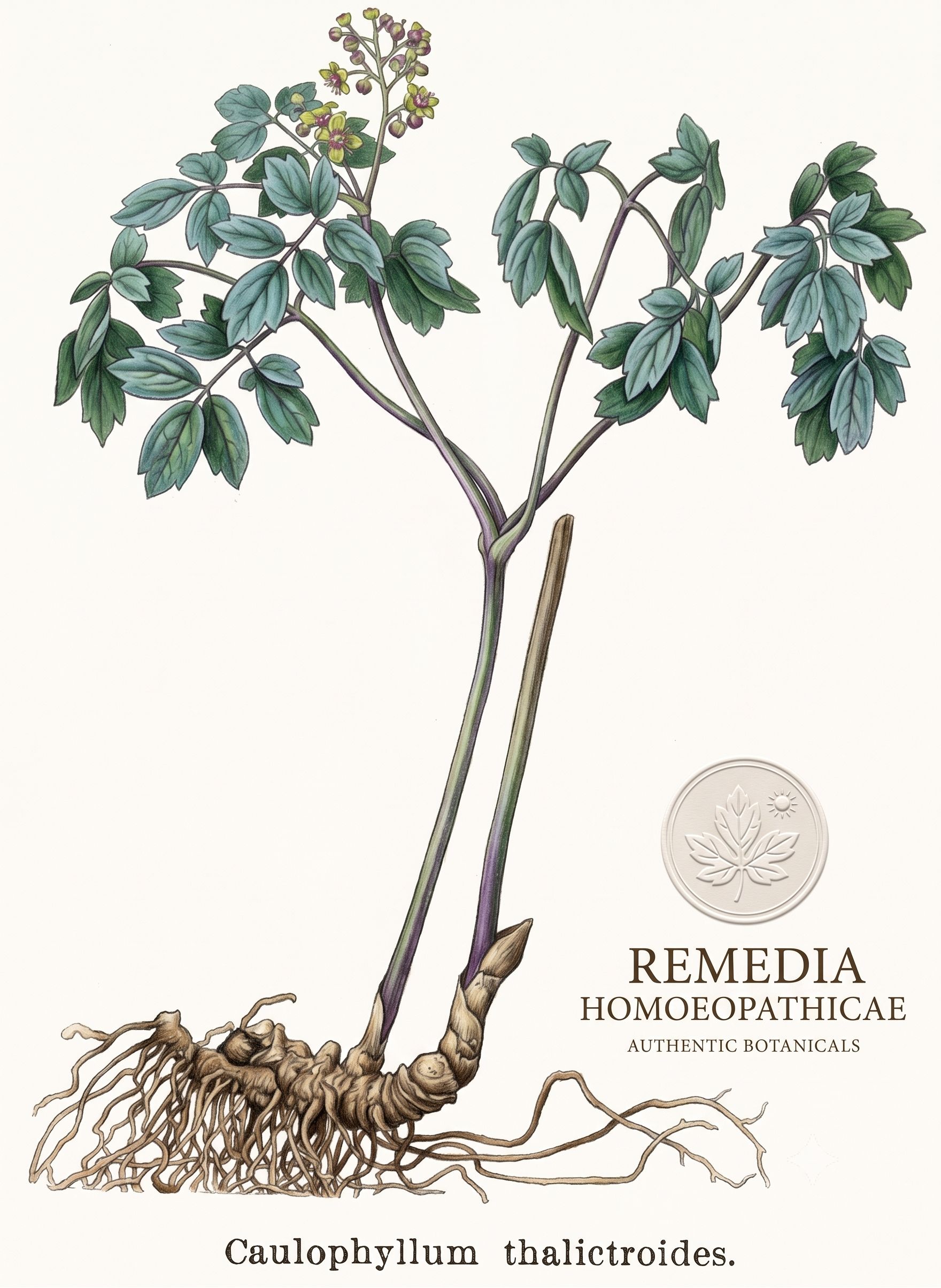
In homeopathic practice, this remedy is primarily known for its profound affinity for two distinct areas of the human body: the female generative organs and the small joints affected by rheumatic conditions. Its symptom picture is uniquely characterized by erratic, shifting pains and deep muscular weakness.
The Sphere of Female Reproductive Health
The most prominent action of Caulophyllum is on the muscular tissue of the uterus. Whether a woman is gravid (pregnant) or not, the remedy produces marked intermittent spasms and contractions. It is crucial to distinguish this from the remedy Secale, which produces continuous, unyielding contractions. There is no other drug in the homeopathic pharmacopeia that produces uterine spasms as markedly and distinctly as Caulophyllum, second only to Secale in its overall intensity on this organ.
Pregnancy, Labor, and Miscarriage During pregnancy and labor, the remedy is often indicated for threatened abortion or miscarriage, characterized by spasmodic, bearing-down sensations. The patient may experience severe, exhausting pain in the back and loins, yet upon examination, the actual uterine contractions are found to be dangerously feeble and ineffective.
It is a leading remedy for habitual abortion that stems specifically from uterine atony (a lack of muscle tone and strength in the uterine wall). Because of its ability to regulate and strengthen these weak, erratic spasms, Caulophyllum is frequently referred to by modern practitioners as "homeopathic oxytocin." It is particularly invaluable during labor when the cervix is rigid, tight, and fails to dilate despite the mother experiencing exhausting, radiating pains.
Menstrual Difficulties The pre-menstrual period for a Caulophyllum patient is often turbulent. Before the menses begin, she may suffer from intense pain in the small of the back, accompanied by a great aching and deep soreness in the lower limbs. Other systemic symptoms arise, including bad breath, a bitter taste in the mouth, episodes of vertigo, and marked chilliness.
When the flow finally appears, it is characteristically very scanty and the blood is very light in color. This period is often accompanied by intense nausea and the vomiting of yellow, bitter matter. The pelvic and abdominal pain can remain unremitting for several hours. A fascinating and highly specific keynote symptom of this remedy is that habitual cold feet will surprisingly become warm under the administration of Caulophyllum.
Pain often localizes specifically to the left side, presenting as severe left ovarian pain and left infra-mammary pain (pain situated just below the left breast). Furthermore, profound disorders of the uterus can reflexively impact the nervous system to the point of causing paraplegia (paralysis of the lower half of the body).
Leucorrhea and Associated Symptoms Caulophyllum is deeply indicated for challenging cases of leucorrhea (vaginal discharge). This discharge can be sharp, acrid, and profoundly weakening to the patient, or it may present as a profuse, bland mucus. It is uniquely indicated for leucorrhea occurring in little girls.
In adult women, this exhausting discharge is often accompanied by heavy, drooping eyelids, severe forcing-down pains in the pelvis, and even sterility. Another distinctive physical marker of this hormonal and uterine imbalance is the appearance of "moth spots" (chloasma or patchy brown pigmentation) on the forehead, which emerge in tandem with the leucorrhea.
Rheumatic States and Shifting Pains
Beyond the reproductive system, Caulophyllum is a premier remedy for rheumatic affections, specifically targeting the small joints and muscles.
The joint pains most commonly afflict the phalanges (the small bones of the fingers and toes), as well as the wrists and ankles. It is especially indicated when rheumatoid-type stiffness and aching occur concurrently with uterine or menstrual disorders, such as during menopause or after childbirth.
A hallmark of the Caulophyllum pain profile—whether in the uterus or the joints—is that the pains are intermittent, paroxysmal (occurring in sudden, severe attacks), and fly about erratically from place to place. These pains are generally aggravated and become much worse at night. Modality-wise, the patient usually feels worse in the open, cold air and finds significant relief from being in a warm room or by applying heat to the painful joints or abdomen.
The Nervous System and General Constitution
The physical suffering of the Caulophyllum patient takes a heavy toll on her nervous system. The remedy picture includes a state of great nervous excitement paired with a tremulous weakness that reverberates over the entire body. The patient may feel so weak, shaky, and exhausted that she can scarcely speak.
This leads to a state of being sleepless, restless, and highly strung—a condition that strongly recalls the physical and nervous effects of consuming too much coffee. Because of this profound similarity in action on the nervous system, coffee is strictly incompatible with Caulophyllum and acts as an antidote, meaning its consumption should be entirely avoided while undergoing treatment with this remedy.
In summary, Caulophyllum is an indispensable remedy for spasmodic, erratic, and exhausting conditions, serving as a restorative anchor for women suffering from profound uterine weakness, shifting rheumatic joint pains, and the tremulous nervous exhaustion that accompanies them.
Don't self-treat a serious condition
Conditions like this deserve a doctor's eye. Start an online consultation and get a treatment plan suited to you.
Start Consultation