Healing the Heart and Nerves: A Complete Guide to Adonis Vernalis & Cocculus Indicus
Discover the powerful homeopathic properties of Adonis Vernalis for strengthening the heart, and Cocculus Indicus for relieving motion sickness, anxiety, and nervous exhaustion.
Don't self-treat a serious condition
Conditions like this deserve a doctor's eye. Start an online consultation and get a treatment plan suited to you.
Start ConsultationAs an experienced homeopathic physician, I have organized the profiles for Adonis Vernalis and Cocculus Indicus to make their clinical indications, physical symptoms, and mental pictures much easier to read and apply in practice.
ADONIS VERNALIS
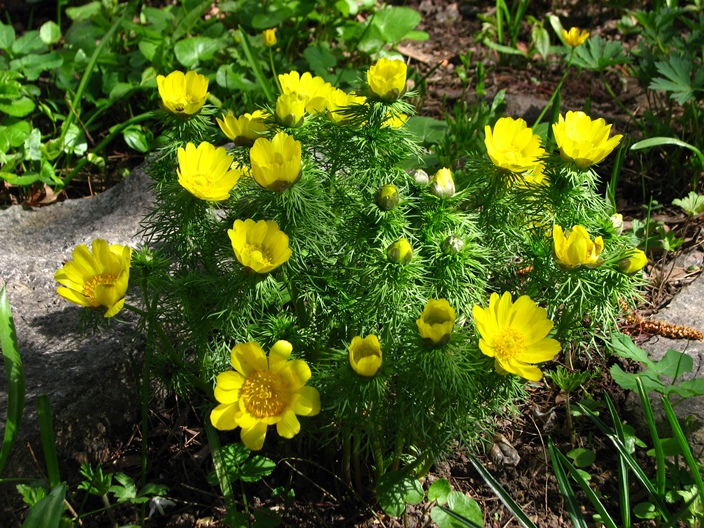
Common Name: Pheasant's Eye
Primary Sphere of Action: The cardiovascular system.
Often considered an excellent and safer alternative to Digitalis, as it strengthens the heart without the same risk of cumulative toxicity.
Cardiovascular Symptoms
Heart Regulation: Increases arterial tension and regulates heartbeats by lessening the pulse frequency while increasing the force of cardiac contractions.
Weakened Heart Action: Indicated for a rapid, feeble heart, especially following severe illnesses like rheumatism, influenza, or Bright's disease.
Structural Damage: Helpful in stages of fatty degeneration of the heart muscles, valvular disease, and mitral regurgitation.
Cardiac Asthma: Relieves breathlessness associated with weak heart function.
Fluid Retention & Urinary Symptoms
Dropsy (Edema): Treats severe fluid accumulation, including hydrothorax (fluid in the pleural cavity), ascites (fluid in the abdomen), and anasarca (widespread bodily swelling). This water retention is directly secondary to the heart's inability to pump effectively.
Urinary Profile: Urine is scanty and contains albumen and casts.
Nervous & Musculoskeletal Symptoms
Sleep: Restless sleep plagued by horrible dreams.
Head/Neck: Tinnitus (ringing in the ears). Aching and stiffness in the nape of the neck and the spine.
Dosage: 1 to 5 drops of the mother tincture (Q).
COCCULUS INDICUS
Common Name: Indian Cockle
Primary Sphere of Action: The central nervous system, particularly the brain and spinal cord, affecting motor nerves and equilibrium.
Patient Profile & Causes (Aetiology)
Constitution: Best suited for light-haired persons. Often corresponds to sensitive, romantic individuals and unmarried women.
The "Caregiver's" Remedy: Hysteria and nervous exhaustion arising from over-anxiety, prolonged night-watching, and the consequent loss of sleep. This is a premier remedy for nurses or family members who have completely exhausted themselves caring for a sick loved one.
Motion Sickness: Unrivaled for excessive nausea and illness caused by riding in a carriage, a swing, or a ship (sea-sickness).
Mental & Emotional Symptoms
Profound Anxiety: Carries a heavy, constant anxiety as if she had committed a great crime; startles very easily.
Extreme Sensitivity: A highly sensitive mood where everything worries her. Deeply affected by fear, anger, grief, and all mental disturbances.
Menstrual Delirium: Delirium at the onset of menses (first and second days) where she hallucinates seeing something alive, constantly rolling on the wall, floor, chairs, or directly on herself.
Physical Symptoms
Sensations of Emptiness: A distinct sensation of hollowness or emptiness in body cavities, especially the abdomen and the head.
Head: An unusual "opening and shutting" sensation, particularly localized in the occiput (back of the head). Severe vertigo accompanied by nausea, especially triggered by sitting up in bed or watching moving objects, is a key guiding symptom.
Throat & Respiratory: A choking constriction in the upper part of the throat that impedes breathing and provokes coughing.
Gastrointestinal: Enlargement of the liver specifically triggered after a bout of anger.
Female Reproductive: Extreme weakness during menstruation—so severe she can scarcely stand or talk. Piles (hemorrhoids) that appear specifically during menses. This profound, paralytic weakness often extends to the lower limbs and spine, making the patient feel as though their legs will give way.
Modalities (Aggravations & Ameliorations)
Aggravations (<): Symptoms are markedly worse during the menstrual period. Intolerance to the open air, regardless of whether it is cold or warm.
Extreme Touch & Jar Sensitivity: The patient is highly sensitive to noise and touch. The least jar (like a bumpy road while traveling) is absolutely unbearable. This pronounced sensitivity to touch indicates Cocculus in conditions like articular rheumatism, bone neuralgia, or painful ulcers.
Don't self-treat a serious condition
Conditions like this deserve a doctor's eye. Start an online consultation and get a treatment plan suited to you.
Start Consultation