Sensible Slimming: Understanding BMI and Principles of Weight Management
Learn how Body Mass Index (BMI) helps evaluate body fat and health risks. Discover how to calculate your BMI, understand its limitations, and apply universal, science-backed principles for safe and sustainable weight management.
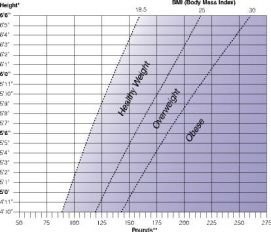
Obesity is determined by measuring body weight and body fat composition. While several methods exist to calculate body fat, the Body Mass Index (BMI) is one of the most effective and accessible screening tools available. Applicable to both adult men and women, BMI provides a straightforward way to estimate excess body fat and identify potential health risks associated with carrying surplus weight.
How BMI Is Calculated
BMI measures weight relative to height. It is calculated using the following formula:
BMI = (Height in Meters)² / Weight in Kilograms
Formula: 65 ÷ 1.70² = 22.5
BMI is a screening measure, not a diagnosis — it doesn't account for muscle mass, bone density, or body composition. Talk to your doctor about what a healthy weight looks like for you.
Note: For the most accurate calculation, weight and height should be measured without shoes and without heavy clothing.
BMI Ranges and Health Categories
Health guidelines classify BMI into five primary categories. As your BMI rises above 25, the statistical risk of developing chronic health conditions—such as cardiovascular disease, type 2 diabetes, and joint strain—increases proportionally.
Classification | BMI Range (kg/m2) | Status & Recommendation |
|---|---|---|
Underweight | Less than 18.5 | Below standard weight range |
Ideal / Normal | 18.5 – 24.9 | Healthy weight range |
Overweight | 25.0 – 29.9 | Elevated risk; monitor weight |
Obese | 30.0 – 39.9 | High risk; weight loss recommended |
Very Obese | 40.0 or greater | Critical risk; immediate weight loss advised |
To manually assess your category on a standard height-to-weight chart, locate your weight along the horizontal axis and follow it vertically until it intersects with your height line.
Understanding BMI Context and Limitations
While BMI is an excellent general benchmark, it is a marker of body mass rather than direct body composition. Understanding its nuances ensures a balanced perspective:
Muscle vs. Fat Density: Highly active individuals or athletes with significant muscle mass may record a high BMI despite having low body fat.
Age-Related Changes: Older adults may lose muscle mass over time, meaning a "normal" BMI could occasionally mask a higher ratio of body fat.
Distribution Matters: Where fat is stored—particularly visceral fat around the abdomen—carries higher health risks than peripheral fat. Pair BMI with waist circumference measurements for a more complete picture.
Universal Pillars for Sustainable Weight Loss
Regardless of the specific diet, workout plan, or health regime you follow, fundamental biological principles govern safe and long-term weight management:
Energy Balance: Weight loss requires an energy deficit over time. Focus on moderate, consistent reductions in daily energy intake rather than extreme caloric restriction, which can compromise metabolism and muscle tissue.
Nutrient Density over Deprivation: Prioritize high-volume, nutrient-dense foods—lean proteins, fibrous vegetables, intact whole grains, and healthy fats. High protein and fiber intake improve satiety and preserve lean muscle mass during weight loss.
Resistance and Aerobic Exercise: Combine resistance training (to maintain metabolic rate and lean mass) with regular cardiovascular movement (for heart health and overall daily expenditure).
Sleep and Recovery: Chronic sleep deprivation elevates cortisol and disrupts hunger-regulating hormones (ghrelin and leptin), driving cravings for high-calorie foods. Target 7–9 hours of quality sleep per night.
Hydration: Adequate water intake supports optimal metabolic function, aids digestion, and prevents false hunger cues caused by mild dehydration.
Consistency over Perfection: Sustainable slimming relies on gradual lifestyle adjustments that can be maintained permanently, rather than short-term, aggressive interventions.