Say Goodbye to Joint Pain: The Ultimate Diet & Lifestyle Guide for Rheumatic Diseases
Discover the essential diet and lifestyle changes needed to manage arthritis and rheumatic diseases naturally. Learn how simple dietary adjustments and movement can relieve joint pain, reduce inflammation, and improve your mobility.
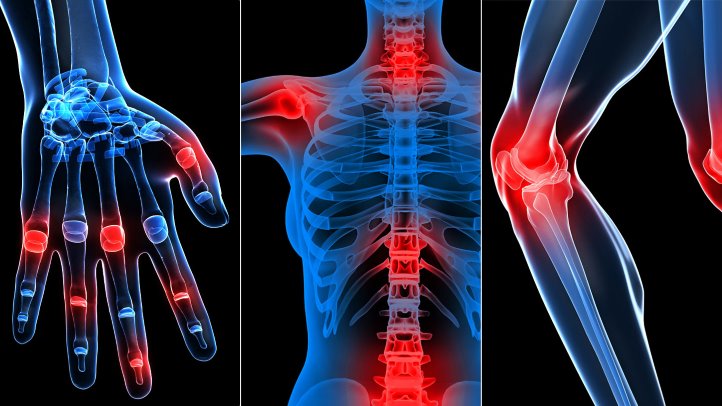
Don't self-treat a serious condition
Conditions like this deserve a doctor's eye. Start an online consultation and get a treatment plan suited to you.
Start ConsultationIn medical science, the terms "rheumatism" or "rheumatic disorder" are used non-specifically to refer to problems affecting the joints and connective tissues. The detailed study and therapeutic intervention of such disorders is termed as Rheumatology. While occasional joint stiffness is often dismissed as a minor nuisance, there are actually as many as 100 known types of arthritis, rheumatic diseases, and related conditions.
These conditions range from widespread ailments like Osteoarthritis, Rheumatoid Arthritis, and Gout, to systemic autoimmune disorders like Lupus and Ankylosing Spondylitis, each with highly specific triggers and inflammatory pathways.
Despite this daunting variety, arthritis and rheumatic diseases can be perfectly avoided, managed, and treated by taking the right daily precautions alongside homeopathic medicines. Homeopathy operates on the principle of treating the whole person rather than just the localized joint pain. Homeopathic remedies stimulate the body's vital force to resolve the deep-seated internal imbalances causing the inflammation, rather than merely suppressing the external symptoms.
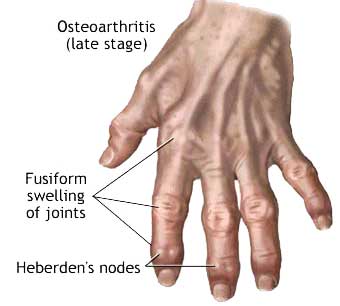
The Modern Epidemic of Joint Pain
It is frequently observed that people who indulge freely in "high living"—characterized by rich foods and alcoholic drinks—are highly susceptible to joint issues. Furthermore, individuals who lead a sedentary life associated with very little physical activity, or those who have altogether left off the vigorous bodily exercises of their youth, are most frequently attacked by so-called rheumatic complaints in their advanced life.
Modern dietary trends, rapidly increasing rates of obesity, and a steadily decreasing emphasis on physical exercise are drastically increasing the worldwide prevalence of these troubles. The conveniences of modern technology have engineered natural movement out of our daily lives, leading to a phenomenon known as "muscle deconditioning," which leaves the joints without adequate muscular support and prone to rapid wear and tear.
Dietary Guidelines for Healthy Joints
Your daily diet plays a fundamental role in the health and longevity of your connective tissues. To protect your joints, you must consciously avoid overindulgence in food and alcohol. Specifically, you should transition to eating very little flesh (meat) and instead consume an abundance of fresh fruits and green vegetables. Vegetarian diets are proven to be much safer and more effective for rheumatic patients.
Animal meats, especially red meat and organ meats, are excessively high in purines and arachidonic acid. When broken down, these compounds significantly increase uric acid levels in the bloodstream, leading to sharp, painful crystal deposits in the joints and systemic inflammatory responses.
Similarly, it is highly recommended to avoid a high-protein diet, which means you should actively use fewer pulses (lentils and beans) in your daily meals. While a baseline of protein is essential for cellular repair, an excess of heavy, difficult-to-digest proteins can lead to the accumulation of metabolic waste products. In holistic medicine, these are recognized as systemic toxins that settle in the synovial fluid, causing morning stiffness and swelling.
Beverages also require careful monitoring. You should use significantly less coffee and tea. Excessive intake of caffeinated beverages can act as a diuretic, depleting the body of essential bone-building minerals like calcium and magnesium, while promoting an acidic internal environment that actively exacerbates joint inflammation.
If you like the taste, you may freely use garlic in your everyday meals. Garlic is a natural powerhouse for joint health. It contains a highly potent sulfuric compound called diallyl disulfide, which actively works to limit the production of pro-inflammatory cytokines, making it a highly effective, natural pain reliever for swollen, aching joints.
In addition to these modifications, ensuring optimal daily hydration by drinking plenty of pure water is crucial. Water helps to continuously flush out inflammatory toxins and keeps the spongy cartilage in your joints fully lubricated and shock-absorbent. Furthermore, many homeopathic practitioners advise patients to monitor their intake of "nightshade" vegetables—such as tomatoes, potatoes, and eggplants—as the alkaloid solanine found in them can act as a hidden trigger for flare-ups in highly sensitive individuals.
Lifestyle, Movement, and Weight Management
If you are obese or carrying excess weight, making an active effort to reduce your weight is an absolute necessity for recovery. The mechanical stress of weight is exponential; every single pound of excess body weight places approximately four pounds of extra pressure on weight-bearing joints like the knees and hips, accelerating cartilage breakdown with every step you take.
Regular exercise and walking in the open air are immensely beneficial to the rheumatic patient. Movement acts like a natural pump for your skeletal system. Because joint cartilage does not have a direct blood supply, gentle, consistent exercise in fresh, oxygen-rich air is the only physiological way to circulate nutrient-dense synovial fluid into the joint capsule, keeping it supple, nourished, and free from decay.
Don't self-treat a serious condition
Conditions like this deserve a doctor's eye. Start an online consultation and get a treatment plan suited to you.
Start Consultation