Leprosy (Hansen's Disease): Overview, Pathology, and Homeopathic Therapeutics
Leprosy, or Hansen's Disease, is a chronic bacterial infection affecting skin and peripheral nerves. Preventable and curable with various homeopathic remedies which offer complementary support for specific skin and nerve symptoms.
"Homoeopathy ......heals a larger percentage of cases than any other method of treatment and is beyond doubt safer and more economical."
— Mahatma Gandhi
"Things in nature are words and color in form; a language which expresses itself to those who can read."
— Constantine Hering
1. Overview and Etymology
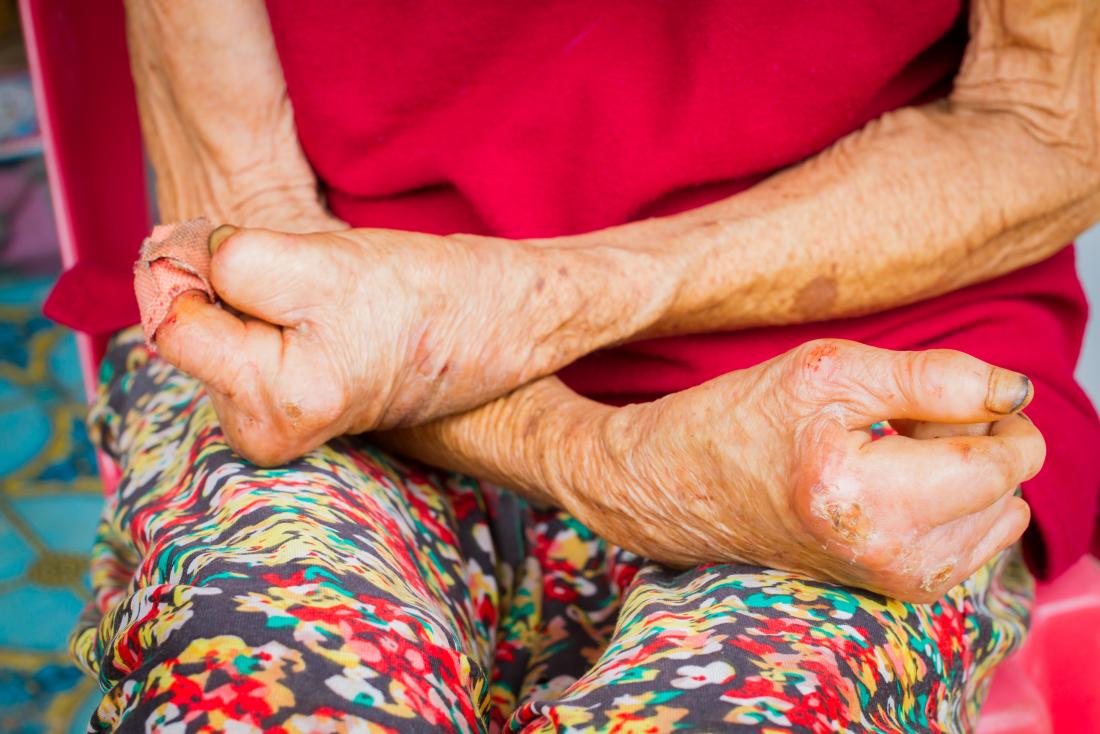
Leprosy is a chronic, infectious bacterial disease known since biblical times. It is characterized by disfiguring skin lesions, peripheral nerve damage, and progressive debilitation.
Etymology: The word leprosy originates from the Greek word lepi, meaning "scales on a fish."
Synonym: Hansen's disease.
Pathology: It is primarily a granulomatous disease affecting the peripheral nerves and the mucosa of the upper respiratory tract.
Causative Organisms: Mycobacterium leprae and Mycobacterium lepromatosis.
Primary Symptom: Skin lesions are the primary external manifestation.
World Leprosy Day: Celebrated globally on the last Sunday of January every year (e.g., January 25, 2009). Its main objective is to increase public awareness and build solidarity with individuals affected by this stigmatized disease. World Leprosy Day was established in 1954 by French philanthropist Raoul Follereau to raise awareness and educate the public about the cure for the disease.
2. Epidemiology and Transmission
Contagiousness & Incubation: Mycobacterium leprae is not highly contagious and is difficult to transmit. It has a long incubation period, making it challenging to identify when or where the infection was acquired.
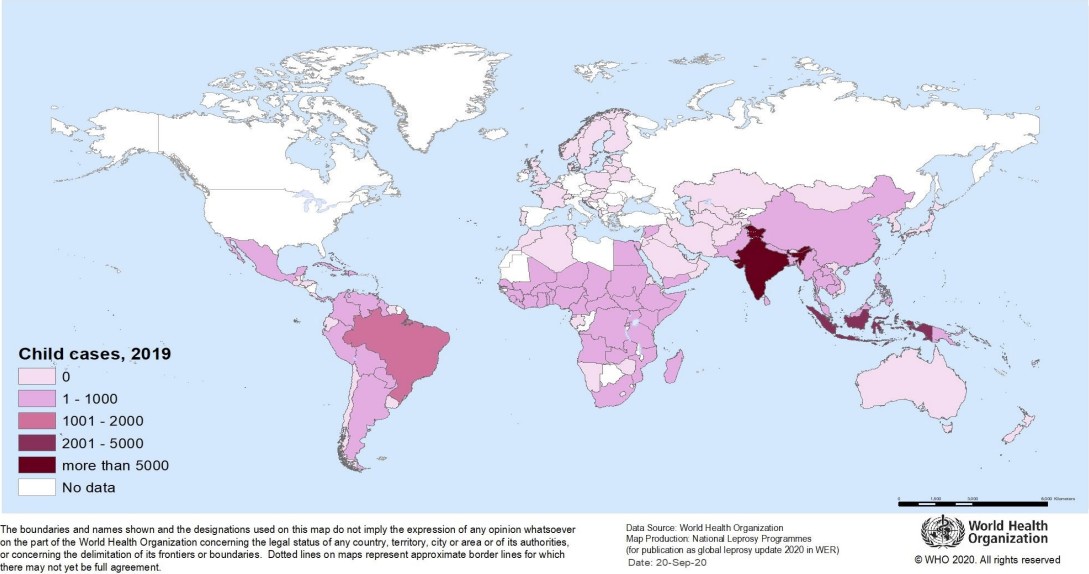
Susceptibility: Children are more susceptible to contracting the disease than adults.
Geographic Distribution: Common worldwide across temperate, tropical, and subtropical climates.
Public Health Impact: Global concern persists due to rising case numbers and the emergence of drug-resistant strains of M. leprae. However, isolation of patients in "leper colonies" is unnecessary due to effective modern treatments.
3. Clinical Classification and Symptoms
Disease Forms
Leprosy presents in two primary forms (which are further subdivided):
Tuberculoid Leprosy: A milder, less severe form.
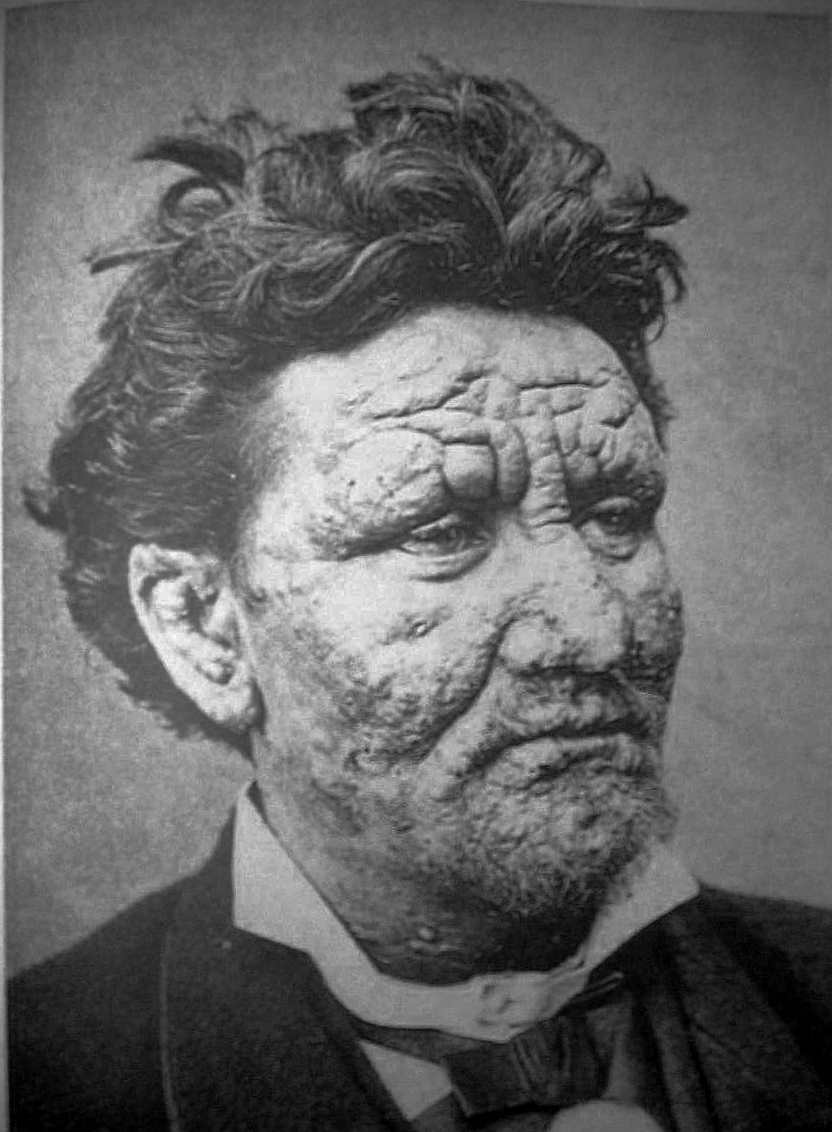
Lepromatous Leprosy: The most severe form, characterized by large, disfiguring nodules (lumps and bumps).
Progression and Complications
All forms eventually cause peripheral neurological damage in the arms and legs, leading to:
Sensory loss in the skin.
Muscle weakness.
Loss of hand or foot function due to repeated, unnoticed injuries resulting from a lack of sensation.
Summary of Key Symptoms
Skin lesions lighter than normal skin color (hypopigmented).
Decreased sensation to touch, heat, or pain within lesions.
Lesions that persist for weeks or months without healing.
Numbness or absent sensation in the hands, arms, feet, and legs.
Muscle weakness.
4. Diagnostics
Lepromin Skin Test: Used to distinguish between lepromatous and tuberculoid leprosy (it is not used as a primary diagnostic tool).
Skin Scraping Examination: Performed to detect acid-fast bacteria.
Diagnosis in modern clinical practice relies primarily on identifying at least one of three cardinal signs: hypopigmented or reddish skin patches with definite loss of sensation, thickened or enlarged peripheral nerves, or microscopic demonstration of acid-fast bacilli in skin smears.
5. Prevention and Control
Early diagnosis is essential to reduce symptom severity and complications.
While total prevention is difficult in endemic regions, disease control is achievable through timely treatment.
Contact Tracing: Individuals in immediate contact with patients should be examined for infection. Annual examinations should be conducted for at least five years following the last exposure.
6. Treatment Approaches
Primary Remedy for Leprosy
Hydrocotyle-Q: Administering 2 drops in a cup of water four times a day provides significant relief in several cases.
7. Comparative Homeopathic Therapeutics for Associated Skin & Glandular Conditions
The following remedies are indicated when symptom agreement is present for various clinical skin and constitutional presentations:
Glandular Affections & Malnutrition
Iodine: Induration of glands that are sluggish and torpid; patient subject to wasting diseases (wasting of mammae, ovaries, testicles).
Sulphur: Eruptions; defective osseous growth, open fontanelles, bone affections, rickets, and spinal curvature. Voracious appetite caused by defective assimilation from diseased glands. Child looks like a "little old man or woman" with wrinkled, flabby skin. Eruptions alternate with internal troubles; aggravated by washing.
Graphites: Swollen lymphatic glands of the neck, axillae, inguinal, and mesenteric regions with marked skin symptoms.
Mercurius: Enlarged glands, open posterior fontanelles, slow learning to walk, imperfect tooth formation, cold damp feet, and offensive, oily head sweat.
Calcarea carbonica: Offensive head sweat; slow dentition; swollen, "pot-bellied" abdomen; swollen upper lip; open fontanelles; emaciation; flabby skin hanging in folds; partial sweating; scrofulous bone affections.
Silicea: Offensive foot sweat; high sensitivity to cold; general unhealthy skin condition that suppurates easily and heals with difficulty. (Superior remedy in suppurative skin diseases).
Vesicular, Blistering, and Eruptive Conditions
Rhus toxicodendron: Red skin covered with numerous vesicles accompanied by intense itching and tingling; skin is swollen and edematous. Indicated in vesicular erysipelas.
Apis mellifica: Characterized by more burning/stinging and edema than Rhus tox. Indicated in pale erysipelas and sudden urticaria appearing as long pinkish-white welts with severe itching.
Cantharis: Produces large blisters with severe burning and smarting; primary remedy for burns and scalds.
Croton tiglium: Small, numerous, intensely itching vesicles that dry into yellow scabs; confluent vesicles.
Hura brasiliensis: Similar presentation to Croton tiglium.
Ranunculus bulbosus: Burning, serum-filled vesicles with a bluish-black appearance along nerve pathways (Shingles / Herpes zoster).
Mezereum: Small vesicles with severe itching; secretions dry rapidly into thick, high scabs oozing acrid, thick pus.
Chininum sulphuricum: Erythematous eruption resembling scarlet fever.
Ranunculus sceleratus: Resembles Cantharis; produces large blisters that burst and leave a raw surface.
Potashes: Induces papulous eruptions.
Psorinum: Herpetic eruptions with intense itching (worse upon warming in bed); dirty, greasy-looking skin; Tinea capitis with oozing offensive matter.
Lycopodium: Dry, scaly eruptions.
Arsenicum album: Burning, biting, gnawing pains and itching; watery swellings (puffiness to edema); papules, nettle rash, pimples, and painful sensitive ulcers discharging offensive fluid.
Comocladia dentata: Similar to Rhus tox; key unique symptom is pain in the right eye as if pushed out of the head, aggravated near a warm stove.
Dolichos: Violent, generalized itching without visible eruptions; useful for intense itching in jaundice (worse at night).
Dulcamara: Large wheals/eruptions brought on by digestive disorders, aggravated by cold air.
Hepar sulphur: Skin sensitive to open air; injuries suppurate easily; sensitive, easily bleeding ulcers emitting foul odors, surrounded by small pimples.
Hippomane mancinella: Vesicles with intense erythema (water dripping from leaves causes blistering); utilized in scarlet fever with severe skin irritation.
Hydrocotyle asiatica: Skin diseases presenting with massive desquamation (scaling).
Sarsaparilla: Sycotic eruptions resembling syphilitic roseola with severe itching; exuding irritating pus; moist genital eruptions.
Antimonium tartaricum: Pustular eruptions resembling smallpox.
Eczema, Scalp, and Crusty Eruptions
Oleander: Sensitive skin (slight friction causes chafing); crusta lactea on scalp and behind ears exuding fluid and breeding vermin.
Vinca minor: Eruptions breeding vermin with oozing discharges that mat the hair with an offensive odor (Plica polonica); eczema of scalp/face.
Viola tricolor: Thick crusts on the scalp with copious exudation matting the hair (Crusta lactea); distinguished by urine smelling like cat urine.
Staphisagria: Eruptions worse on the occiput with severe itching where scratching causes the itch to shift locations (also seen in Anacardium and Mezereum).
Nux juglans & Arctium lappa: Indicated for Crusta lactea.
Petroleum: Pure eczema occurring behind the ears; harsh, dry skin with deep bleeding cracks and fissures; cracked, painful fingertips and chapped hands. (Graphites represents herpes-like conditions, whereas Petroleum represents eczema).
Natrum muriaticum: Dry, scaly, or herpetic eruptions with small watery blisters, particularly in the bends of the knees (flexor surfaces); hair and eyebrow loss.
Kreosote: Eruptions specifically affecting extensor surfaces.
Natrum carbonicum & Pix liquida: Indicated for eczema on the dorsum (back) of the hands.
Urticaria, Spots, and Specific Dermatoses
Urtica urens & Terebinthina: Nettle rash (urticaria) caused by eating shellfish. (Urtica is also indicated for absence of milk after confinement).
Sepia: Yellowish-brown spots with itching, redness, and rawness; ringworm; herpetic conditions about the knees and ankles.
Tellurium & Calcarea carbonica: Effective remedies for ringworm.
Belladonna: Bright scarlet redness, hypersensitive to touch, erysipelatous inflammation with deep throbbing.
Anacardium orientale: Small umbilicated blisters discharging yellow serum that hardens into crusts; extreme itching. Antidote to Rhus poisoning.
Anacardium occidentale (Cashew nut): Vesicular, umbilicated eruptions with severe itching.
Antimonium crudum: Thick, horny skin callosities; deficient nail growth; honey-yellow crusty eruptions; skin cracks easily.
Kalium bromatum: Indicated in acne.
Thuja occidentalis vs. Causticum (Warts):
Thuja: Remedies warts (fissured, cut-up, cauliflower appearance) and epidermal/nail diseases.
Causticum: Warts have a solid, hard, horny body.
Arnica montana: Dark blue dermatitis/erysipelas with itching, soreness, and boils. Must be diluted before external application due to its resinous nature. Camphor acts as an antidote to Arnica.
Psoriasis Remedies: Arsenicum album, Arsenicum iodatum, and Rhus toxicodendron.