How to Treat an Abscess with Homeopathy: A Complete Guide
Discover the safest and most effective homeopathic remedies for treating an abscess. Learn how to use medicines like Belladonna, Silicea, and Hepar Sulphur, along with essential external care tips for rapid healing.
Don't self-treat a serious condition
Conditions like this deserve a doctor's eye. Start an online consultation and get a treatment plan suited to you.
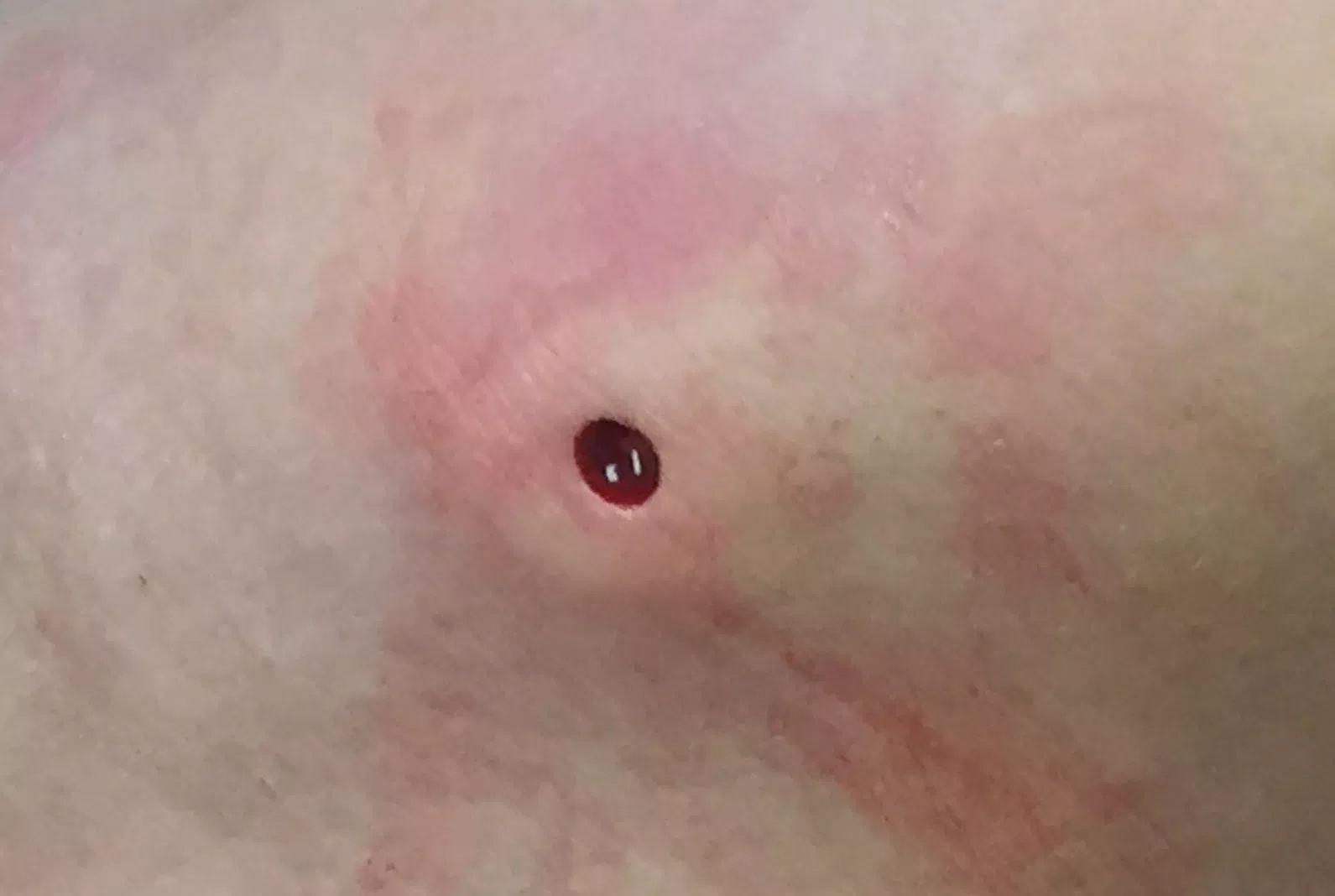
Start ConsultationAn abscess is essentially your body’s defense mechanism at work—a localized collection of pus built up within the tissue to isolate an infection, most commonly caused by bacteria such as Staphylococcus aureus. When approaching an abscess, the goal of homeopathy is to support the body’s natural inflammatory and clearing processes, effectively and safely guiding the condition to resolution.
General Care and External Management
Proper external management is crucial. The application of heat, whether through warm poultices or hot water compresses, relaxes and soothes the inflamed parts. This gentle warmth favors both the formation and the eventual discharge of pus. Never aggressively squeeze or lance a premature abscess at home, as this can push the infection deeper into the surrounding tissues or bloodstream.
For localized topical support, apply Calendula officinalis-Q (mother tincture) externally. This is our most remarkable healing agent. Calendula acts as a powerful natural homeopathic antiseptic, preventing secondary infections and promoting rapid tissue repair without artificially trapping pus inside the wound.
The Remedies
The choice of remedy depends entirely on the stage of the abscess, the character of the pus, and the patient's specific symptoms.
The Early and Acute Stages
Belladonna: This is the primary remedy for acute abscesses in their earliest stages. The affected parts are bright red, and the swelling appears suddenly. The inflammatory process is rapid, with pus developing with lightning-like rapidity. The patient will feel a sudden, intense throbbing sensation. Interestingly, these pains are apt to cease just as suddenly as they appeared. The patient may also exhibit a flushed face, hot skin, and the affected area will radiate intense, palpable heat.
Mercurius: This remedy is indicated after Belladonna when pus has definitively formed and needs to be evacuated. It actively favors the rapid formation of pus. Glandular abscesses especially call for Mercurius. The skin presents with an intense, shining redness, accompanied by severe throbbing and stinging pains. Patients needing this remedy typically feel much worse at night and may experience heavy, offensive night sweats. (Crucial Note: Mercurius and Silicea are inimical—they do not follow each other well and must be carefully distinguished to avoid disrupting the healing process.)
The Suppuration (Pus-Forming) Stage
Hepar Sulphur: This is a vital remedy when there are chills indicating the beginning of suppuration. The patient experiences throbbing and sharp, sticking pains—often described as the agonizing sensation of a splinter or shard of glass lodged in the skin. The patient is usually extremely chilly and hypersensitive to both cold air and the slightest touch. The potency choice is critical here: given in a low potency in threatening suppuration, it favors and hastens the pus formation; given in a high potency, it will often abort the abscess entirely.
Myristica Sebifera: Known for having great antiseptic powers, this remedy has a specific action in cases of panaritium (painful infections around the fingernails or toenails, also known as whitlows) and carbuncles. It hastens suppuration and dramatically shortens its duration. Because of its profound ability to open and drain an infection naturally, it has earned the nickname of the "homeopathic scalpel," often used when surgical intervention seems otherwise inevitable.
Sluggish, Prolonged, and Chronic Conditions
Silicea (Silica): Indicated in conditions where the suppuration is continuous and the wound stubbornly refuses to heal. The whole process is an indolent and sluggish one, with discharges that are apt to be thin and watery. Silicea promotes suppuration and brings the slow suppurative process to full maturity. Silicea patients generally lack vital heat; they are typically very chilly, easily fatigued, and may suffer from offensive foot sweat.
Calcarea Sulphurica (Sulphate of Calcium or Gypsum): This is highly useful in cases of abscess where the suppuration is prolonged. The key indication is the presence of pus with a clear vent (an open draining hole). It usually comes in after Silicea. While Silicea matures the pus, Calcarea sulphurica actively checks the suppuration and promotes healthy tissue granulation. It also lacks the fetor (foul smell) characteristic of a Silicea discharge. Unlike the chilly Silicea patient, the Calcarea sulphurica patient is typically warm-blooded and strongly desires open air.
Sulphur: Reserved for chronic cases where the discharge is profuse, accompanied by emaciation and a hectic fever. Sulphur should be given to abscesses in scrofulous persons where there is a marked, underlying psoric taint (a fundamental predisposition to skin conditions and chronic inflammation).
Severe, Toxic, and Glandular Affections
Anthracinum: Requisite for a succession of boils, carbuncles, and malignant ulcers. The patient experiences intolerable burning pain. It is highly effective for dissecting wounds (infections acquired from handling decaying biological matter) and severe insect stings.
Lachesis: Indicated in low, toxic conditions of abscess when the pus is thin, dark, and highly offensive in character. The inflamed parts take on a bruised, purplish color. It is excellent for abscesses resulting from poisonous matter introduced into the system. The pain is often completely out of proportion to the visual appearance of the abscess, and symptoms are characteristically worse after sleeping.
Besides Lachesis, other remedies that may be indicated in low, toxic conditions of abscess by general constitutional symptoms include Arsenic, Rhus toxicodendron, and Carbo vegetabilis.
Calcarea Carbonica and Calcarea Iodata: These are constitutional remedies especially useful in scrofulous (chronically swollen, immune-compromised) abscesses. Calcarea carbonica is a broad constitutional remedy, while Calcarea iodata is specifically targeted if the abscesses are located about the glands of the neck.
Always monitor an abscess closely. While homeopathy provides profound healing support, you should seek immediate professional medical attention if an abscess is accompanied by a high systemic fever, red streaks radiating from the site, or extreme physical lethargy, as these are urgent signs of systemic sepsis.
Don't self-treat a serious condition
Conditions like this deserve a doctor's eye. Start an online consultation and get a treatment plan suited to you.
Start Consultation