The Ultimate Guide to PCOD: Symptoms, Infertility Myths, and Homeopathic Treatment
Struggling with irregular periods, weight gain, or unwanted facial hair? Discover the real causes of PCOD (PCOS), effective lifestyle changes, and how natural homeopathic remedies can help restore your hormonal balance and fertility.
Don't self-treat a serious condition
Conditions like this deserve a doctor's eye. Start an online consultation and get a treatment plan suited to you.
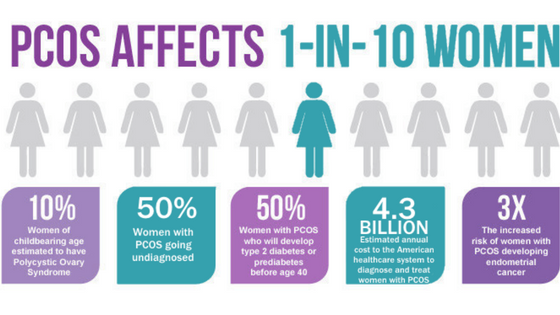
Start ConsultationPolycystic Ovarian Disease (PCOD), also known as Polycystic Ovary Syndrome (PCOS) or Stein-Leventhal syndrome, is the most common endocrine and hormonal disorder among women of reproductive age. It is a leading cause of menstrual dysfunction and infertility globally, affecting women across all races and nationalities.
Minor symptoms, such as irregular periods coupled with weight gain and unwanted facial or body hair, should never be neglected. Early treatment—ideally before marriage or planning a family—is crucial to preventing the progression of the disease.
Understanding PCOD
Normally, a woman’s ovaries produce ova (eggs) that develop inside small swellings called follicles. Each month during the menstrual cycle, several follicles develop, but only one reaches full maturity and releases an egg into the uterus. The ovaries also produce female hormones (like estrogen) and small amounts of male hormones (androgens, like testosterone).
In PCOD, a hormonal imbalance prevents these maturing eggs from being expelled. Instead, the ovary fills with immature follicles (often misleadingly labeled "cysts"). These cysts contribute to further hormonal imbalance, creating a vicious cycle of ovarian enlargement and excessive androgen and estrogen production. The exact trigger for this cycle varies from patient to patient, with diet, stress, excess fat, and glandular issues all implicated.
Insulin resistance is a primary driver in up to 70% of PCOD cases, causing the pancreas to overproduce insulin, which in turn directly stimulates the ovaries to produce excess androgens.
Common Signs and Symptoms
No two women experience PCOD exactly the same way, but common indicators include:
Menstrual Irregularities: Absent or extremely irregular periods. Women may experience only 3 to 4 periods a year at random times, unless artificially regulated by conventional medications.
Hyperandrogenism (Male Hormone Effects): Thinning of scalp hair, adult acne, and excess, rich hair growth on the face (upper lip and chin) and pubic region.
Acanthosis nigricans—dark, velvety patches of skin, typically in the creases of the neck, armpits, or groin—is a strong clinical sign of underlying insulin resistance associated with PCOD.
Weight & Fat Distribution: Male-pattern fat storage, characterized by abdominal weight gain rather than the standard female pattern on the thighs, hips, and waist.
Ovulatory Pain: Mid-cycle pain indicating painful ovulation, caused by the enlargement and blockage of the ovarian surface.
Developmental Signs: Early development of breast buds.
Family History: A mother, sister, or grandmother with similar symptoms.
Infertility: Difficulty conceiving despite regular, unprotected intercourse, as irregular ovulation drastically reduces the monthly odds of pregnancy.
Diagnosis and Confirmation
A combination of classical medical history, close observation, and specific investigations confirm a PCOD diagnosis:
FSH & LH Hormone Levels: While Follicle-Stimulating Hormone (FSH) and Luteinizing Hormone (LH) levels vary throughout the menstrual cycle, the FSH-to-LH ratio should normally be less than 2. In PCOD, this ratio is often inverted to around 4 or higher.
Pelvic Ultrasound: An ultrasound will typically show a "honeycomb" pattern of partially developed follicles coating the enlarged ovaries.
Under the internationally recognized Rotterdam Criteria, a formal PCOD diagnosis requires at least two of the following three signs: irregular menstrual cycles, elevated androgen levels (clinical or biochemical), and polycystic ovaries visible on an ultrasound.
Does PCOD Mean Infertility?
No, PCOD does not equal absolute infertility.
Infertility is just one possible symptom of PCOD, and many women with the condition have no fertility issues at all. The stress and panic of a PCOD diagnosis often contribute more to infertility than the condition itself. A positive family history (a mother or grandmother with the condition) is living proof that fertility is possible.
Normal women ovulate monthly, giving them about 12 chances a year to conceive. Women with PCOD may only get 3 to 4 chances a year due to delayed periods, and they do face a higher rate of early fetal loss if they conceive. However, with proper treatment and patience, more than 80% of women whose fertility problems are caused by PCOD go on to bear healthy children.
Surgery is not recommended as a permanent fix. It only temporarily straightens out the hormonal imbalance (usually for about a year) and carries significant downsides, including the risk of surgical adhesions (which reduce fertility until removed) and complete ovarian failure due to trauma.
Dietary and Lifestyle Management
For patients with PCOD, particularly those struggling with obesity, weight loss and lifestyle modifications are essential.
Hydration: Drink 5 liters of water daily.
Exercise: Increase physical activity to lose weight. Engage in regular aerobic activities like walking, jogging, or swimming. Find an accountability partner to help stay active.
Rest & Stress Management: Take good rest, avoid panic, and participate in activities you enjoy to manage stress.
Dietary "Do's": Eat a fiber-rich diet loaded with fresh fruits and vegetables (especially citrus fruits, guava, amla, tomato, and capsicum for Vitamin C and iron). Consume more whole pulses, cereals, and sprouts.
Dietary "Don'ts": Strictly avoid sugar and high-fat foods (margarine, butter, ghee, cheese, chocolates, creams, ice cream, pastries, parathas, kachoris, samosas, khastas). Eliminate processed/canned foods, papad, pickles, and chips.
Substance Avoidance: Avoid strong tea, coffee, pan-masala, gutkha, smoking, and alcohol. Even if you lose weight, you must permanently maintain these healthy habits.
The Homeopathic Approach to PCOD
Rather than forcing artificial menstruation through synthetic hormones, homeopathic medicines work deeply within the system to cure the underlying condition, naturally inducing normal ovulation and menstruation to restore natural fertility.
Specific Mother Tinctures (Q)
Abroma radix-Q: A great friend to women; regulates menses and improves overall health. (Dose: 2 drops in a cup of water, twice daily)
Aegle marmelos-Q: Improves health, regulates periods, and removes intestinal disorders. (Dose: 2 drops in a cup of water, twice daily)
Blumea odorata-Q: Addresses uterine bleeding, piles, nosebleeds, excessive menstrual bleeding, and dysentery. (Dose: 1 drop in a cup of water, thrice daily)
Viburnum opulus-Q: For late, scanty menses with a bad odor and severe pain radiating down the thighs. (Dose: 1 drop in a cup of water, thrice daily)
Sabal serrulata-Q: Useful for undeveloped mammary glands; improves general health. (Dose: 2-5 drops in a cup of water, thrice daily)
Sulphur-Q and Calendula-Q: Add 1 drop of each per 10 liters of your bathing water.
Major Constitutional & Menstrual Remedies
Sepia Known as Hering's "finishing remedy," Sepia is crucial for late and scanty menses. Symptoms include bearing-down pains in the abdomen (patient feels she must cross her limbs to prevent protrusion of pelvic organs), extreme weakness, a dragging backache, a "gone" feeling in the abdomen, and uterine stasis. The womb feels as if clutched and suddenly released. Aggravation occurs in the forenoon and from motion; relief comes from lying down (the reverse of Belladonna).
Comparisons to Sepia:
Lilium tigrinum: Similar bearing-down sensation (relieved by pressing the hand against the vulva), but ovarian/uterine pains are more intense. The patient is highly nervous, better when busy, and worse in the afternoon. Produces sexual excitement.
Murex: Very similar to Sepia, but Murex causes significant sexual excitement, profuse secretions (menses and urination), and a feeling as if something is pressing on a sore spot in the pelvis.
Helonias: Consciousness of a womb; profound melancholy, tired aching back/legs, soreness and weight in the womb.
Sulphur: Complementary to Sepia; shares the bearing-down sensation, "goneness" in the abdomen, and flushes of heat.
Kreosote: Like Sepia, features dragging back pains and outward genital pressure, but Kreosote has copious menses (Sepia is scanty), an acrid/excoriating leucorrhoea, and back pain relieved by motion. Both feature painful coitus and red sediment in turbid, offensive urine.
Stannum: Prolapsus with melancholy, but specifically features a falling womb during hard stools. The patient is extremely weak (must sit down while dressing).
Nux vomica: Less dragging down than Sepia and no "gone" feeling, but predominant gastric symptoms and morning nausea during early/profuse menses.
Aloe: Tissue relaxation, heaviness, and dragging are more intense than Sepia, accompanied by loss of bowel/rectum control.
Podophyllum: Burning in the pelvis and bearing-down during stool, with distinct gastric and diarrheal symptoms.
Pulsatilla & Phosphorus (Constitution)
Pulsatilla: Best for mild, tearful, whimsical blondes (contrasting Sepia's depressed, irritable brunettes). Menses are delayed, scanty, fitful, and changeable. Associated with chilliness, pelvic heaviness, and amenorrhea after getting feet wet. Worse in a warm room, better in open air.
Phosphorus: Ideal for tall, slender females experiencing early and scanty menses preceded by leucorrhoea.
Remedies for Pain, Spasms, and Inflammation
Actea racemosa: Suppressed, tardy, or irregular menstruation with reflex disturbances; threatened miscarriage with pains shooting side-to-side across the abdomen.
Caulophyllum: Uterine spasms and dysmenorrhea; a sensation of uterine congestion/tension in the hypogastric region. Menses are passive, too frequent, and profuse.
Belladonna: Painful congestive dysmenorrhea; menses are bright red, hot, or decomposed dark red, and offensive. Bearing down is worse lying down and relieved by standing.
Gelsemium: The uterus feels squeezed by a hand; scanty flow, accompanied by aphonia and sore throat during menses.
Bryonia: Suppressed or vicarious menstruation; dark and profuse flow with sharp sticking pains and splitting headaches.
Palladium: Ovarian swelling/pain; knife-like cutting pains in the uterus; soreness in the abdomen with downward pressure relieved by rubbing.
Remedies for Hemorrhage (Metrorrhagia/Menorrhagia)
Sabina & Millefolium: Both treat bright red, partly clotted blood. Sabina is paroxysmal with pains in the limbs and useful for bleeding at the change of life.
Ipecac: Shares Sabina's bleeding symptoms but is distinguished by persistent nausea.
Secale: Persistent, passive hemorrhage of dark, thin, sometimes offensive blood. Patient experiences coldness, formication, and tingling.
Bovista: Bright, thin hemorrhage that is highly periodic, occurring chiefly at night or in the morning.
Ustilago: Bright red, partly clotted flow. Hemorrhages are easily triggered by slight manipulations (like medical examinations) or retro-flexions.
Magnesia carbonica: Dark, thick uterine hemorrhage occurring chiefly at night.
Causticum: Menses flow only in the daytime when the patient is on her feet.
Trillium: Active, acute, bright red profuse hemorrhages with abdominal faintness and sacroiliac pain.
Calcarea fluorica: Excessive menstruation with flooding, bearing-down pains, uterine displacements/prolapsus, and dragging pains in the thighs.
Additional Specific Therapeutics
Platina: Profuse, clotted, early menses; voluptuous genital irritation/nymphomania; indurated/prolapsed uterus; highly sensitive and burning ovaries.
Caladium: Nymphomania caused by worms crawling into the vagina and causing irritation.
Crocus: Dark, clotted menses with a unique sensation as if something alive is moving in the abdomen.
Carbo animalis: Uterine cervix induration (distinguished from Sepia by a throbbing headache following menses).
Natrum hypochlorosum & Ferrum iodatum: The womb feels pushed up when sitting.
Senecio: Scanty menses with bladder pains/dysuria; suppression causes cough with bloody expectoration and reflex sleeplessness.
Aletris: Uterine troubles, leucorrhoea, severe constipation requiring great effort, and extreme fatigue.
Hydrastis: Uterine prolapse with cervical ulceration; thick, yellow, tenacious catarrhal discharge.
Ammonium muriaticum, Apis, & Arnica: Share a sensation in the groin as if it were sprained.
Apis: Amenorrhea, head congestion, bearing-down pains, and great awkwardness.
Mel cum sale: Soreness across the hypochondrium (from ilium to ilium) in prolapsus uteri or chronic metritis.
Cantharis: Nymphomania with bladder symptoms; menses are black, early, and profuse. Favors expulsion of moles/hydatids.
Lachesis: Scanty, feeble, black, offensive menses with hip pain and bearing-down in the left ovary. Symptoms improve once the flow is established.
Alumina: Chlorosis with pale, scanty menses and an unnatural craving for indigestible substances.
Michella: Engorged cervix with irritation at the neck of the bladder.
Graphites: For overweight women constantly feeling cold, with herpetic eruptions. Enlargement of the left ovary, scanty delayed menses, and a feeling that the womb will press out of the vagina.
Natrum muriaticum: Scanty menses (may be scanty for a day or two, then copious), painful coitus, and red urinary sediment. Characterized by morning aggravation, backache, and sadness that peaks before menses. The patient must sit down upon waking to prevent prolapsus.
Conium: Late, scanty menses with painful abdominal cramps preceded by lax, shrunken, or painfully enlarged/nodular breasts. Useful for fibroids, cervical induration, ovaritis with lancinating pains, and ill effects of suppressed sexual instinct.
Calcarea carbonica: Early, profuse menses that last too long in characteristic patients whose feet feel cold and damp.
Silicea: Early, scanty menses with an acrid smell; cold feet during menses; burning soreness and pudendal itching.
Kalium carbonicum: Early, profuse, prolonged menses with severe backache and body itching.
Painful/Sensitive Coitus: Platina, Sepia, Belladonna, Kreosote, Ferrum, Natrum muriaticum, Apis, and Thuja all feature pronounced sensitivity during intercourse.
Don't self-treat a serious condition
Conditions like this deserve a doctor's eye. Start an online consultation and get a treatment plan suited to you.
Start Consultation