The Complete Homeopathic Guide to Menopause and Irregular Periods
Discover how homeopathy can naturally manage menopause symptoms, irregular periods, and uterine conditions. Explore comprehensive remedies like Sepia, Pulsatilla, and Belladonna to ease your transitional phases.
New to homeopathy? Start here →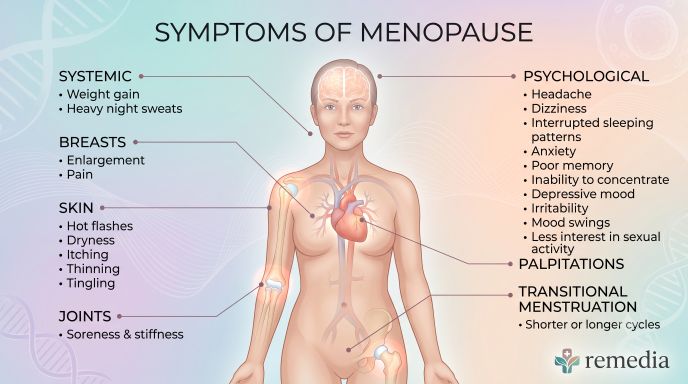
Don't self-treat a serious condition
Conditions like this deserve a doctor's eye. Start an online consultation and get a treatment plan suited to you.
Start ConsultationUnderstanding Menstrual Irregularities
Before addressing menopause, it is essential to define the various states of absent or altered menstrual flow:
Amenorrhoea: The general absence of menstruation.
Oligomenorrhoea: Deficient menstruation or periods occurring at abnormally long intervals.
Physiological Amenorrhoea: The natural cessation of menses occurring during menopause, pregnancy, and lactation.
Primary Amenorrhoea: A condition where menstruation never occurs. This is typically due to a congenital absence of reproductive organs, an infantile uterus, or undeveloped ovaries.
Apparent Amenorrhoea (Cryptomenorrhoea): The patient experiences menstrual symptoms (e.g., fullness in the breasts, monthly abdominal pain), but the physical flow is trapped behind an imperforate hymen, or an occluded cervical os or vagina.
Secondary Amenorrhoea: Menstrual flow is established normally but later ceases for a period of time.
The Menopausal Transition
Menopause, or the climacteric, is the physiological epoch when female reproductive activity undergoes involution and menstruation ceases. Because this is a normal physiological process, healthy women should be reassured that it requires no disruption to normal life, and sexual intercourse can continue normally.
Stages of Transition:
Premenopause: The beginning of the transition. Periods become irregular due to fluctuating and gradually declining levels of estrogen and progesterone.
During this phase, Follicle Stimulating Hormone (FSH) levels rise significantly as the pituitary gland attempts to stimulate the less responsive ovaries.
Menopause: Reached definitively once a woman has gone 12 consecutive months without a period. The ovaries produce very little estrogen, no progesterone, and cease releasing eggs.
Postmenopause: The time following menopause. While most transitional symptoms dwindle, the body must adapt to a low-estrogen environment.
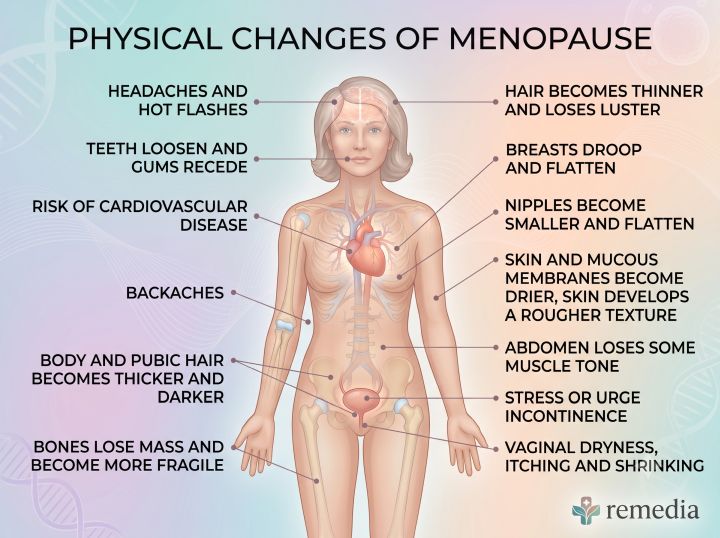
The systemic loss of estrogen during postmenopause significantly increases the risk of osteoporosis (bone density loss) and cardiovascular disease.
Crucial Warning: Menorrhagia (heavy bleeding) or any irregular uterine bleeding during postmenopause requires highly careful investigation, as the risk of developing uterine or endometrial cancer is especially liable at this age.
How Menstruation Ceases:
Gradually, with lengthening intervals until total cessation.
Suddenly, stopping without warning.
Through a final series of hemorrhages.
Attendant Phenomena of Menopause
Age of Onset: Typically varies between 35 and 55, with the traditional average between 45 and 50.
Modern global medical consensus places the specific average age of menopause onset at 51 years old.
Vaso-motor Disturbances: "Hot flushes" present as a wave of heat spreading upward over the face and head, frequently accompanied by sweating.
Nervous Phenomena: Patients frequently experience insomnia, irritability, restlessness, and depression.
Atrophic Changes: Genital organs undergo atrophy. The uterus shrinks and its muscle walls thin. Vaginal folds become smooth, and introitus contraction may lead to dyspareunia (painful intercourse). Microscopical examination of vaginal smears can estimate the extent of these cellular changes.
Pelvic Lesions: Fibroids and endometriosis generally tend to involute (shrink) during this time due to lack of estrogen, but they must be carefully monitored.
Homeopathic Therapeutics for Uterine & Menopausal Conditions
The following remedies are indicated for specific symptomatic presentations of uterine and menopausal dysfunction.
Core Remedies & Primary Comparisons
Sepia: Menses usually late and scanty (though combinations vary). Bearing down pains in the abdomen; the patient must cross her limbs to prevent protrusion. Extreme weakness with a dragging, weak feeling in the back. Womb feels as if clutched and suddenly released. "Gone" feeling in the abdomen with symptoms of uterine stasis. Often prescribed after other drugs (Hering called it "a finishing remedy").
Worse in the forenoon; worse from motion; relieved by lying down (reverse of Belladonna).
Lilium tigrinum: Similar to Sepia with bearing down as if everything would protrude, but relieved by pressing the hand against the vulva. Ovarian/uterine pains are more intense than Sepia. Marked nervousness. Uterus sore and sensitive. Produces sexual excitement.
Better when busy; relieved by exercise; worse in the afternoon.
Murex: Very similar to Sepia, but differentiated by causing sexual excitement and copious secretions (profuse menses and urination). Sensation as if something is pressing on a sore spot in the pelvis.
Kreosote: Compared to Sepia: Both feature intermittent menses, dragging back pains, outward genital pressure, painful coitus, and turbid/offensive urine with red sediment.
Differences: Kreosote has copious menses (Sepia is scanty); dragging back pain is relieved by motion (Sepia is worse from motion); bearing down is worse from rest; leucorrhoea is highly acrid, irritating, and excoriating.
Belladonna: Bearing down is worse lying down, relieved by standing (reverse of Sepia). Menses are bright red, too early, and too profuse. Painful congestive dysmenorrhoea. Downward pressure as if everything would protrude; blood feels hot to the parts, or may be decomposed and dark red. Offensive flow without apparent cause.
Pulsatilla: Delayed, scanty menses with fitful, changeable flow. Heaviness and weight in the pelvis. Amenorrhoea following wet feet. Chilliness. Worse in a warm room, better in open air.
Temperament comparison: Pulsatilla is mild, tearful, whimsical, and often suits blondes. Sepia is depressed, easily excited, irritable, and often suits brunettes.
Hemorrhagic & Bleeding Profiles
Secale: Persistent, passive hemorrhages of dark, thin blood, which may be offensive. Accompanied by coldness, formication, and tingling.
Bovista: Bright, thin hemorrhage that is highly periodic. Flow occurs chiefly at night or in the morning.
Ustilago: Bright red, partly clotted flow. Menorrhagia from retroflexions. Slight manipulations (like examinations) trigger hemorrhage.
Magnesia carbonica: Dark, thick uterine hemorrhage; menstruation occurs chiefly at night.
Causticum: Menses flow only in the daytime when the patient is up and on her feet.
Trillium: Active, acute hemorrhage. Bright red, profuse bleeding with faintness in the abdomen and pains in the sacroiliac synchondroses.
Millefolium: A specific remedy for thin, bright red flow. (Also similar to Sabina with bright red, partly clotted blood).
Sabina: Bright red, paroxysmal flow with pains in the limbs. Uterine hemorrhage during the change of life. (Along with Millefolium, features partly clotted bright red blood).
Ipecac: Shares bleeding symptoms with Sabina, but is distinctly recognized by persistent nausea.
Mental & Neurological Symptoms
Actea racemosa (Cimicifuga): Suppressed, tardy, or irregular menstruation accompanied by reflex disturbances. Excellent for threatened miscarriage when pains shoot across the abdomen from side to side.
Aurum: Uterus is congested and prolapsed from sheer weight. Bruised pain in the uterine region.
Conium: Menses late and scanty, or early and scanty with painful abdominal cramps. Breasts lax and shrunken, or enlarged/nodular, sore, and painful. Indicated for fibroid tumors, indurated cervix, ovaritis with lancinating pains, itching pudenda, and ill effects from suppressed sexual instinct.
Gelsemium: Sensation as if the uterus is being squeezed by a hand. Scanty flow with aphonia (loss of voice) and sore throat during menses.
Helonias: Consciousness of a womb (soreness). Profound melancholy. Tired, aching feeling with burning in back and legs; weight in the womb.
Stannum: Prolapsus with bearing down and melancholy, specifically characterized by the womb falling during hard stools. Extreme weakness; patient cannot talk and must sit down several times while simply dressing in the morning.
Pain, Prolapse, & Structural Issues
Aloe: Pronounced relaxation of tissues. Intense heaviness, weight, and dragging down. Associated bowel symptoms are key: loss of rectal control and loose bowels.
Podophyllum: Prolapsus with diarrhea and burning in pelvic regions. Bearing down during stool as if genitals would protrude. (Differs from Sepia in its marked gastric/bowel symptoms).
Nux vomica: Predominance of gastric symptoms. Menses too early and profuse with morning nausea, chilliness, and pressure toward genitals. Less bearing down/dragging than Sepia, and lacks Sepia's "gone" feeling.
Calcarea fluorica: Excessive menstruation with bearing down pains and flooding. Displacements and prolapsus; dragging pains in the uterine region and thighs.
Caulophyllum: Uterine spasms; excellent for dysmenorrhoea. Sensation of uterine congestion with fullness and tension in the hypogastric region. Menstruation too profuse and frequent; passive flow.
Hydrastis: Prolapsus uteri with ulceration of the cervix. Uterine catarrh with thick, yellow, tenacious discharge.
Mel cum sale: Soreness across the hypochondrium from ilium to ilium. Used in prolapsus uteri or chronic metritis.
Palladium: Soreness in the abdomen with downward pressure and tired back. Knife-like cutting pains in the uterus; swelling/pain in ovaries. Bearing down is relieved by rubbing.
Flow Irregularities & Specific Traits
Alumina: Chlorosis with pale, scanty menses and an abnormal craving for indigestible substances.
Apis: Amenorrhoea, head congestion, bearing down pains, and notable awkwardness.
Bryonia: Vicarious or suppressed menstruation. Flow is dark and profuse. Accompanied by sharp sticking pains and a characteristic splitting headache.
Calcarea carbonica: Menses too early, profuse, and lasting too long. Patient typically has cold, damp feet.
Carbo animalis: Features induration of the cervix (like Sepia), but is distinguished by a throbbing headache that follows menses.
Graphites: Sensation that the womb will press out of the vagina. Left ovary enlarged. Scanty, delayed menses. Anteflexions and anteversions. Dysmenorrhoea in overweight women with herpetic eruptions who are constantly cold.
Kalium carbonicum: Menses too early, profuse, and last too long. Body itching during menstruation. Severe backache (including amenorrhoea with backache).
Lachesis: Scanty, feeble, black, and offensive menses. Pain in hips and bearing down in the left ovary. Symptoms are better when the flow is established.
Natrum muriaticum: Scanty menses (may be scanty for 1-2 days, then copious). Painful coitus and red sediment in urine. Sadness increases before menses. Patient must sit down upon waking to prevent prolapsus. Morning aggravation and backache are characteristic.
Phosphorus: Early, scanty menses (often preceded by leucorrhoea) typically seen in tall, slender females.
Silicea: Early, scanty menses with an acrid smell. Cold feet during menses. Burning soreness and itching of the pudenda.
Senecio: Scanty menses associated with bladder pains and dysuria. Suppression of flow causes a cough with bloody expectoration. Uterine irritation causes reflex sleeplessness.
Genital Sensitivities & Nymphomania
Platina: Voluptuous irritation of genitals and nymphomania. Menses too early, profuse, and clotted. Prolapsus and induration of uterus. Ovaries sensitive with burning pain.
Caladium: Cures nymphomania caused by worms crawling into the vagina and causing severe irritation.
Cantharis: Nymphomania with pronounced bladder symptoms. Menses too black, early, and profuse. Favors the expulsion of moles, hydatids, etc.
Sensitiveness to Coitus: Specifically marked in Platina, Sepia, Belladonna, Kreosote, Ferrum, Natrum muriaticum, Apis, and Thuja.
Sexual Excitement: Produced characteristically by Murex, Lilium tigrinum, and Platina.
Unique Physical Sensations
Crocus: Dark, clotted menses. Recognized by a unique sensation as if something alive were moving about in the abdomen.
Aletris: Uterine troubles and leucorrhoea accompanied by extreme constipation requiring immense effort for an evacuation. Patient is weak and tired.
Ammonium muriaticum, Apis, and Arnica: Share a specific sensation in the groin as if it were sprained.
Michella: Engorged cervix coupled with irritation at the neck of the bladder.
Natrum hypochlorosum and Ferrum iodatum: The womb feels as if it is pushed up when the patient sits down.
Sulphur: Complementary to Sepia, sharing the bearing down, "goneness" in the abdomen, and hot flushes.
Don't self-treat a serious condition
Conditions like this deserve a doctor's eye. Start an online consultation and get a treatment plan suited to you.
Start Consultation
Medically reviewed by
Dr. Gupta · B.Sc. GHMS
Senior Homoeopath with 40+ years of field experience
View full profile →