Why Are Your Heels Hurting? Unlocking the Secrets to Lasting Relief
Does your heel pain get worse as the day goes on? Discover the root causes of daily foot discomfort, understand nerve symptoms like tingling and burning, and explore effective treatments to help you walk pain-free.
Don't self-treat a serious condition
Conditions like this deserve a doctor's eye. Start an online consultation and get a treatment plan suited to you.
Start ConsultationThe human foot is an incredibly complex mechanical structure, comprising numerous bones, joints, ligaments, and muscles all designed to bear the weight of the entire body. At the foundation of this structure is the calcaneus, commonly known as the heel bone. When functioning correctly, the heel absorbs the shock of every step we take. However, when issues arise, the resulting discomfort can be debilitating. Experiencing heel pain is a very common medical issue that can severely limit a person's mobility, independence, and overall quality of life. Understanding the specific patterns and sensations associated with this discomfort is the first step toward finding effective relief.
In many cases, patients complain of severe pain in the soles of the feet, which can occur in just one foot or affect both simultaneously.
Demographics and Risk Factors
While foot discomfort can strike anyone at any point in their life, certain demographics are far more susceptible to developing chronic issues. The structural integrity of the foot changes over time, making biomechanical wear and tear a primary culprit.
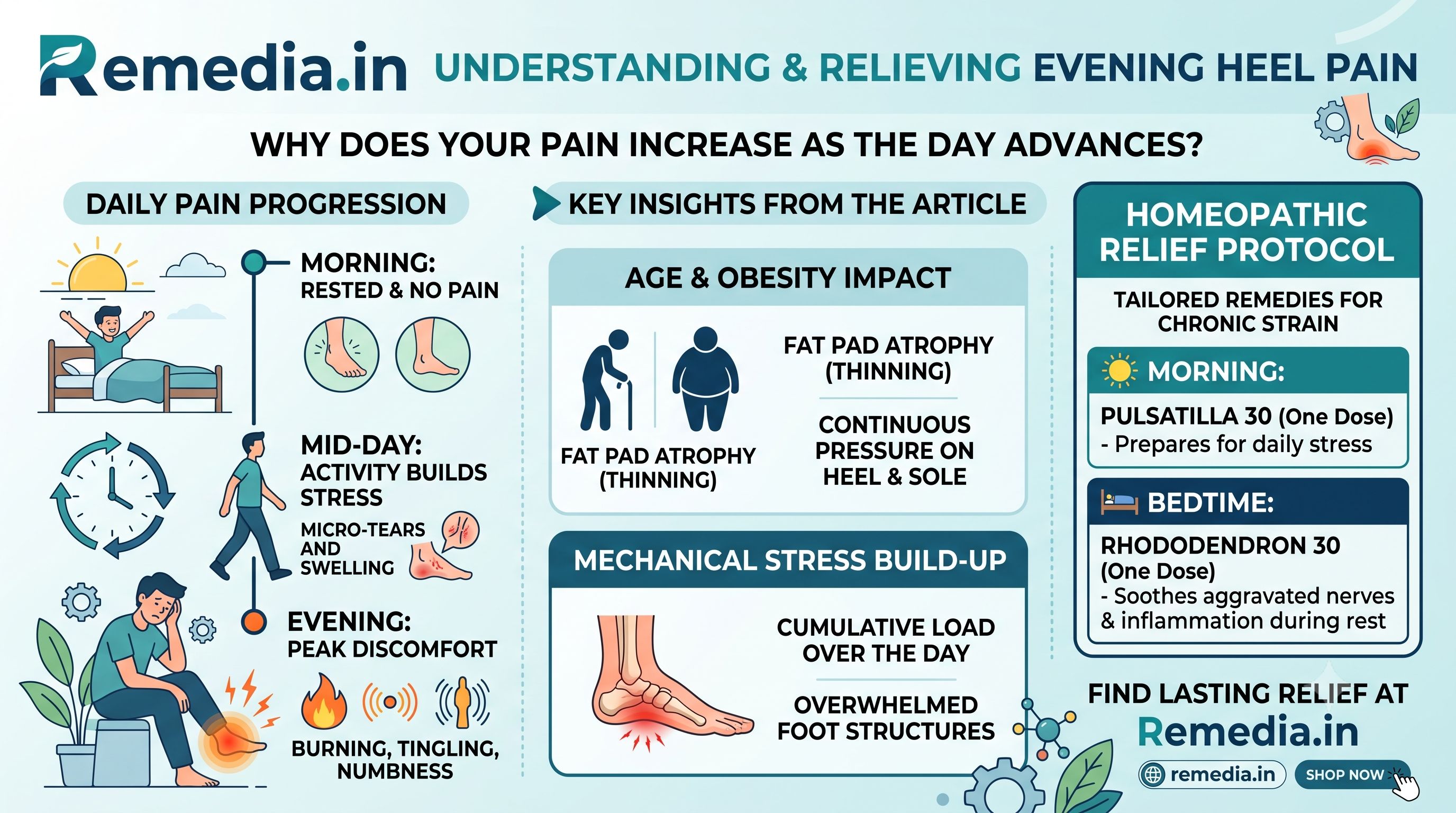
This severe pain in the soles of the feet is particularly prevalent in people of advancing age, as well as those who are obese.
As we age, the protective fat pad situated beneath the heel bone gradually begins to thin out and lose its elasticity. This natural atrophy means the heel has less cushioning to absorb the repetitive impacts of walking or standing. When this age-related change is combined with obesity, the mechanical stress on the feet is magnified exponentially. Excess body weight forces the arches of the feet to flatten and puts immense, continuous pressure on the heel and the sole, accelerating the deterioration of supportive tissues.
Identifying the Symptoms: Beyond Just Aching
Heel pain rarely presents as a simple, uniform ache. The nervous system and vascular network in the lower extremities are highly sensitive, meaning that inflammation or compression in the foot often manifests through a variety of strange and uncomfortable sensory signals.
Patients often report a feeling of warmth or cold in the affected area, alongside secondary symptoms such as tingling, burning, or numbness.
These specific sensations—particularly the burning and tingling—are strongly indicative of nerve involvement. When the tissues in the foot swell due to the immense pressure of bearing weight, they can compress the nearby nerves, such as the posterior tibial nerve. This nerve compression, often referred to as peripheral neuropathy or Tarsal Tunnel Syndrome, disrupts normal sensory feedback to the brain, replacing standard pain signals with the sensation of extreme temperature changes or a loss of feeling entirely.
The Daily Cycle of Discomfort
One of the most crucial factors in diagnosing the root cause of foot ailments is tracking how the discomfort fluctuates throughout a 24-hour period. Different structural issues present entirely different timelines of pain.
For this specific type of ailment, there is typically no pain until the patient walks in the morning. However, the pain may increase as the day advances.
This pattern is a hallmark of fatigue-induced or load-bearing inflammation. Unlike classic plantar fasciitis—which usually causes agonizing sharp pain during the very first steps out of bed and then loosens up—this specific progression indicates that the foot's structures are slowly becoming overwhelmed by the day's activities. As the person continues to stand, walk, and carry their body weight, the micro-tears in the tissue and the swelling around the nerves progressively worsen. By the late afternoon or evening, the accumulation of mechanical stress reaches its peak, resulting in maximum discomfort.
Fortunately, this escalating discomfort reduces on sleep.
When the body is at rest horizontally, the feet are completely relieved of gravity and body weight. This prolonged period of non-weight-bearing allows the inflamed tissues to temporarily calm down, the localized swelling to subside, and the compressed nerves to recover.
Analyzing Pain Patterns: Morning vs. Evening
To better understand how this specific condition differs from other common foot ailments, we can compare the diagnostic characteristics of daily pain cycles.
Diagnostic Feature | Morning-Dominant Heel Pain (e.g., Plantar Fasciitis) | Evening-Dominant Heel Pain (e.g., Weight/Age-Induced Strain) |
|---|---|---|
Peak Pain Timing | Immediately upon waking and stepping out of bed. | Late afternoon or evening after prolonged activity. |
Pain Trajectory | Sharp initially, but gradually lessens with movement. | Starts mild or non-existent, escalating steadily over hours. |
Primary Sensations | Sharp, stabbing, or tearing feeling in the heel center. | Burning, tingling, numbness, and deep aching in the soles. |
Effect of Rest | Sitting for short periods can cause pain to return upon standing. | Prolonged rest (like a full night's sleep) heavily reduces symptoms. |
Traditional and Alternative Treatment Strategies
Managing chronic foot issues requires a multifaceted approach that addresses both the immediate symptoms and the underlying mechanical stressors. While weight management and supportive footwear with proper arch and heel cushioning are critical long-term strategies for obese or aging individuals, many seek out remedies to manage their daily discomfort.
In homeopathy, specific remedies are often tailored to the exact timing and sensation of the patient's symptoms. For cases where sensory nerve issues and fatigue-based pain are dominant, specific protocols have been observed to be highly beneficial.
A recommended homeopathic approach involves taking PULSATILLA 30 for one dose in the morning, followed by RHODODENDRON 30 for one dose at bedtime, which gives speedy relief in several cases.
This combination aims to address the cyclical nature of the pain. The morning dose is intended to prepare the body's inflammatory response for the impending mechanical stress of the day, while the nighttime dose works in tandem with the body's natural restorative sleep cycle to clear inflammation and soothe aggravated nerves.
Conclusion
Heel pain is a complex condition that requires careful attention to daily habits, body weight, and symptom timelines. By understanding the unique way this pain builds as the day advances and acknowledging the distinct sensory symptoms like burning or numbness, patients can better communicate with their healthcare providers. Whether utilizing orthotic support, lifestyle modifications, or treatments, finding the right combination of therapies is essential for returning to a pain-free, active life.
Don't self-treat a serious condition
Conditions like this deserve a doctor's eye. Start an online consultation and get a treatment plan suited to you.
Start Consultation