Understanding Arthritis: A Simple Guide
Stiffness that is worse in the morning, pain that shifts with the weather, joints that feel better with movement or worse with it -- these details matter.
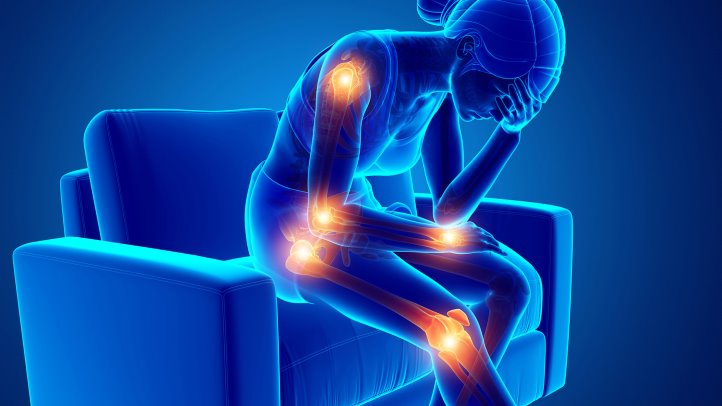
Arthritis is a very common health condition that causes inflammation (swelling, pain, and heat) in your joints. While many people speak of arthritis as a single disease, there are actually around 200 different forms.
When a joint becomes inflamed, it can make movement painful, stiff, and difficult.
The Two Main Types of Arthritis
Although there are many forms, two types make up the vast majority of cases: Osteoarthritis and Rheumatoid Arthritis.
1. Osteoarthritis ("Wear and Tear" Arthritis)
What is it?
Osteoarthritis occurs when the smooth, protective tissue (called cartilage) at the ends of your bones wears down. Without this cushion, bones begin to rub directly against each other, leading to pain and inflammation.
Most affected joints: Fingers, knees, hips, and the spine.
Other affected joints: Wrists, elbows, shoulders, and ankles.
Risk factors: Joints that have been previously injured or heavily overused are most susceptible.
Why does it happen?
While the exact trigger isn't entirely clear, mechanical stress on a joint can cause the body to release high levels of certain natural chemicals. This disrupts the body's natural balance of building and repairing cartilage.
Cartilage breaks down faster than it can be rebuilt.
To make up for the loss, the body tries to repair the area by growing new bone.
This extra bone causes the ends of the bones to thicken, creating visible hard bumps or lumps (most commonly on hands and feet).
This ongoing cycle of damage and repair causes persistent pain.
What are the symptoms?
Slow onset: Symptoms usually develop gradually over time.
Post-activity aching: Early on, joints might ache after hard physical work or exercise.
Stiffness: Joints often feel stiff after long periods of resting or staying still.
Crunching sensation: Moving the joint might create a sound or feeling of bone rubbing against bone (known as crepitus).
Swelling and tenderness: Over time, pain and swelling may become constant or come and go in waves.
2. Rheumatoid Arthritis (An Autoimmune Condition)
What is it?
Rheumatoid arthritis is an autoimmune disease. Instead of just protecting you from infections, your immune system mistakenly attacks your body’s own healthy tissues—specifically the lining of your joints (called the synovium).
System-wide impact: Unlike osteoarthritis, rheumatoid arthritis can also affect other organs, including the blood, lungs, and heart.
Joint distortion: Over time, affected joints can lose their normal shape, making movement difficult or restricted.
Why does it happen?
The exact cause is unknown, but researchers know that:
Genetics: Family history plays a role, though not everyone with the gene develops the condition.
Triggers: In some cases, a bacterial or viral infection may trigger the immune system malfunction.
What are the symptoms?
Joint pain and swelling: Joints feel tender, swollen, warm, and stiff.
Flare-ups: Symptoms may persist for a long time or suddenly worsen ("flare up") and then temporarily settle down ("remission").
Severity: In severe cases, it can cause long-term joint damage and disability.
How is Arthritis Treated and Managed?
While there is no single cure for arthritis, a combination of lifestyle choices, medications, and medical procedures can help manage pain and keep you active.
1. Lifestyle & Physical Therapy
Balanced Diet: Eating a nutritious, well-rounded diet helps reduce systemic inflammation and manage body weight, taking pressure off painful joints.
Exercise: Regular, low-impact exercise strengthens the muscles around the joints to provide better support.
Physical Therapy: Specialized exercises guided by a therapist help improve flexibility, mobility, and joint function.
2. Medications & Remedies
A variety of medications are used to relieve pain and reduce joint inflammation.
Thuja Occidentalis-30: 1 drop in $\frac{1}{2}$ cup of water, taken once every week.
Guaiacum-Q: 1 drop in $\frac{1}{2}$ cup of water, taken twice daily after meals.
Other commonly referenced remedies: Aconite Nap., Act.r. (Actaea Racemosa), Bry. (Bryonia), Bellad. (Belladonna), and Rhus tox.
Note: Remedies should be discussed with a certified practitioner to ensure safe dosage and compatibility with other medical treatments.
3. Surgical Options
When joint damage is severe and non-surgical treatments no longer provide relief, surgery may be considered:
Arthroplasty (Joint Replacement): Rebuilding or replacing a damaged joint with artificial materials (like knee or hip replacements).
Arthroscopy: A minimally invasive procedure using tiny instruments and a camera to clean out loose cartilage or growths causing pain inside the joint.
Osteotomy: Reshaping or cutting bones to correct joint misalignments, commonly performed on knees or hips in younger patients.
Synovectomy: Surgical removal of the inflamed or diseased lining (synovium) of the joint.
Arthrodesis (Joint Fusion): A procedure that fuses the bones of a joint together to stop painful movement and stabilize the joint.