Understanding Croup & Homeopathic Remedies
Learn how to recognize the sudden onset of croup in children and explore a comprehensive guide to homeopathic remedies. This reference details indications, triggers, and key modalities for remedies such as Aconite, Spongia, Hepar Sulph, Drosera, and more for effective respiratory relief.
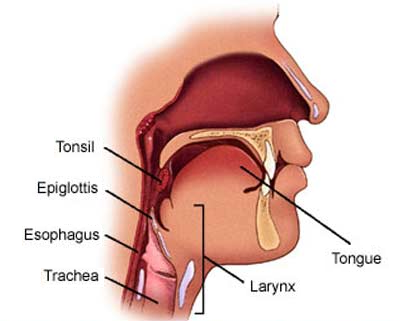
Note: Homeopathy is considered a safer and superior form of medicine. If your child exhibits severe symptoms, select an indicated remedy from the guide below or consult your family homeopath.
The Clinical Scenario: Recognizing Croup
Frequent Colds: The child frequently or constantly suffers from a cold.
Rapid Onset: A mild state quickly escalates within minutes into severe coughing.
Sudden Night Attacks: The baby goes to sleep feeling fine, but suddenly wakes up around 4:00 AM – 5:00 AM with a very sore, continuous cough.
Severe Distress: Within minutes, the cough leads to breathlessness, leaving the child unable to speak.
Diagnosis: A doctor’s examination identifies this condition as croup.
Comprehensive Guide to Remedies
1. Primary Croup Remedies
Aconite
Cough: Hard, dry, and barking cough that can be heard throughout the entire house.
Expectoration: Little to no expectoration.
Triggers & Modalities: Brought on by exposure to dry, cold winds.
Associated Symptoms: Accompanied by difficult breathing, extreme anxiety, and fever.
Spongia Tosta
Breathing: Harsh and hard, sounding as though the patient is breathing through a sponge.
Cough: Hard, barking, ringing, metallic cough with scanty expectoration. The cough feels as if it grows tighter every minute, threatening suffocation.
Modalities: Worse from deep breathing; accompanied by a sensation of weakness. Relieved by warm drinks.
Hepar Sulphuris
Cough: Hoarse, croupy cough with a distinct "loose edge." The phlegm feels loose yet causes choking.
Modalities: Aggravated by exposure to cold air and drinking cold water.
Key Distinctions:
vs. Belladonna: Hepar Sulph lacks the laryngeal soreness and high fever of Belladonna.
vs. Conium: The point of irritation is higher in the throat.
vs. Rumex: It is not influenced or triggered by respiration.
vs. Lachesis: The cough is not excited by external pressure on the larynx.
Bromine
Cough & Breathing: Rattling respiration. It sounds as though each cough will raise a large quantity of mucus, but when the cough occurs, it is deep, hard, and unproductive.
Iodium
Characteristics: Very similar to Bromine (hoarse voice, difficult inspiration, child grasps at the throat).
Distinctions: Caused by prolonged damp weather, presents with higher fever than Bromine, and aligns with the typical Iodium constitution/temperament.
Kalium Bichromicum
Croup Manifestation: Indicated in true membranous croup with a metallic sound to the cough, labored breathing, rattling of mucus, and smothering spells.
Characteristics: Hard, barking cough seeming to originate in the epigastrium. The disease has a tendency to extend downward.
Expectoration: Yellow, stringy, tough mucus that is difficult to raise.
Kaolin
Indications: An infrequently used remedy, indicated in croup where the pathology tends to spread downward into the trachea and upper chest.
2. Spasmodic & Whooping Cough Remedies
Drosera
Cough: Spasmodic cough appearing in the evening. In whooping cough, paroxysms are so frequent that the patient cannot catch their breath.
Stomach: Every effort to raise phlegm results in vomiting.
Key Sign: The patient must hold their sides with their hands during cough paroxysms.
(Similar symptom in Eupatorium perfoliatum and Natrum sulphuricum).
Coccus Cacti
Indications: Especially indicated in whooping cough.
Expectoration: Unlike Kalium bichromicum (yellow/stringy), the mucus here is clear, ropy, and albuminous.
Vomiting: Paroxysms end with the vomiting of clear, ropy mucus that hangs in long strings from the mouth.
Corallium Rubrum
Cough: Known as the "minute gun" cough—short, dry, ringing paroxysms that follow one another in rapid succession.
Impact: Takes the child’s breath away, leaving them completely exhausted once the fit ends.
vs. Mephitis: Mephitis is chosen when catarrhal symptoms are slight but the whooping sound is prominent.
Cuprum Metallicum
Indications: Rapidly repeating paroxysms of whooping cough accompanied by spasms that threaten suffocation.
Modalities: Both the cough and the vomiting are relieved by drinking cold water.
Magnesia Phosphorica
Characteristics: True spasmodic cough coming on in paroxysms without expectoration.
Whooping Cough: Worse at night, accompanied by difficulty lying down.
3. Remedies Relieved or Aggravated by Posture & Temperature
Bryonia
Mechanism: Caused by irritation in the epigastric or suprasternal region.
Symptoms: Dry, painful cough that hurts distant areas (such as the head); the patient presses their hands against their sides/chest to relieve the pain.
Respiration & Larynx: Deep, hoarse voice; breathing is hoarse, rasping, and whistling with rattling in the larynx (sounds full of mucus). Inhaling triggers the cough.
Modalities & Phlegm: Aggravated in a warm room. Expectoration is scanty, yellowish, or streaked with blood.
Phosphorus
Symptoms: Dry, tickling cough caused by irritation in the larynx and under the sternum, accompanied by intense rawness in the larynx.
Modalities: Worse when moving from a warm room into the cold (or during sudden warm-to-cold changes), worse from talking, and worse at night when lying down.
Rumex Crispus
Characteristics: Teasing, persistent night cough caused by tickling in the suprasternal fossa; also indicated in the night cough of phthisis.
Modalities: Aggravated by cold air and lying down at night. The patient is forced to cover their head with bedclothes to breathe warm air for relief.
Conium Maculatum
Characteristics: Dry, spasmodic, hacking cough caused by a sensation of a dry spot in the larynx; fatiguing in elderly individuals.
Modalities & Symptoms: Aggravated at night upon lying down (forces the patient to sit up). Mucus cannot be expectorated and must be swallowed.
Hyoscyamus Niger
Distinctions: Similar night cough to Conium (worse lying down, relieved by sitting up), but lacks the "dry spot" sensation.
Causes & Triggers: Often caused by an elongated uvula; aggravated by eating, drinking, and talking.
Sticta Pulmonaria
Characteristics: Hard, dry, barking, almost croupy cough with little or no expectoration; caused by severe dryness high up in the pharynx.
Modalities: Aggravated at night, but not worsened specifically by lying down.
Kalium Sulphuricum
Symptoms: Marked rattling of mucus in the chest.
Modalities: Aggravated in a warm room; relieved in cool, open air.
4. Remedies with Distinct Modalities & Reflex Symptoms
Causticum
Key Features: Tickling cough with extensive rawness in the throat, hoarseness, and loss of voice.
Reflex: Frequently causes involuntary spurting of urine during coughing.
Modalities: Relieved by drinking cold water.
Squilla (Scilla)
Symptoms: Violent cough with heavy mucus in the chest; sharp, sticking pains in the sides that worsen while coughing. The patient coughs for a long time before raising a small amount of mucus, which brings relief.
Reflex: Accompanied by involuntary spurting of urine during the cough.
(Note: Natrum muriaticum also features involuntary urination during coughing).
Belladonna
Symptoms: Dry, hacking cough in violent paroxysms, triggered by a tickling in the larynx (as if caused by dust).
Associated Signs: Severe chest pain and expectoration of blood-tinged mucus.
Ignatia Amara
Characteristics: Purely nervous, dry, spasmodic cough occurring in quick, successive shocks (feels like a feather in the throat).
Peculiarity: The more the patient coughs, the greater the urge to cough becomes; it can only be arrested through a conscious effort of will. Occurs in the evening upon lying down.
Calcarea Carbonica
Symptoms: Cough provoked by a feather-like tickling in the throat, accompanied by piercing chest pain.
Progression: Dry in the beginning, later producing profuse, salty expectoration.
Sepia
Characteristics: Cough seemingly originating from the stomach or abdomen, accompanied by stitches in the epigastrium and salty expectoration.
Whooping Cough: Accompanied by vomiting of bile; chest soreness during the cough is relieved by applying external pressure.
Eupatorium Perfoliatum
Symptoms (Similar to Bryonia): Cough causes pain in the head and chest, forcing the patient to hold the chest with their hands.
Associated Signs: Soreness in the larynx, hoarseness, and severe aching in the loins.
5. Additional Cough & Respiratory Remedies
Antimonium Tartaricum
Cough: Loud, loose-sounding rattle in the chest and trachea, but no phlegm is raised despite the effort.
Systemic Signs: Whistling respiration, loud mucus rales, marked prostration (weakness), and severe dyspnea.
Aralia Racemosa
Characteristics: Spasmodic night cough that comes on shortly after the first sleep; relieved once tough mucus is expectorated.
Opium
Characteristics: Dry, tickling cough that is markedly worse at night and relieved by drinking water.
Nitricum Acidum
Characteristics: Dry, tickling night cough, frequently felt as originating from one specific spot in the larynx.
Sulphur
Characteristics: Cough aggravated towards morning with rattling mucus; the slightest exposure to air triggers a fit. Indicated when the cough begins to loosen ("loose edge").
Laurocerasus
Characteristics: Dry, teasing cough at night with blood-tinged expectoration; marked lack of vitality/reaction in chest conditions.
Verbascum
Characteristics: Hard, harsh, barking tracheal/laryngeal cough accompanied by hoarseness.
Ambra Grisea
Characteristics: Purely nervous cough that is noticeably worse in the presence of strangers.
Hydrocyanic Acidum
Characteristics: Useful for the dry, hacking cough seen in consumptive patients (phthisis).
Sambucus & Chlorine
Characteristics: Specifically indicated when there is acute spasm of the glottis.
Summary Reference: Cough Worse at Night on Lying Down
Silicea
Phosphorus
Lycopodium
Conium
Rumex
Hyoscyamus