Chikungunya Unmasked: The Virus, The Bone-Breaking Pain, and How to Treat It
Discover the origins, severe joint pain symptoms, and traditional homeopathic remedies for Chikungunya, along with essential modern medical facts and recent vaccine updates you need to know.
Don't self-treat a serious condition
Conditions like this deserve a doctor's eye. Start an online consultation and get a treatment plan suited to you.
Start ConsultationWhat is Chikungunya?
Chikungunya is a viral illness that presents with symptoms remarkably similar to Dengue fever.
The Virus: It is an insect-borne virus belonging to the genus Alphavirus.
Discovery: The virus was first discovered in 1953 in East Africa during an epidemic of a dengue-like disease.
Global Spread: Since its discovery, it has been found in South India and South-East Asia, often associated with epidemics of dengue and haemorrhagic fever.
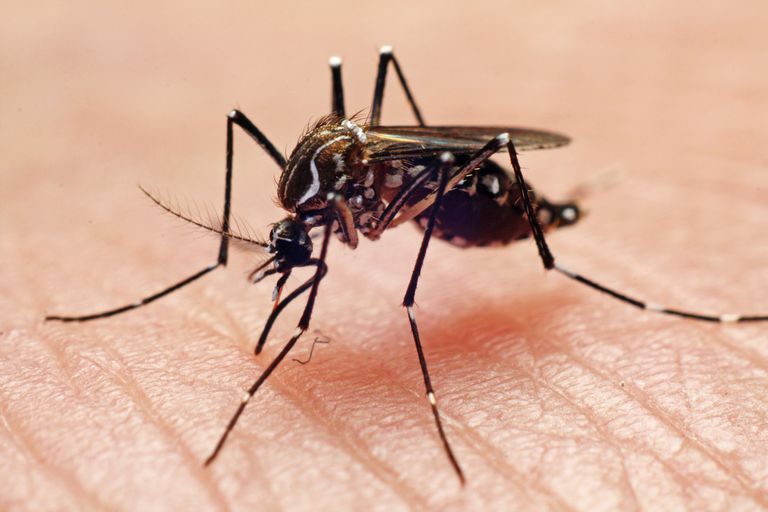
Transmission: It is transmitted to humans by virus-carrying mosquitoes. In East Africa, both Aedes aegypti and Aedes africanus act as vectors.
The name "Chikungunya" comes from the Kimakonde language, meaning "to become contorted." This describes the stooped posture of patients suffering from severe joint pain.
The typical incubation period—the time between the mosquito bite and the start of symptoms—is usually 3 to 7 days.
Disease Progression & Symptoms
The illness typically occurs in two main phases:
Acute Febrile Phase: A sudden, short-lived phase of fever lasting two to five days.
Prolonged Arthralgic Phase: Following the fever, patients experience intense joint pain (arthralgia) primarily affecting the extremities. This joint pain is persistent and can last for weeks, months, or in some cases, years.
Traditional & Homeopathic Treatments
(The following remedies and their specific symptom targets are documented for traditional/alternative treatment of related febrile and malarial symptoms.)
1. Cornus Florida
General Symptoms: General debility from loss of fluids and night sweats, great exhaustion between symptom intervals, and general clammy sweat. Patient feels cold but is warm to the touch.
Fever & Chills: Intermittent fever accompanied by drowsiness. Both the chill and heat phases are linked to drowsiness.
Pain: Neuralgic (nerve) pains in the arms, chest, and trunk. Gives a sensation as if the body is "broken in two." Headaches specifically occurring after taking quinine.
Digestive: Indigestion and distressing acid heartburn.
Other Uses: Chronic malaria.
2. Cornus Circinata
General Symptoms: Weakness in the morning.
Digestive/Liver: Pain in the pit of the stomach with a distended abdomen. Used for hepatitis, jaundice, and chronic liver disease.
Skin/Mouth: Vesicular (blister-like) eruptions associated with liver disease or aphthous stomatitis (canker sores).
Other Uses: Chronic malaria.
3. Helianthus Annuus (Sunflower)
General Symptoms: Redness and heat of the skin. Symptoms are aggravated by heat and relieved by vomiting.
Pain: Rheumatic pain specifically in the left knee.
Respiratory/Nasal: Coryza (head cold), catarrh (mucus buildup), nasal haemorrhage (nosebleeds), and thick scabs in the nose.
Digestive: Marked effects on the stomach with nausea and vomiting. Congestion and dryness of the mouth and pharynx. Black stools (similar to Leptandra). It acts as a spleen remedy.
Other Uses: Old cases of intermittent fever.
4. Eupatorium Perfoliatum
General Symptoms: Sluggishness of all organs and functions. Worn-out constitutions resulting from inebriety (alcoholism). Cachexia (wasting syndrome) from old, chronic, bilious intermittent fevers. Marked periodicity of symptoms (similar to Ars, China, Cedron).
Pain: Relieves pain in limbs and muscles accompanying febrile diseases like malaria and influenza. Highly effective for conditions involving severe, general bone-pain and soreness.
Best Suited For: Patients in "miasmatic" districts—regions along rivers, marshes, and swamps.
In modern allopathic medicine, there is no specific antiviral drug to cure Chikungunya. Treatment focuses on relieving symptoms through rest, hydration, and over-the-counter medications like paracetamol (acetaminophen) for fever and pain.
Health authorities strongly advise against using aspirin and non-steroidal anti-inflammatory drugs (NSAIDs like ibuprofen) until Dengue fever has been definitively ruled out, in order to reduce the risk of severe bleeding.
Don't self-treat a serious condition
Conditions like this deserve a doctor's eye. Start an online consultation and get a treatment plan suited to you.
Start Consultation