Sepia Succus in Homeopathy: Complete Materia Medica, Uses & Symptoms
Explore the comprehensive homeopathic profile of Sepia Succus. Learn about its key symptoms, constitutional traits, and highly effective uses for female reproductive health, digestive issues, and skin conditions.
Don't self-treat a serious condition
Conditions like this deserve a doctor's eye. Start an online consultation and get a treatment plan suited to you.
Start ConsultationOrigin and Action
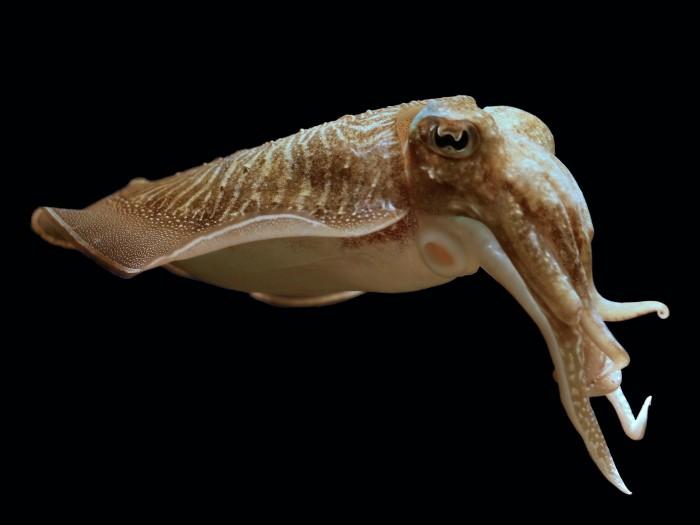
Sepia, commonly known as Sepia succus, is derived from the dark, inky secretion of the cuttlefish, which the marine animal dynamically ejects when pursued by enemies to cover its escape. Dr. Samuel Hahnemann, the founder of homeopathy, introduced Sepia into practice after observing an artist friend who chronically licked his paintbrushes dipped in cuttlefish ink, subsequently developing profound physical and mental exhaustion.
Constitution and Pathology
This remedy is classically suited to tall, slim females with narrow pelvises. A common homeopathic aphorism states: "Tall women, Sepia; tall men, Phosphorus." Physiologically, Sepia causes a profound venous plethora—a sluggish congestion of blood—that begins in the portal (liver) systems and ultimately spreads throughout the entire body. Because of this sluggish circulation, the Sepia patient is notably chilly, frequently complains of cold hands and feet, and constantly craves warmth. This venous congestion accounts for many of its characteristic symptoms. The most prominent keynotes of Sepia are severe weakness, a yellow complexion, and a distinct "bearing-down" sensation. A fascinating modality of this remedy is that violent motion actually relieves the symptoms, and patients generally experience an amelioration of their ailments in the middle of the day.
Mental Profile
The psychological state of Sepia is marked by a weak memory, a deep sense of helplessness, and a great susceptibility to excitement and terror. The patient often sinks into despair. A unique contradiction exists in their social desires: she dreads being alone and wants company, yet simultaneously has a strong aversion to her own friends. This profound emotional indifference often extends to her most loved ones—her spouse and children—creating feelings of guilt. Furthermore, she becomes completely indifferent to her household affairs.
Head and Face Symptoms
Sepia headaches typically commence in the morning and steadily increase in severity. They are accompanied by sadness and tearfulness, and are relieved by sleep, violent motion, or being in the open air. Menstrual headaches are common, usually accompanied by a scanty flow. On the face, Sepia produces a very characteristic yellow saddle-like discoloration across the bridge of the nose.
Digestive System
The digestive tract shows a white-coated tongue with a sour or putrid taste in the mouth. The patient suffers from an "all-gone," sinking feeling in the stomach that is uniquely not relieved by eating. They experience nausea at the mere sight or smell of food, and often feel a sensation of a lump in the stomach. (In contrast, the remedy Colchicum features nausea at the thought of food). There is a great, intense longing for acids or pickles. Despite the craving for sour flavors, the Sepia patient typically has a strong aversion to meat, fat, and milk, which heavily aggravate their digestion.
Constipation is a major feature; there is no desire or urging for days on end. Stools are hard and large. There is a distinct inactivity of the rectum accompanied by the sensation of a ball resting inside it. The patient cannot strain, and consequently, cannot expel the stool.
Urinary and Male Reproductive Organs
The bladder is highly irritable, leading to the involuntary escape of urine during the first sleep. The urine itself is acid, fetid, and leaves a red sediment. While both Causticum and Sepia feature enuresis in the first sleep, Causticum is generally more indicated in boys and in all male sexual disturbances. In Causticum, the enuresis occurs in the daytime as well as at night, features a paralytic weakness of the sphincter vesicae, and shows a great sensitiveness to cold air—which is not marked under Sepia. In men requiring Sepia, there is an overarching weakness of the sexual organs, alongside gleet (a watery discharge) that is scanty in the morning. Both sexes requiring Sepia often experience a complete loss of libido or extreme exhaustion following intercourse.
Female Reproductive Organs
Sepia acts prominently on the uterine organs. Females experience immense weakness and a severe bearing-down sensation, feeling as if everything would protrude from the vulva. This compels the patient to sit tightly with her limbs crossed for physical support. She experiences sharp, clutching pains—as if the uterus is clutched with a hand—and there may be enlargement and hardening of the uterus. Menses can manifest in almost any combination, though late and scanty is the most frequent presentation; they may also be early and scanty, or early and profuse.
Respiratory and Musculoskeletal Systems
The Sepia cough seems to originate deep in the stomach or abdomen. It is characterized by salty expectoration and is attended by sharp stitches in the epigastrium. In whooping cough, there is vomiting of bile and severe soreness of the chest during the cough, which is notably relieved by applying pressure.
In cases of sciatica, Sepia experiences aggravation from sitting or getting up from a seat. Pain often worsens after violent exertion, though at times, such exertion relieves it. The patient experiences lancinating stitches and must get out of bed to find relief.
Skin Conditions
Dermatologically, Sepia produces vesicular eruptions around the mouth and chin. It is highly indicated for ringworms (whereas Tellurium is indicated for ringworms with an offensive discharge). The skin features yellow spots and liver spots on the abdomen and chest, along with herpetic conditions located specifically about the knees and ankles.
Comprehensive Clinical Indications Sepia is a deeply acting polycrest, highly useful in treating the following conditions:
Mind & Nervous System: Affections of the mind, apoplexy, chorea, hysteria, neuralgia, sciatica.
Head, Face & Senses: Baldness, dandriff, affections of the eyes, ptosis, stye, yellow face, chloasma (pigmentation), freckles, inflamed/swollen nose, epistaxis (nosebleeds), ozaena, sense of smell too acute or disordered, toothache.
Digestive & Hepatic: Depraved appetite, dyspepsia, induration of the pylorus, torpid liver, jaundice, ascarides (pinworms), pressure of the anus, fissure of the rectum, cancer of the rectum.
Urinary & Male: Irritable bladder, cystitis, gravel, incontinence of urine, gleet, gonorrhoea, phimosis, spermatorrhoea.
Female & Reproduction: Disordered menstruation, amenorrhoea, dysmenorrhoea, leucorrhoea, bearing down in the uterus, disorders of pregnancy, vomiting of pregnancy, change of life (menopause).
Respiratory & Chest: Pleurisy, whooping-cough, quinsy.
Skin & Extremities: Eczema, herpes circinatus, liver-spots, pityriasis versicolor, pruritus, psoriasis, ringworm, seborrhoea, condylomata, warts, pains under the nails, varicose veins, pain in the sacrum.
General: Effects of alcohol, cancer, general irritation.
Don't self-treat a serious condition
Conditions like this deserve a doctor's eye. Start an online consultation and get a treatment plan suited to you.
Start Consultation