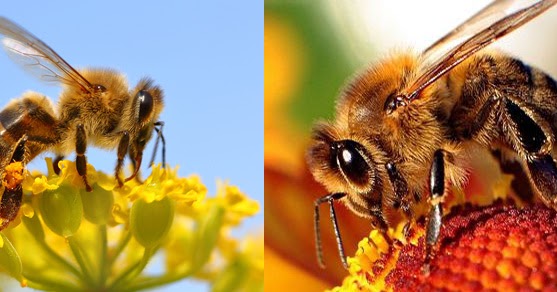
Understanding Apis Mellifica (The Honey Bee)
Discover the complete homeopathic guide to Apis Mellifica. Learn its key symptoms, uses for swelling, and heat intolerance, plus top homeopathic remedies for rapid toothache relief.
Don't self-treat a serious condition
Conditions like this deserve a doctor's eye. Start an online consultation and get a treatment plan suited to you.
Start ConsultationApis Mellifica is a powerful homeopathic remedy prepared from the whole honey bee, whereas Apium virus specifically refers to the triturated clear poison of the bee. Apis Mellifica belongs to the animal kingdom of homeopathic remedies and is considered one of the most prominent "polycrests," frequently utilized in acute medical situations.
The general action of this remedy perfectly mimics the effect of a bee sting. It is characterized by rapid swellings with redness, burning, and stinging pains. It is a primary remedy for edema (swelling) of any part of the body, edematous infiltrations, serous inflammations, and dropsies (abnormal fluid accumulation).
Key Characteristics and Modalities
Aggravations (Worse From): Heat is intolerable to the Apis patient. They are aggravated by warm drinks, warm rooms, warm clothing, radiated heat, and hot baths. Symptoms frequently worsen in the late afternoon, specifically from 4:00 PM to 6:00 PM. They also experience great tenderness to touch or contact.
Ameliorations (Better From): Cold applications, washing with cold water, and open, cold air bring significant relief.
Thirstlessness: Dropsies and fevers are characteristically accompanied by a complete lack of thirst. The thirstlessness of Apis is a key distinguishing factor from other burning and swelling remedies like Arsenicum Album, which typically presents with a restless thirst for small, frequent sips of water.
Pains: Burning, stinging pains (like fire or as if needles/splinters are sticking in), especially affecting the skin, and mucous or serous membranes. Bruised sensations are also common.
Right-Sided Affinity: It is predominantly a right-sided remedy, particularly in ovarian and facial affections, often moving from right to left (unlike Lachesis, which moves left to right).
Mental and Emotional Symptoms
The Apis patient is notoriously fidgety, awkward, and clumsy—frequently dropping things due to a disturbance in nervous coordination (especially in the hands, toes, and limbs). They may appear silly, laughing, or intensely jealous. There is profound sadness, constant tearfulness without cause, weeping day and night, and an inability to sleep due to tantalizing, worrying thoughts.
In severe pathologies like congestion of the brain or meningitis, the patient may lie in a stupor or semi-conscious state. You may observe unilateral twitching (one side twitching, the other motionless), the head rolling from side to side or drawn back rigidly, and pupils either contracted or dilated. A hallmark symptom in brain troubles is the cri encéphalique (the brain cry)—a sudden, sharp, shrill scream during sleep or sopor, often linked to suppressed eruptions. The child will kick off the covers because heat is intolerable. Ailments frequently arise from fright, rage, vexation, jealousy, or hearing bad news.
Head, Face, and Eye Symptoms
Eyes: Erysipelatous inflammations that leave the mucous membranes thickened. Asthenopia and chemosis (puffiness of the conjunctiva showing edema). Swelling of the eyelids, especially under the eyes. (Compare: Kali carb has swelling over the upper lid like a little bag, mostly in the morning). Burning, stinging tears gush out. Photophobia is marked; patients are worse from looking at open fires, radiated heat, white objects, or snow.
Face: Greatly swollen and edematous. Erysipelas often begins on the right side of the face and extends over the nose to the left, taking on a rosy, pinkish hue that may become livid and purple. The skin feels bruised and sore.
Mouth, Throat, and Respiratory Tract
Mouth: Glossitis (inflammation of the tongue) with great swelling and vesicles on the tips and sides. The tongue feels sore, dry, and may have a raw-beef or denuded appearance. The tongue may sometimes feel as though it has been scalded by hot liquid.
Throat: Massive edema of the throat with stinging pains. The uvula and tonsils look like elongated, semi-transparent bags of water. The throat has a red, varnished appearance. Swallowing is difficult, and breathing is obstructed due to the swelling. The patient craves cold and is worse from warm drinks.
Respiratory: Breathing is tremendously difficult; the patient "does not see how he can get another breath." Tightness across the chest and edema of the lungs. A reflex cough seems to start from a tiny spot in the larynx and is relieved by a little expectoration.
Gastrointestinal and Abdominal Symptoms
The abdomen and stomach are extremely sensitive to touch. The patient experiences a painful sensation of tightness and tension throughout the abdomen, making them bend forward and flex their limbs for relief. The tension is so severe they fear coughing will burst something. There is inflammation of the liver and spleen, with pain under the short ribs (worse on the left side). The intestines feel bruised.
Stools: Thin, watery, yellow, green, or olive-green diarrhea intermingled with blood, mucus, and food, giving it the appearance of tomato sauce. Diarrhea is worse in the morning. The anus frequently protrudes and remains constantly open (similar to Phosphorus and Pulsatilla), with involuntary stools on every movement. Constipation may also occur, where the bowels seem paralyzed for days, often accompanying brain congestion.
Urinary and Reproductive Systems
Urinary: Urine is scanty, suppressed, or comes only in drops with severe straining, burning, and dribbling. It is often loaded with albumen and tube casts. Infants may go a long time without urinating, screeching, and kicking off covers. Apis is a premier remedy for acute kidney inflammation (nephritis) when accompanied by systemic edema and completely suppressed urine. Cantharis and Apis act as antidotes to each other.
Reproductive (Female): A great friend to women. It primarily targets the right ovary (ovaritis, initial cysts, tumors) with burning, stinging, tumefaction, and numbness down the thigh. It is highly effective in stopping abortion (especially in the 1st-3rd months) after physical attempts or drugs (like Ergot) have been used, presenting with uterine hemorrhage, burning/stinging pains, and an intolerance to heat.
Reproductive (Male): Edematous swellings of the scrotum, testicles, or severe swelling of the foreskin (hydrocele).
Skin, Extremities, and Fever
Skin & Dropsy: The skin is waxy, transparent like alabaster, and extremely sensitive to touch. Urticaria (nettle rash) appears as pinkish-white welts that itch and sting intolerably. (Compare: Urtica urens and Terebinth for urticaria from eating shell fish). There is less tendency for pus formation with Apis than with Rhus tox. Apis affects the envelopes or coverings of organs (peritoneum, pericardium, meninges).
Extremities: Joint affections with burning/stinging pains, effusion swelling, and skin that feels tightly stretched.
Fever: Chill without thirst, followed by burning heat and chest oppression. The patient wants doors and windows open. Covering them with a warm blanket makes them worse; a shivering adult or child will actively kick off the covers—a strange but highly peculiar symptom of this remedy.
(Note: Apis is antidoted by Carbolic acid.)
Clinical Case: Diphtheria (by Dr. E.B. Nash)
Patient: 14-year-old girl, light hair, blue eyes, nervous temperament. Sick for several days. Symptoms: Throat almost completely closed by greatly swollen tonsils. Uvula hanging down like an elongated bag of water. The whole throat was highly edematous. Yellowish membrane patched both tonsils, with a ring of it around the uvula. Breath was exceedingly offensive, nose completely stopped (breathing heard across two rooms). Swallowing was nearly impossible due to pain streaking up into both ears. Prostration, restless tossing, sleeplessness, pulse 130. Skin alternately hot and dry, then profusely perspiring.
Treatment: The previous doctor used Belladonna and Merc. prot. to no avail because the epidemic required a different remedy. Dr. Nash prescribed Apis 6th every two hours.
Result: Pulse reduced to 100 within six hours. The disease's progress was instantly checked, and improvement continued until a complete recovery without sequelae. Note: No remedy has such rapid and intense edema of the throat as Apis.
Homeopathic Therapeutics for Toothache
The following remedies are key considerations for varying presentations of tooth pain:
ARNICA MONTANA
Location/Sensation: Pain predominantly in the molars and lower teeth, usually on the left side. Affects decayed teeth and the interior of the gums.
Character of Pain: Beating, pulsating pain. The teeth feel bruised, ulcerated, loose, or as if they are too long. There is a pressing sensation as if from blood congestion, as if the teeth were too close together, or as if they were being pulled, lifted out, or wrenched.
Modalities: Worse from eating, chewing, motion, and touching the teeth. Worse after eating.
Accompaniments: Cheeks are flushed and swollen. Arnica is primarily known as the premier remedy for trauma, shock, and bruising, making it especially useful for toothaches following invasive dental work or extractions.
ARSENICUM ALBUM
Location/Sensation: Painful gums. Sensation as if the teeth are loose or too long.
Character of Pain: Beating, pulsating, bruised, ulcerated, jerking, or twitching pains. Pains frequently extend to the head and ears.
Modalities (Worse): At night (especially after midnight) and in the morning. Worse every seventh day, in winter, from general cold, eating, biting, chewing, lying on the painful side, before menstruation, while nursing, when going to sleep, being talked to, traveling, or being touched.
Modalities (Better): Sitting up in bed, external warmth, warmth of a stove.
Accompaniments: Pale face, swelling of the cheeks.
BELLADONNA
Location/Sensation: Pain mostly in the molars on the right side, specifically in decayed teeth and the gums. Teeth feel as if they are too close together or too long.
Character of Pain: Beating, pulsating, boring, drawing, and tearing pains. Pressing pain from blood congestion. Can be intermittent or constant (day and night). Gums are swollen, bleeding, and ulcerated. Belladonna symptoms typically come on suddenly and violently, with intense localized redness, heat, and throbbing pain.
Modalities (Worse): Worse in the night (mostly after midnight). Aggravated by taking cold, getting wet, cold air, or air drawn into the mouth. Worse in the open air, drinking coffee, after eating, from motion, or touching the teeth (even very softly with food).
Constitutional Affinity: Highly suited for children, women, sensitive/nervous persons, and heavy coffee drinkers. Often indicated during pregnancy, while nursing, or upon awaking from sleep.
Don't self-treat a serious condition
Conditions like this deserve a doctor's eye. Start an online consultation and get a treatment plan suited to you.
Start Consultation