Naja Tripudians in Homeopathy: The Cobra Venom Remedy for Heart & Nervous System
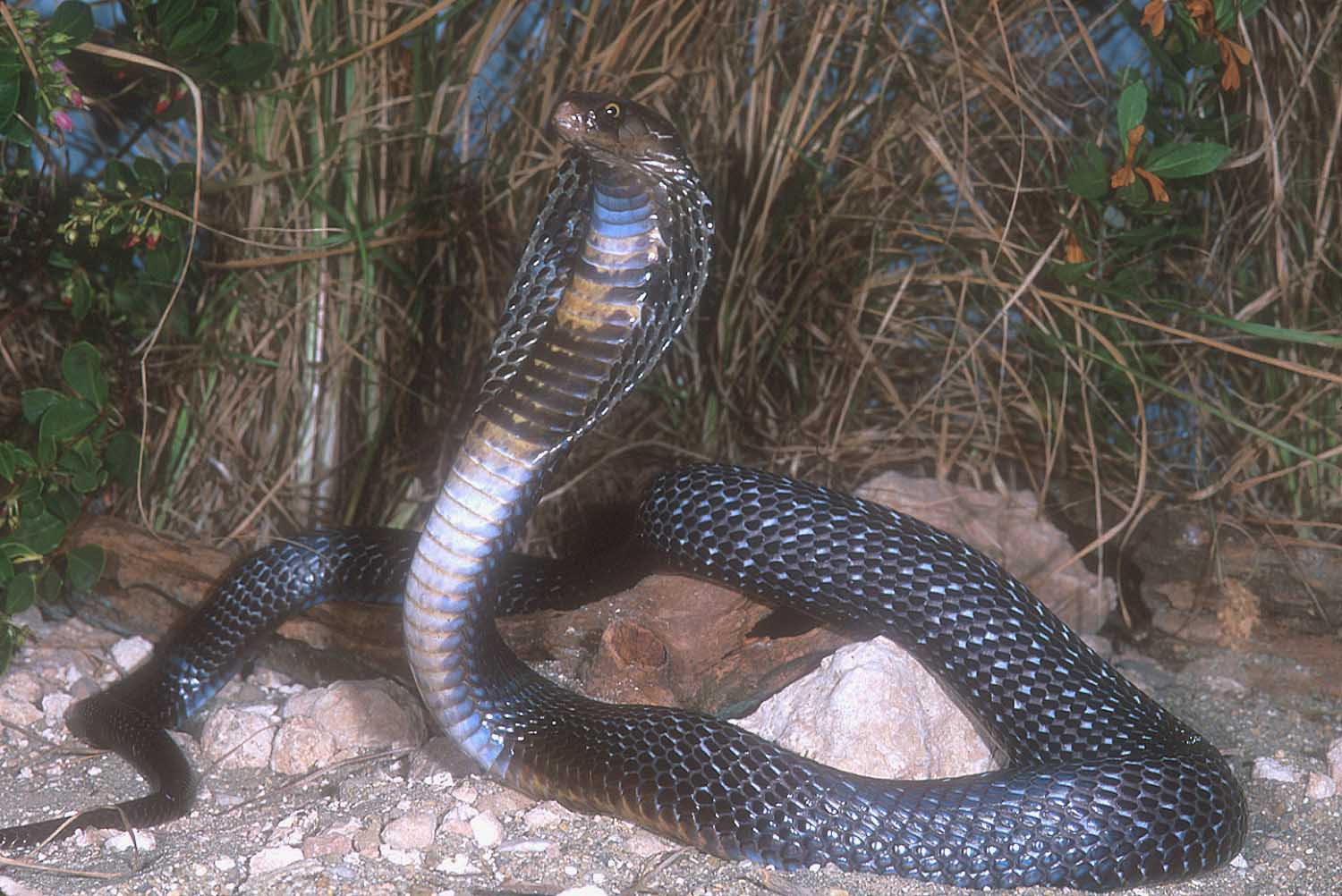
Discover the powerful homeopathic applications of Naja Tripudians, derived from Indian Cobra venom. Explore its profound clinical indications for valvular heart lesions, bulbar paralysis, severe asthma, and deep nervous system disorders without biochemical toxicity.
Don't self-treat a serious condition
Conditions like this deserve a doctor's eye. Start an online consultation and get a treatment plan suited to you.
Start ConsultationNaja tripudians, derived from the venom of the Indian Cobra, is a profound and highly specific remedy in the homeopathic materia medica. In homeopathic practice, the raw venom undergoes a process of serial dilution and succussion (potentization). This pharmaceutical process eliminates all biochemical toxicity while unlocking the substance's deep, energetic healing properties, rendering it completely safe for clinical use.
Unlike its well-known ophidian (snake) relatives like Lachesis and Crotalus horridus, which are primarily hemorrhagic or septic medicines, Naja has a distinctly different pathological footprint. While most snake venoms rapidly break down the blood (hemolysis) leading to widespread systemic sepsis, Naja's primary toxicological action is neurotoxic, leaving the blood largely intact but aggressively targeting the nervous system and cardiac tissues.
The Toxicological Roots: The Bite
Understanding the physiological effects of a cobra bite provides deep insight into the remedy's clinical applications. The victim of a cobra strike frequently bears very little sign of external injury—often, a small scratch or puncture is the only indication where the fangs have worked their havoc. Naja causes intense tissue edema (swelling) rather than hemorrhage. The tissue lying immediately beneath the wound becomes deeply discolored to a dark purple, and a large quantity of viscid, blood-like fluid collects in the vicinity.
The first symptom is an intense burning pain at the site of the bite. In humans, there is typically a deceptive interval—averaging about an hour—before systemic symptoms occur. Once developed, however, the symptoms follow a terrifyingly rapid course. A feeling of profound intoxication is produced, quickly followed by a progressive loss of power over the limbs. The victim is bereft of speech, unable to swallow, and loses all control over the movement of their lips. Saliva is ejected in large quantities, and respiration gradually becomes slower and slower until it eventually ceases entirely. Through this entire ordeal, the victim remarkably remains fully conscious.
This specific progression is known as bulbar paralysis—a condition where the motor neurons of the cranial nerves in the medulla oblongata (the "bulb" of the brainstem) degenerate, specifically disabling the muscles necessary for swallowing, speaking, and breathing.
The Cardiac Sphere: The Heart and Valves
Naja’s most vital clinical application settles directly around the heart. It is a premier remedy for valvular troubles, cardiac hypertrophy (enlargement), and acute or chronic endocarditis—particularly when a damaged heart is the lingering result of severe infectious diseases.
Patients requiring Naja experience marked surges of blood upwards, accompanied by significant dyspnea (shortness of breath) and an absolute inability to lie on their left side. The physical sensation is agonizing: acute pain and a profound sense of oppression at the chest, often described as though a hot iron had been run into the chest and a hundredweight put on top of it. They feel an intense dragging and anxiety in the precordia (the region over the heart), alongside a heavy feeling of weight and general lowness.
The angina pains characteristic of Naja are severe, extending upward to the nape of the neck and radiating down the left shoulder and arm. This physical pain is accompanied by profound anxiety and a fear of death. The pulse reflects a low-tension state (similar to Elaps and Vipera), becoming slow, weak, irregular in force, and tremulous. Often, there is a sensation that the internal organs are being actively drawn together, accompanied by stitching pains in the heart region.
Respiratory and Throat Affections
Because of its paralyzing effect on the nervous system, Naja produces intense throat and respiratory symptoms. There is a frequent sensation of swelling or "choking" in the throat, leading the patient to frantically "grasp at the throat."
It is heavily indicated in asthma characterized by difficult breathing that is worsened by lying down and relieved by sitting up, or asthma that begins with coryza. The patient often suffers from an irritating, dry cough that is entirely dependent on underlying cardiac lesions (similar to Spongia and Laurocerasus). Sticky mucus and saliva are common, as are suffocative spells that occur immediately after sleeping (a hallmark of snake remedies), and hay-fever accompanied by a dry larynx.
In cases of diphtheria, Naja is indicated when there is impending paralysis of the heart. While Lachesis is another premier remedy for diphtheria, Lachesis symptoms famously begin on the left side of the throat and move to the right. Naja lacks this characteristic left-to-right directional movement in its symptom provings, despite also having a strong affinity for the left side of the body.
Nervous System and Mind
Naja is deeply suited for diseases primarily depending upon the degeneration of motor cells, including threatened paralysis of the heart where the body goes entirely cold and control of the sphincters is lost.
Mentally, the Naja patient is deeply depressed and melancholic. They brood constantly over imaginary troubles and may exhibit suicidal insanity (drawing comparisons to Aurum metallicum). They have an aversion to talking, dread being left alone, and harbor a peculiar but distinct fear of rain. Their speech often becomes blurred, mirroring the physical bulbar paralysis.
Head, Senses, and Specific Presentations
A unique characteristic of Naja is that head symptoms—specifically pain in the forehead and temples—almost always accompany its heart symptoms. They may suffer severe pain in the left temple and left orbital region, extending backward to the occiput, accompanied by nausea and vomiting.
The remedy addresses specific sensory and physical presentations:
Eyes: The eyes may be wide and staring, or exhibit ptosis (drooping) of both lids.
Ears: Patients may experience illusions of hearing, severe otalgia (earache), and chronic otorrhea (ear discharge) that is black and smells offensively like herring brine.
Female Organs: Naja is highly serviceable for neuralgia of the left ovary, and obscure pain in the left groin—especially in post-operative cases. Uniquely, these pelvic pains often feel as though they are being drawn upward to the heart.
Cholera: Indicated in the collapse stage, marked by pulselessness and severe difficulty breathing.
Sleep: Sleep is profound, heavy, "like a log," characterized by stertorous (noisy) breathing—a typical reptilian state.
Key Modalities
Worse (<): At night (patients frequently awaken gasping with blue surface skin), from the use of stimulants, lying down, lying on the left side, and from cold (they are highly sensitive to cold).
Better (>): Significant relief of both pain and breathing is achieved by lying on the right side. Patients also feel better walking or riding in the open air, sitting up, and by smoking.
Related Venom: Bungarus Fasciatus
When studying Naja, it is worth noting its relationship to Bungarus Fasciatus. The Banded Krait (Bungarus Fasciatus) is a highly venomous elapid snake native to the Indian subcontinent and Southeast Asia. In homeopathy, its venom produces a neurological condition perfectly mirroring acute polioencephalitis and myelitis—inflammation of the brain and spinal cord—both symptomatically and histologically, making it a critical comparative remedy for severe central nervous system degeneration.
Don't self-treat a serious condition
Conditions like this deserve a doctor's eye. Start an online consultation and get a treatment plan suited to you.
Start Consultation