Guide to Kidney Health: Bright's Disease Remedies & Polycystic Kidney Disease
A comprehensive clinical overview of kidney affections—including specific remedy profiles for Bright’s disease and renal pain—paired with an in-depth examination of Polycystic Kidney Disease (PKD), covering its genetic inheritance (ADPKD vs. ARPKD), progressive symptoms, diagnostic tools, and long-term renal management.
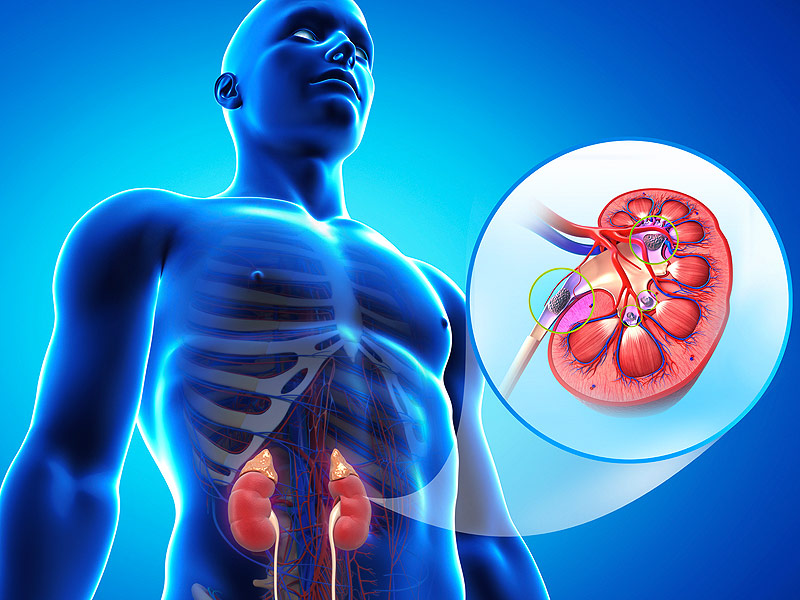
Part 1: Homeopathic Indications for Kidney & Renal Affections
1. Bright's Disease Remedies
Arsenicum
Key Indications: General anasarca (widespread swelling), edema, and facial puffiness.
Urinary Findings: Albuminous urine containing waxy casts.
Physical Symptoms: Pale, waxy-looking skin; exhausting diarrhea; intense burning sensations and thirst; frequent vomiting.
Distinctive Sign: Presence of blood boils.
Apis Mellifica
Key Indications: Scanty, albuminous urine.
Physical Symptoms: Anasarca accompanied by white, shiny skin; ascites (abdominal fluid buildup) with marked soreness of the abdominal walls.
Phosphorus
Key Indications: Urine containing epithelial, fatty, or waxy casts.
Urinary Findings: Urine appears whitish, flocculent (cloudy/flaky), and iridescent.
Associated Factors: History of alcohol abuse, coexisting lung complications, persistent vomiting, or diarrhea.
2. Specific Renal & Urinary Remedies
Mercurius Corrosivus (Kidney Disease)
Urinary Findings: Thick urine with difficult urination (micturition); contains albumen, epithelial cells, and granular or fatty tube casts.
Physical Symptoms: Inflammation localized at the neck of the bladder; pale, swollen face; irregular and uneven pulse.
Digitalis (Renal Affections)
Key Indications: Dropsy (fluid retention) accompanied by a feeble or slow pulse.
Urinary Findings: Scanty, dark, turbid, and albuminous urine.
Differential: Symptom picture is similar to Arsenicum, but lacks its characteristic restlessness and irritability.
Terebinthina
Key Indicator: Bloody urine is the keynote symptom.
Urinary Findings: Scanty, dark, and smoky urine loaded with albumen and bloody casts.
Pain Profile: Sensation of pressure in the kidneys while sitting; burning pain that extends into the right hip.
Cantharis
Key Symptoms: Severe aching across the loins.
Urinary Findings: High-colored, albuminous urine passed with an intense scalding sensation.
Berberis Vulgaris
Pain Profile: Deep, severe pain in the kidney region that shoots down the back and along the ureters into the pelvis. Pains radiate outward in all directions from the kidneys.
Clinical Use: Useful for renal calculi (kidney stones).
Part 2: Polycystic Kidney Disease (PKD)
Overview
Polycystic Kidney Disease (PKD) is a genetic disorder characterized by the development of numerous fluid-filled cysts throughout the kidneys, giving them a honeycomb-like appearance.
Disease Mechanism: As these cysts enlarge over time, they replace healthy renal tissue, causing the kidneys to enlarge while progressively losing function.
Prognosis: There is currently no cure. The disease progresses over time, eventually leading to kidney failure.
Onset: Cysts typically cause symptoms in midlife, although signs can emerge much earlier. Having a parent with PKD significantly increases the risk of inheritance. Early screening can identify the condition when only a few cysts are present.
Symptoms and Complications
Adults may remain asymptomatic for decades before clinical features appear.
Core Symptoms
Pain: Vague, chronic aching in the abdomen or lower back, as well as sudden attacks of severe flank/back pain.
Cyst Complications:
Infection: Leads to localized back/abdominal pain and fever.
Rupture: Causes acute pain and hematuria (blood in the urine).
Headaches & Infections: Frequent headaches and recurrent urinary tract infections (UTIs).
Associated Systemic Complications
High Blood Pressure (Hypertension): Arises directly from kidney damage and can accelerate disease progression if uncontrolled.
Extra-Renal Cysts: Development of cysts in the liver and pancreas.
Cardiovascular & Vascular Issues: Abnormal heart valves and brain aneurysms (ballooning blood vessels in the brain).
Other Issues: Kidney stones and diverticulosis (pouches in the colon wall).
Causes and Genetics
PKD is an inherited disorder classified into two primary forms:
Characteristic | Autosomal Dominant PKD (ADPKD) | Autosomal Recessive PKD (ARPKD) |
|---|---|---|
Prevalence | Most common (~85–90% have ADPKD1; remaining have ADPKD2) | Very rare (~1 in 10,000 live births) |
Genetic Mutation | Chromosome 16 (ADPKD1) or Chromosome 4 (ADPKD2) | Chromosome 6 (in at least some cases) |
Inheritance Pattern | Requires one parent with the faulty gene (50% transmission chance per child) | Requires both parents to carry the gene (25% chance per child) |
Typical Onset | Adulthood (midlife) | Infancy / Early childhood |
Progression Rate | Slow and gradual | Rapid |
Family Planning | Identified genes allow for targeted genetic counseling | Prenatal ultrasound/screening available for at-risk pregnancies |
Diagnosis
In Infants (ARPKD):
Often detected shortly after birth due to visibly enlarged kidneys causing extreme abdominal swelling.
Other organs, such as the liver, are frequently involved; severity varies widely, and some infants die shortly after birth.
Can be detected before birth via prenatal ultrasound if a family history exists.
In Adults (ADPKD):
Frequently discovered incidentally during investigations for unrelated medical issues.
Ultrasound imaging is the standard diagnostic tool.
Genetic testing: DNA analysis during pregnancy can screen for known ADPKD gene mutations.
Treatment and Management
While medical science cannot currently stop or reverse cyst formation, clinical care focuses on slowing the rate of kidney damage and managing complications:
Blood Pressure Management: Strict control of hypertension is essential to minimize secondary kidney damage.
Infection Control: Prompt, effective treatment of any urinary or cyst infections.
End-Stage Renal Disease (ESRD) Care: Complete renal failure occurs in roughly 50% of individuals with ADPKD by age 60, at which point renal replacement therapy (dialysis or kidney transplantation) becomes necessary.