Conquer the Flu Naturally: Your Ultimate Guide to Homeopathic Influenza Remedies
Discover the most effective homeopathic remedies for influenza. Learn how matching your specific symptoms with natural medicines like Gelsemium, Bryonia, and Aconite can speed up your flu recovery and help you bounce back faster.

Don't self-treat a serious condition
Conditions like this deserve a doctor's eye. Start an online consultation and get a treatment plan suited to you.
Start ConsultationUnderstanding the Homeopathic Approach to Influenza
Homeopathy is a holistic system of medicine based on the foundational principle of "like cures like" (similia similibus curentur). According to this regimen, a substance that causes specific symptoms in a healthy person can be used in highly diluted, minute doses to trigger the body's natural healing response in a sick person exhibiting those exact same symptoms. Rather than treating a disease simply by its medical name, homeopathic practitioners focus on the individual's unique physical, mental, and emotional symptom profile.
When treating an illness like influenza, a homeopath carefully observes the patient's specific presentation. This includes analyzing what brought on the illness (causation, such as a specific type of weather), the exact nature of their pain, their level of thirst, and their "modalities"—meaning what makes the symptoms better or worse (such as movement, rest, or temperature). By perfectly matching the patient's unique symptom picture to the known symptom profile of a homeopathic remedy, the body is gently stimulated to clear the illness and restore health.
THE COMMON INFLUENZA REMEDIES
ACONITE
Causation: Illness brought on by cold, dry weather and bitter winds (the opposite of Gelsemium).
Onset: Sudden onset of fever accompanied by chilliness.
Pulse: Throbbing.
Mental State: Characterized by great restlessness and anxiety.
GELSEMIUM
Body & Limbs: Marked by heaviness—specifically a heavy head, heavy eyelids, and heavy limbs, along with general tiredness.
Causation/Weather: Colds and fevers brought on by a mild winter (the opposite of Aconite).
Chills: Chills felt in the back; chills and heat chase one another.
Headache: A bursting headache that radiates from the neck, over the head, to the eyes and forehead. The headache is relieved by copious urination.
Thirst: The patient experiences no thirst.
EUPATORIUM PERFOLIATUM
Back and Limbs: Intense aching, feeling as if the bones were broken. There is aching in all the bones along with soreness of the flesh. The bones feel broken, dislocated, or as if they would break. The patient dares not move due to the pain (the opposite of Pyrogen).
Headache: Bursting in nature; again, the patient dares not move for pain (opposite of Pyrogen).
Shivering & Chills: Chills felt in the back (similar to Gelsemium and Pyrogen), usually beginning between 7:00 A.M. and 9:00 A.M.
Other Symptoms: Sore eyeballs (similar to Bryonia and Gelsemium). There may also be vomiting of bile. This is a known remedy for "Break-bone fever" (Dengue).
PYROGEN
Fever: High temperature with a slow pulse, or the reverse. The ratio between the pulse and temperature is disturbed.
Pulse & Pulsations: Very rapid pulse with violent pulsations.
Chilliness: A feeling that "no fire can warm" the patient (similar to Nux Vomica and Gelsemium). Creeping chills in the back accompanied by a thumping heart.
Headache: Bursting headache with intense restlessness.
Sensations: The bed feels hard; the patient feels beaten and bruised (similar to Arnica).
Movement: The patient feels better when beginning to move (the opposite of Rhus Tox). They have an intense restlessness, needing to keep moving, rocking, or wriggling for momentary relief. Symptoms include agonizing pain in the lumbar region and upper thigh muscles, making it impossible to keep still for even a moment.
Urine: Copious urination of clear water during the fever.
BAPTISIA
Onset: Rapid onset, sinking quickly into a stuporous, typhoid-like state.
Face: Dull red with a drugged, besotted appearance.
Temperature: High fever; the patient appears red, dusky, and comatose. They may drop asleep while trying to answer questions.
Gastric Flu: Sudden attacks of violent diarrhea and vomiting, accompanied by great prostration. (In such cases, Baptisia will ensure a remarkably sudden recovery).
Pneumonia: Indicated for flu-related pneumonia with the characteristic besotted appearance.
Foulness: Extremely foul mouth, foul throat, and very offensive discharges (similar to Mercurius).
Curious Symptom: A sensation of dissociation of body parts, feeling "scattered and cannot get himself together" (similar to Petroleum and Pyrogen).
BRYONIA
General State: The patient is irritable, wants to lie quite still, and wishes to be left alone. It is indicated for pleurisy and pleuro-pneumonia.
Tongue & Thirst: White tongue. Thirst for large amounts of cold fluid (similar to Phosphorus).
Fever/Heat: Attacked with dry heat resulting from every movement and every noise (the reverse of Nux Vomica and Gelsemium).
Headaches/Pain: Pains are relieved by pressure and worsened by movement (similar to Eupatorium Perf). Pains in the head are triggered by coughing.
Mental State: Anxiety about business; dreams of business; delirious states where the patient "wants to go home."
RHUS TOXICODENDRON (Rhus Tox)
Mental State: Fear of poison. Anxiety and fear that are worse at night (similar to Aconite). Weeps without knowing why (similar to Pulsatilla).
Movement: On first moving, the patient feels stiff, lame, and bruised (the opposite of Pyrogen). This stiffness passes off with continued motion until the patient becomes weak and must rest; however, restlessness and uneasiness eventually drive them to move again. The worst suffering occurs when at rest and kept without motion (the opposite of Bryonia).
Causation: Brought on by cold, damp weather, or exposure to cold dampness when perspiring (similar to Dulcamara).
Symptoms: Intense fever (including typhoid forms, similar to Baptisia), intense restlessness, thirst, great prostration, and severe aching in the bones (similar to Eupatorium Perf).
Note on Homeopathic Principles: Drugs produce peculiar symptoms. Where these symptoms perfectly agree in both the drug and the patient, the ailment is canceled out, and health results. This is most strikingly seen in acute and uncomplicated sickness. When you give a patient a remedy that can produce their exact symptoms, it must be given in a small dose to which their sensitive condition will respond without undue aggravation and suffering.
MERCURIUS SOLUBILIS (Merc Sol)
Sweat: Profuse and very offensive sweat. Sweating provides no relief and often makes the patient feel worse.
Mouth: Very foul mouth (similar to Baptisia) with offensive salivation.
Colds: Colds that extend down into the chest.
NUX VOMICA
Drinking: Taking a drink is immediately followed by shivering and chilliness.
Chilliness: Brought on by the slightest movement, the slightest exposure to open air, or the slightest draft of air. The patient cannot get warm; this great coldness is not removed by the heat of a stove or by bed coverings.
Symptoms: Shivering and chilliness lasting for an hour. The patient dreads going into the open air. Experiences attacks resembling fever with shivering and drawing pains in the limbs. Serious ailments resulting from catching a cold are often removed by this remedy.
REMEDIES FOR AFTER INFLUENZA (BADLY RECOVERED FROM)
GELSEMIUM
For the patient who cannot get well after having the flu a few weeks ago.
Temperature hovering around 99°F (37.2°C).
Feeling neither fully ill nor fully well.
Chilly, with alternating heats and chills.
Lingering weakness and heaviness of the limbs and eyelids.
CHINA
Continued debility and chilliness after illness.
The patient is anemic, pallid, and weak.
Sensitive to touch, motion, and cold air.
Symptoms are worse on alternate days.
Weariness of the limbs with a constant desire to stretch, move, or change position.
KALI PHOS
Indicated for general, lingering weakness and feelings of gloom.
ARSENICUM
Characterized by chilliness, severe restlessness, anxiety, fear, and a fear of death (similar to Aconite).
Great prostration and oversensitivity; the patient may be fastidious.
Pains: Burning sensations that are relieved by heat. Pains feel like red-hot needles.
Sensations: Feeling as if ice water is running through the veins, or boiling water is going through the blood vessels.
Thirst: Desires frequent sips of cold water.
PULSATILLA
Chills & Heat: Flitting chilliness and chills in isolated spots. Cold creeps in the back. The patient feels chilly even in a warm room. One-sided chilliness, heat, or sweat. Experiences heat as if hot water were thrown over them.
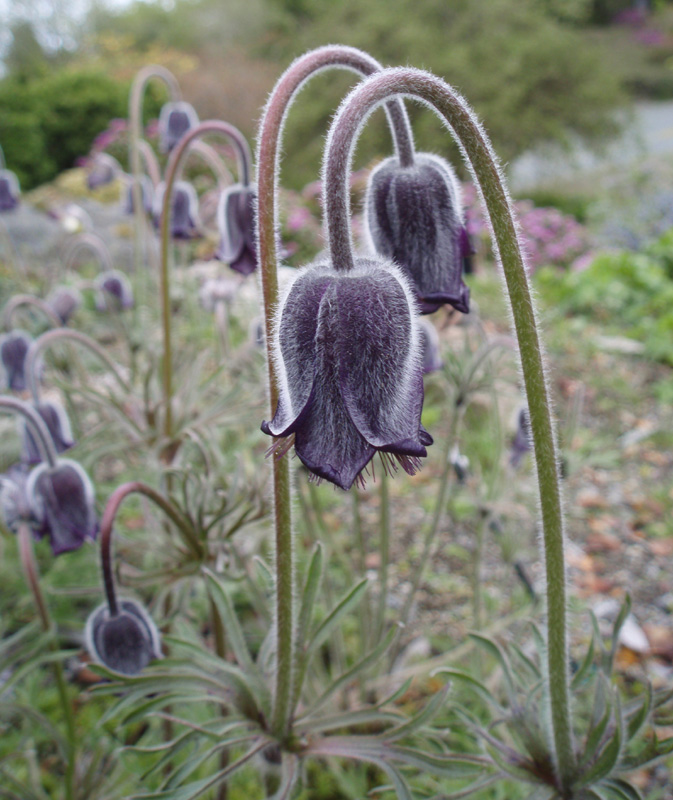
Sweat & External Factors: Profuse morning sweat. External warmth is intolerable, and symptoms are worse in a closed, stuffy room.
Relief: Better out of doors and better from slow motion (the opposite of Bryonia and Eupatorium Perf).
Symptoms: Palpitations accompanied by anxiety, prompting the patient to throw off their clothes. Thirstless and lacking hunger.
Cough: Dry cough at night that goes away when sitting up but returns upon lying down again (similar to Hyoscyamus).
Mood: Tearful and peevish.
SULPHUR
For the patient who partially recovers from the flu and then relapses.
Experiences frequent flushes of heat and an uneasiness in the blood.
Very sensitive to open air and drafts (the opposite of Pulsatilla). Takes cold easily.
Symptoms worsen after washing and bathing.
Chest & Head: Oppression, burning, stitches, and congestion of the chest. Heat at the crown of the head paired with cold feet.
Sleep & Feet: Soles of the feet burn at night and must be put out from under the bed covers. Drowsy during the day but restless at night; frequently starts awake from frightful dreams.
Appetite: Extremely hungry, feeling "starving" around 11:00 A.M.
Post-Influenza Neuroses Note: Cyprepedium and Scutellaria 30 are noted as good remedies for post-influenzal neuroses.
Don't self-treat a serious condition
Conditions like this deserve a doctor's eye. Start an online consultation and get a treatment plan suited to you.
Start Consultation