CAUSTICUM: Remedy Profile & Materia Medica
Explore the complete homeopathic profile of Causticum. Learn about its key uses for chronic coughs, paralysis, urinary incontinence, and joint pain, along with its unique patient constitution.
Don't self-treat a serious condition
Conditions like this deserve a doctor's eye. Start an online consultation and get a treatment plan suited to you.
Start ConsultationConstitutional & Miasmatic Profile
Miasms: Acts deeply as an antipsoric, antisycotic, and antisyphilitic remedy.
Constitution: Best suited to dark-haired individuals with rigid muscle fiber, delicate skin, and a lymphatic, torpid temperament.
Children: Strongly indicated in scrofulous children. They appear weakened and emaciated, particularly in the face, with a large, swollen abdomen. They are late learning to walk and talk, prone to easy falling, and stumble when attempting to walk due to underlying paralytic weakness.
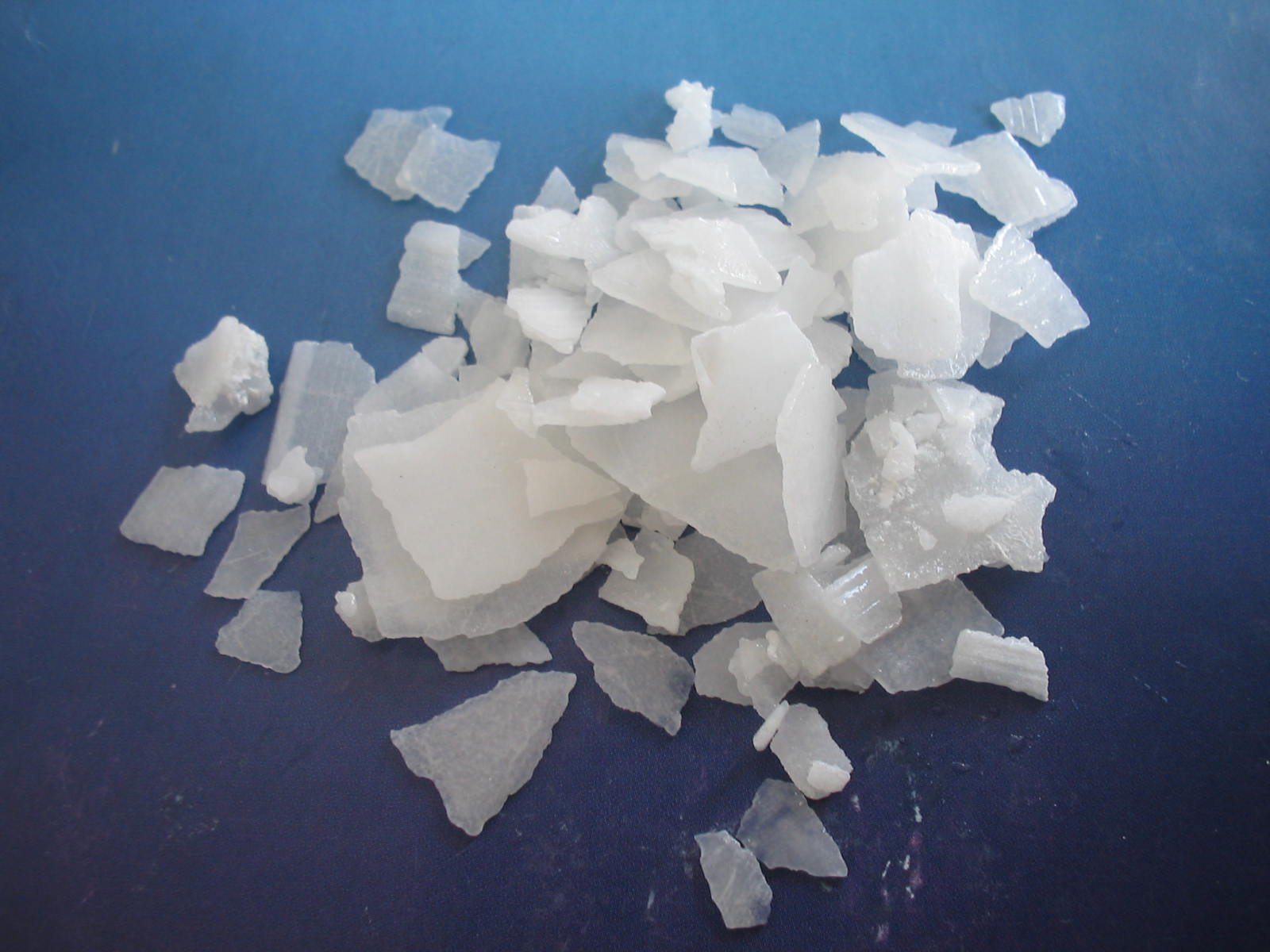
Causticum is a unique Hahnemannian creation, chemically prepared from freshly slaked lime and potassium bisulfate, though its exact chemical classification remains a subject of debate.
Mental & Emotional Picture
Anxiety & Fear: Patients are timid, nervous, and anxious. They are full of fancies, highly apprehensive, and constantly feel as if something bad is about to happen.
Fear of Dark: Extremely afraid to go to bed in the dark.
Mental Paralysis: Memory fails easily. Any attempt at mental exertion causes physical symptoms, such as stitches in the temples and tension in the head/scalp (especially from forehead to temples).
A hallmark of the Causticum mental state is a profound, weeping sympathy for the suffering of others; they cannot bear to hear of cruelty or distress.
Nervous System & Paralysis
Acts primarily through the medulla oblongata and recurrent laryngeal nerve, causing paralysis and catarrh (especially of the larynx and trachea).
General Paralysis: Numbness of single parts or the entire right side of the body. Paralytic trembling and debility of the limbs when out of bed. Paralysis of the extensor muscles.
Facial Paralysis: Usually right-sided, brought on by exposure to dry, cold winds. Paralysis extends to the tongue, lips, and throat, making swallowing liquids difficult.
Epilepsy: Fits occur during sleep, accompanied by involuntary escape of urine.
Head, Eyes & Ears
Head Sensations: Sensation as if there is an empty space between the skull bone and the brain (relieved by warmth).
Eyes: Eyelids feel heavy, with an inclination to close them; complete paralysis of upper eyelids (ptosis)—cannot keep them up, often accompanied by headache. Heat, burning, and a feeling of sand in the eyes. Muscular weakness and double vision. Highly valuable in cataract (vision feels as if looking through a fog).
Ears: Tinnitus; words, sounds, and the patient’s own voice re-echo in the ears (reverberation).
Teeth/Mouth: Fistula dentalis.
Respiratory System (Throat, Larynx & Lungs)
Hoarseness: Distinctive morning hoarseness, with a scraping sensation in the throat. The laryngeal muscles refuse to work; the patient cannot speak a loud word (paralytic aphonia). Dryness and sensitiveness extend to the chest.
Cough: Dry, hollow cough with mucus on the chest. The patient cannot expectorate and is obliged to swallow the phlegm raised. They feel they cannot cough deeply enough for relief.
Sensations: Cough occurs in paroxysms, causing a painful, sore sensation in a streak down along the trachea. Sensation of rawness and scraping in the chest, especially under the middle of the sternum.
Concomitants: Cough is accompanied by a involuntary spurt of urine and pains in the hips.
Relief: Cough is notably relieved by a drink of cold water.
Gastrointestinal & Rectum
Stomach: Sensation as if lime were being slaked in the stomach.
Rectum & Stool: Paralytic condition of the rectum; the patient cannot evacuate the stool while sitting and is obliged to stand.
Hemorrhoids (Piles): Unbearable when walking, when touched, or even when thinking about them. Accompanied by severe soreness and rawness (worse walking or sitting). Causticum is a top-rank remedy for anal affections.
Anus: Painful pustules near the anus discharging pus, blood, and serum. Fistula in ano.
Urinary & Reproductive Organs
Urinary: Paralysis of the bladder. Involuntary urination occurs at night (during first sleep in children), and when coughing, sneezing, or blowing the nose. Itching at the orifice of the urethra. Prostatitis and urethritis.
Incontinence from Holding: Excellent for incontinence following over-distension of the bladder (e.g., in shop-girls or school-girls who cannot leave their tasks to urinate).
Male: Blood mixed with semen. Itching scrotum. Cannot retain urine.
Female: Menses flow only during the daytime. Periods are too early and too abundant, followed by occasional bad-smelling bloody spotting. Sadness during the period. Sexual appetite is entirely abolished, except immediately after the menstrual period. Nursing women lose their milk after exertion or long sleep.
Musculoskeletal System (Extremities & Back)
Legs: Lower extremities ache, feel tired, and are very sore.
Restlessness: Insupportable restlessness through the whole body (with heart anxiety) in the evening and while sitting. During the night, the legs are constantly "on the go"—a profound characteristic of Causticum.
Rheumatism: Rheumatic and gouty tearing in the limbs, accompanied by stiffness and contractions of the tendons. The parts upon which the patient lies become intensely sore.
Ankles: Weakness and giving way of the ankles.
Skin & Glands
Warts: Old, large, inflamed, and indurated warts. Found on eyebrows, nose, face, margins of eyelids, hands, fingertips, and close to the nails.
Nails: Crippled and deformed.
Burns: Deeply indicated for the after-effects of burns and scalds (the patient says, "I have never been well since that burn").
Ulcers: Burning pain in exterior parts and ulcers.
Generalities & Fevers
Chilly Profile: A "hydrogenoid" remedy of Grauvogl. Patients are very chilly.
Fever: Intermittent fevers where the sweat comes immediately after the chill, with no intervening heat.
Smallpox: Highly efficacious in smallpox, often used in alternation with Mercurius corrosivus (per Teste).
Causticum patients often exhibit a strong craving for smoked meats, salty foods, and bacon, while typically having an aversion to sweet things.
Modalities (Aggravation & Amelioration)
Worse (<):
In the evening.
Open air, drafts, becoming cold, washing/bathing, getting wet.
Every change of weather; clear, fine weather.
Entering a warm room (specifically makes headache worse); heat worsens skin eruptions.
In the dark; fear of darkness.
After drinking coffee.
While perspiring.
After stool.
Walking.
Taking hold of anything.
Thinking of their complaints (especially hemorrhoids).
Better (>):
Warmth, especially getting warm in bed (relieves rheumatism/tearing pains, though pains return upon getting up).
A swallow of cold water (relieves cough).
Cold water (relieves face symptoms and eruptions).
Damp weather (relieves pains in scalp, ulcers, and rhinitis).
Remedy Relationships & Comparisons
Phosphorus (INIMICAL): These two drugs must be carefully differentiated and should not be used consecutively. Phosphorus has evening hoarseness and soreness in the larynx. Causticum has morning hoarseness, soreness under the sternum, and cough relieved by a cold drink.
Aconite: Both have facial paralysis from dry, cold winds. Aconite suits the beginning stages; Causticum is used after Aconite fails.
Colocynthis: Causticum will cure menstrual colic after the failure of Colocynthis.
Magnesia carb: Menses flow only during the night, whereas Causticum menses flow only in the daytime.
Squilla & Natrum mur: Both share the symptom of involuntary spurting of urine during coughing.
Singers' Hoarseness: Compare with Graphites, Selenium, and Sulphur.
Carbo veg vs. Causticum (Weather): Carbo veg is worse in the evening and suited for hoarseness after exposure to damp evening air. Causticum suits hoarseness in dry, cold, severe winter weather.
Eupatorium perfoliatum: Both have morning hoarseness, influenza, and body aching. However, Eupatorium has deep chest soreness, whereas Causticum has a burning or rawness.
Sulphuric acid, Sulphur, Silicea: Compare for weakness or giving way of the ankles.
Don't self-treat a serious condition
Conditions like this deserve a doctor's eye. Start an online consultation and get a treatment plan suited to you.
Start Consultation