The Complete Guide to Calcarea Carbonica: Uses, Symptoms & Benefits in Homeopathy
Discover the profound healing power of Calcarea Carbonica. Learn about its key symptoms, the typical patient constitution, and how this deep-acting homeopathic remedy can naturally restore your health from the inside out.
Don't self-treat a serious condition
Conditions like this deserve a doctor's eye. Start an online consultation and get a treatment plan suited to you.
Start ConsultationJust as the earth consists of hard and soft materials—like rocks, water, and air—so too does the human body consist of liquid, iron-filled blood, sulfurous skin and hair, and a hard, rock-like, calcareous skeleton. The countless correspondences that exist between the earth, minerals, homeopathic remedies, the body, and disease states are endlessly fascinating and profoundly enriching to explore.
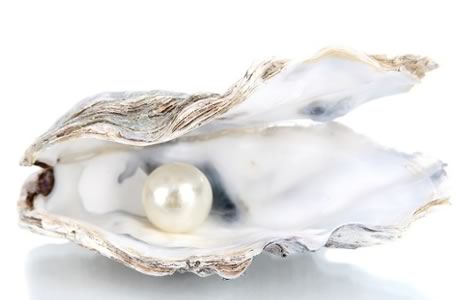
Calcarea Carbonica is one of our deepest-acting, anti-psoric remedies. It is derived from the pristine middle layer of the oyster shell, making it a profound remedy for issues related to calcium metabolism, growth, and protection.
To make this remedy easier to understand, its vast profile has been broken down by patient constitution, key characteristics, and body systems.
The Typical Calcarea Carbonica Constitution
This remedy is highly appropriate for childhood ailments, athletic temperaments, and scrofulous (glandular/lymphatic) constitutions. It is especially suited for patients who are:
Fair, fat, flabby, and obese.
Prone to extreme fatness in youth.
"The 3 S's": Slow, stupid, and sluggish (experiencing sluggishness of the system and feeling mentally or physically overwhelmed).
Lacking in strength, experiencing great lassitude after even a moderate walk or extreme fatigue from merely talking.
Highly sensitive to cold, with a great tendency to become cold.
(Note: Other remedies suitable for patients with obesity include Graphites, Capsicum, Pulsatilla, and Kali bichromicum).
The 10 Key Guiding Symptoms
If a patient needs Calcarea, they will often exhibit several of these defining traits:
Obesity / Weight Gain.
Sweat about the head (especially evening head sweats). Children needing this remedy will often sweat so profusely on the back of their head and neck during sleep that it completely soaks their pillow.
Physical disproportion: Large abdomen, great head, small neck.
Cold feet: It feels as if they are wearing cold, damp stockings.
Sour vomiting.
Diarrhea: Accompanied by an acid/sour stomach, worse in the evening.
Shortness of breath: Especially when going up stairs or ascending.
Constitutional appearance: Fair, fat, flabby.
Pace: Slow, sluggish system.
Menstruation (The 3 P's): Premature, Profuse, Protracted.
Symptom Picture by Body System
Mind & Emotions
Apprehensive mental state; the patient fears they will go crazy.
Extreme nervous susceptibility and a great disposition to frighten oneself.
Fits of despondency caused by loss of health, and a disposition to weep.
Uneasiness of the mind accompanied by heaviness in the legs.
Sees objects upon closing the eyes, which vanish when opened.
Disordered imagination, distress, and inquietude in the evening at twilight.
Head & Vertigo
Vertigo when ascending stairs or going up to any height (like the roof of a house).
Headaches described as: repeated hammer strokes, splitting/piercing in the forehead, or pressed by a board.
Headaches triggered by reading, writing, lifting heavy objects incorrectly, or walking quickly in the open air.
Icy-cold sensation on the right side of the head.
Falling out of hair.
Eyes, Ears & Nose
Eyes: Pressure, tearing pain, heat in eyelids, shooting pains, and weeping in open air. Flow of pus. Vision issues: flying of feathers before the eyes, presbytia (farsightedness), impossibility of reading without convex glasses, obscurity of sight after eating or reading.
Ears: Beatings, buzzings, cracking when swallowing, and hardness of hearing.
Nose: Dry coryza (stuffy nose) that takes a long time to establish, frequent sneezing/coryza, distressing dryness, and obstruction by yellow, fetid pus.
Mouth, Teeth & Throat
Slow, difficult dentition (teething) and swollen gums. Caries (decay) of teeth in children.
Toothaches triggered day and night, renewed by drafts, cold, or heat. Worse after cold drinks.
Dry tongue upon waking; bitter taste in the morning.
Accumulation of mucus in the throat; roughness of the voice.
Pain in the submaxillary glands and voluminous goiter.
Stomach & Digestion
Ravenous, devouring hunger in the morning that cannot be satisfied, or conversely, loss of appetite with continual thirst.
Hunger returning shortly after leaving the table.
Repugnance to smoking, even in those with a habit.
Feeble stomach and languishing digestion. Pressure in the stomach; the "pit" is swollen like a saucer turned upside down.
Cannot bear anything tight around the waist.
Bitter risings, sour vomiting, and heat after eating.
Abdomen & Bowels
Hard, large abdomen with swelling and painful pressure. Borborygmi (rumbling) and pinching colic without diarrhea.
Stools are often relaxed (two a day) or constipated.
Stool characteristics: Sour, undigested, highly offensive. Often contains curds of undigested milk. Worse from milk.
Ascarides (pinworms) in the rectum. Button-like, burning hemorrhoids projecting during stool.
Sensation of slackening and bruising after passing stool.
Urinary Organs
Heat and bleeding from the ureter.
Too frequent discharge of urine; passage of blood in urine.
Women's Health
Menses are too early, last too long, and are too profuse (accompanied by head sweat and cold feet).
Suppression of menses from cold.
Leucorrhea (whites) like milk, appearing before menses, accompanied by heat, itching in the pudendum.
Excellent remedy for the leucorrhea of little girls.
Tearing pains in the abdomen and painful feeling at the sacrum during menstruation.
Respiratory System
Shortness of breath on ascending stairs or bending the body.
Dry, chronic cough at night in bed or while sleeping; loose during the day.
Expectoration is yellow, fetid, or sweetish-tasting pus.
Pain in the right side of the chest with mucous râles (rattling) worse on the right.
Shooting pains in the chest during motion or when inclining to the left side. Asthma during the night.
Bones, Joints & Back
Rickets, softening of bones, defective growth, and curvature of the spine and long bones.
Joints crack and crepitate as if dry. Gouty knots in hand/finger joints.
Exostosis, bone caries, and necrosis.
Night pains in the back and arms; back feels dislocated. Stiffness in the nape of the neck (often from twisting/straining the loins).
Extremities (Arms & Legs)
Arms/Hands: Sudden lassitude or paralyzed feeling. Hands feel "dead" when grasping objects. Swelling, numbness, and "pins and needles" formication in fingers, even in warm places. Frequent paralysis of fingers.
Legs/Feet: Heaviness, stiffness, cramps, and red spots. Swelling of knees and soles of feet. Ulcerations on lower extremities. Feet feel dead at night. Painful sensibility in great toes and corns.
Tearing pains and numbness in all limbs.
Skin, Fever & Sleep
Skin: Unhealthy skin; small wounds suppurate easily. Rough skin, like a miliary eruption. Visible shivering from head to foot. Suppurations of a bad character, warts, and certain forms of scalp eczema.
Fever: Tertian fever in the evening (first heat in face, followed by cold). Night sweats and perspiration with anxiety. Abundant perspiration from moderate movement.
Sleep: Sleepy during the day, wishes for sleep early in the evening. Restless night with tossing, turning, thirst, heat, and anxiety. Distressing, frequent dreams and night terrors. Pressure in the chest ascending to the head during the night.
Specific Clinical Applications
For Infants and Children: Calcarea is a premier remedy for Cholera infantum (infantile diarrhea). The child craves eggs, but milk strongly disagrees, causing them to vomit sour cakes or curds. Diarrhea is worse toward evening, greenish, watery, undigested, and sour. Often indicated in fat children with open fontanelles and slow dentition.
Major Conditions Treated (A-Z): Lime cures often, without the help of other medicines, diseases of the most formidable kind, including epilepsy (previously regarded as incurable).
A-D: Acidity, Alcohol effects, Amaurosis, Amenorrhea, Anemia, Weak ankles, Depraved appetite, Sycosis of beard, Bone disease, Brachial neuralgia, Painful breasts, Bronchial gland affections, Calculus, Caries, Cataract, Chilblains, Chorea, Cold, Consumption, Corpulency, Coryza, Cough, Coxalgia, Croup, Crusta lactea, Debility, Delirium tremens, Dentition, Diabetes, Diarrhea, Dropsy, Dyspepsia. E-L: Ear affections, Epilepsy, Epulis, Eye affections, Intermittent fever, Fistula, Gall-stones, Glandular swellings/disease, Gleet, Goiter, Gonorrhea, Gouty swellings, Headache, Heart diseases, Hernia, Herpes, Hydrocephalus, Hypochondriasis, Hysteria, Impotence, Joint affections, Defective lactation, Leucocythemia, Leucorrhea, Lupus. M-R: Masturbation, Melancholia, Menstruation disorders, Milk-fever, Miller's phthisis, Miscarriage, Molluscum contagiosum, Nevus, Nervous fever, Neuralgia, Night terrors, Paralysis, Parotitis, Peritonitis, Perspiration, Plethora, Polypus, Pregnancy, Prosopalgia, Psoriasis palmaris, Rachitis (Rickets), Ranula, Renal colic, Rhagades, Rheumatism, Ringworm. S-W: Sciatica, Scrofula, Skin affections, Sleep disorders, Sleeplessness, Smell disorder, Spinal affections, Stone-cutter's phthisis, Strains, Sycosis, Sycosis menti, Tabes mesenterica, Tapeworm, Disordered taste, Carious teeth, Toothache, Trachea affections, Tuberculosis, Tumors, Typhoid, Urticaria, Uterus affections, Varices, Vertigo, Late walking, Warts, Whitlow, Worms.
Understanding Your Homeopathic Treatment
In homeopathy, the consultation focuses on you as a whole person and how you experience illness in your daily life. We look at everything that influences your symptoms: time of day, body position, temperature, weather changes, seasons, emotions, diet, and exercise. Every person maintains a unique pattern of symptoms, which is the body's best possible response to illness. The goal of our consultation is to recognize this exact pattern and match it to a homeopathic medicine chosen specifically to stimulate your natural healing.
Taking Medication: You should continue all conventional medications you are already taking—they will not stop the healing effect of homeopathy. Homeopathic medicines act deeply, gently, and in perfect harmony with your body and any other medications you require. However, it is highly recommended to avoid strong aromatics like raw garlic, coffee, camphor, and eucalyptus during treatment, as these strong substances can sometimes interfere with or "antidote" the delicate action of the homeopathic remedy.]
Duration of Treatment: Treatment length depends on your body's need for support, how long you have been ill, the severity of the illness, and the tissue involved (for example, healing joints takes much longer than healing skin). Patients often respond to homeopathy quickly, and once improvement begins, it continues as long as your natural healing resources are supported.
How to Take Your Remedies: Medicines are taken by mouth—either as drops in water, or as pills/tablets to be sucked. They do not have a strong or unpleasant taste. For babies and young children, medicines are given as sweet granules. You will receive full, typed instructions on how and when to take your medicines. Typically, remedies are taken daily at the beginning of your treatment plan.
Don't self-treat a serious condition
Conditions like this deserve a doctor's eye. Start an online consultation and get a treatment plan suited to you.
Start Consultation