The Complete Guide to Alumina in Homeopathy: Symptoms, Uses, and Profile
Explore the complete clinical profile of Alumina in homeopathy. Learn how this deep-acting remedy addresses extreme bodily dryness, neurological imbalances, and severe constipation.
Don't self-treat a serious condition
Conditions like this deserve a doctor's eye. Start an online consultation and get a treatment plan suited to you.
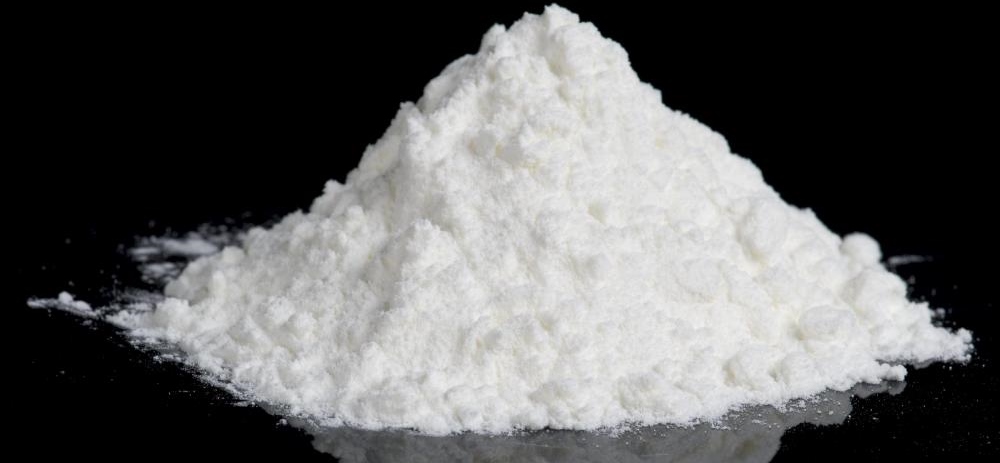
Start ConsultationAlumina is derived from the pure oxide of aluminum, commonly known as clay. Formally proven by the founder of homeopathy, Dr. Samuel Hahnemann, it is recognized as a deep-acting, anti-psoric remedy that develops its effects very slowly within the body.
When we look at the constitutional profile of the Alumina patient, we see individuals who are typically dark-complexioned, spare, dry, and thin. This physical makeup stands in direct contrast to the plump, fair, and flabby constitution of Calcarea carbonica. Alumina is particularly suited to individuals who are prematurely old, suffering from general debility, and experiencing a profound lack of vital or animal heat. These patients are chronically chilly and have great difficulty keeping warm.
The Defining Feature: Profound Dryness
The single most important feature that runs all through the Alumina profile is an extreme, unyielding dryness. This is not just a superficial symptom; it affects nearly every system in the body. The mucous membranes are chronically parched, leading to dry catarrhal conditions. The conjunctiva of the eyes, the lining of the nose, and the entire intestinal tract suffer from this lack of lubrication. Even the hair becomes noticeably dry and begins falling out.
The skin mirrors this internal state, becoming exceedingly dry and tettery. Because the skin lacks natural moisture and the ability to perspire freely, patients often experience an intolerable itching when they get warm in bed. This itching is so severe that they will scratch until the skin bleeds, after which the skin becomes highly painful and sensitive.
The Mind and Nervous System
Alumina produces profound prostration of the cerebro-spinal nervous system. The mental state is characterized by a strange contradiction: the patient feels hasty and hurried internally, yet they are incredibly slow in execution. Because of this disconnect between their rushed thoughts and sluggish motor function, they frequently make mistakes in speaking and writing.
A profound psychological hallmark of Alumina is a deep confusion of personal identity. Patients may feel as though their consciousness belongs to someone else, or that when they speak, it is another person talking. Furthermore, their perception of time is heavily distorted; time passes far too slowly for them, making a single hour feel like half a day.]
Despite a general fear of death, these patients may experience a sudden, morbid impulse to commit suicide, particularly when they see a sharp knife or blood.
In advanced neurological conditions, such as locomotor ataxia, Alumina shows its depth. The patient suffers from severe pain in the back and cannot walk without staggering if their eyes are closed. They experience altered sensations, such as feeling as if they are walking on soft cushions. There is a distinct sensation of formication—a creeping feeling as if ants were crawling on their legs and back. The extremities easily go to sleep, the legs feel totally numb, and they are often bothered by a phantom sensation of a cobweb resting on their face.
Gastrointestinal Tract and Constipation
Through the spinal nerves, Alumina exerts a massive paralytic effect on the colon and rectum, completely drying out their secretions. There is a distinct constriction in the throat upon swallowing food, forcing the patient to swallow only very small morsels at a time. The stomach is highly sensitive, and the patient is always worse after eating potatoes.
Dietary cravings are highly abnormal. Patients exhibit intense pica, craving indigestible substances like chalk, charcoal, slate pencils, and dry food items.
The most characteristic feature of Alumina is its unique presentation of constipation. Because of the extreme dryness of the intestinal tract, there is complete inertia of the rectum. There is little or no urging to have a bowel movement. The stool is expelled with immense difficulty, no matter what the consistency of it is. While the stools may be dry, hard, and knotty like sheep dung, the grand characteristic is that even completely soft stools require massive straining to expel because the rectum has lost its expulsive power.
This constipation is common in infants, children (where the rectum becomes dry, hard, inflamed, and bleeding), old people with inactive rectums, and women of very sedentary habits. The rectum and anus become highly sore, and they bleed easily after passing a hard stool. In elderly patients, this straining is so pervasive that they must strain at stool just to be able to urinate, and even then, the flow of urine is remarkably slow.
Women’s Health
In female patients, Alumina is highly indicated for chlorosis (anemia), accompanied by pale and scanty menses and the characteristic cravings for indigestible substances.
The remedy is also known for a specific type of leucorrhea. The discharge consists of yellowish mucus that is highly ropy and tenacious. It is an incredibly exhausting condition because the discharge is very rich in albumen, draining the woman's vital energy. The leucorrhea can be so profuse that it runs down the patient's heels, and the severe physical exhaustion it causes is most pronounced immediately following the end of the menstrual cycle. Interestingly, all of these local leucorrhea symptoms are significantly relieved by washing the parts with cold water.
Summary of Modalities and Characteristics
To summarize the clinical picture, the grand characteristics of Alumina revolve around the inactive rectum, hard stools, soreness and bleeding of the anus, and the paradox of straining to pass soft stools.
In terms of modalities, Alumina patients are generally much worse in cold, dry air, during the harsh winter months, in warm rooms, and from eating potatoes or artificial foods. Conversely, they feel remarkably better during damp, wet weather, in mild summer climates, from having warm drinks, and while they are actively eating.
Don't self-treat a serious condition
Conditions like this deserve a doctor's eye. Start an online consultation and get a treatment plan suited to you.
Start Consultation