Why Children Get Ill So Easily: Early Infant Care, Development, and Disease Prevention
Discover why newborns and young children are uniquely vulnerable to infections and learn the essential principles of pediatric care. From thermoregulation and nutrition (breastfeeding and gradual weaning) to hygiene, safe handling, and developmental milestones, this guide outlines universal best practices for nurturing a healthy child.
The transition from the intrauterine environment to extrauterine life is a profound physiological shock. Born from a stable, fluid-filled environment maintained at approximately 98°F, a newborn is suddenly exposed to lower ambient temperatures and tactile stimuli. This abrupt shift triggers the infant’s sensitive nervous system, initiating the first gasp and cry, which expands the pulmonary air cells, establishes independent breathing, and shifts the circulatory system to adult-like pulmonary function.
Because newborns lack mature thermoregulatory mechanisms—having a baseline body temperature ranging from 95°F to 98°F (roughly 3°F to 5°F lower than adults, with premature infants even more vulnerable)—they require immediate external warming. Standard newborn protocols include gently drying the infant with warm napkins, ensuring careful management of the umbilical cord stump to prevent secondary hemorrhage or infection, and dressing the baby in light, soft, warm clothing secured with strings rather than pins. The infant's first nutritional intake should strictly be colostrum, avoiding traditional or domestic prelacteal feeds like honey.
Immune Vulnerability and Contagious Illnesses
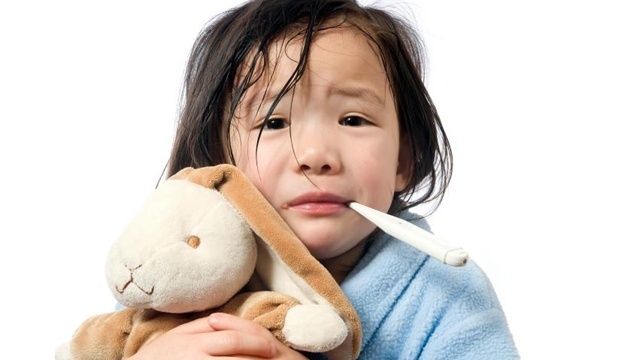
Infants and young children fall ill easily due to the immaturity of their immune systems and their physiological exposure risks. Contagious diseases spread through several primary mechanisms:
Respiratory Droplets: Bacteria (such as those causing scarlet fever) and viruses (such as chickenpox, measles, and hand-foot-and-mouth disease) are transmitted via airborne droplets of saliva and mucus expelled during coughing or sneezing.
Direct Contact & Fomites: Close personal interaction or sharing personal items can transmit parasitic infestations (like lice and scabies) or dermatological conditions such as fungal tinea infections (ringworm).
Pre-Symptomatic Shedding: Many childhood infections are most contagious before the child exhibits clinical symptoms, facilitating rapid spread among peers in close quarters.
While many childhood illnesses confer lifelong immunity upon recovery, modern pediatric care relies on vaccination to mitigate severity and incidence. For example, chickenpox has become significantly less prevalent and milder in vaccinated populations.
Infant Nutrition and Feeding Principles
Optimal nutrition supports both growth and immune resilience:
The Role of Milk: Human breast milk provides the complete balance of nutritional and immunological principles required during early life, with commercial or mammalian alternatives (such as modified cow's milk) formulated to approximate its profile.
Feeding Frequency: During the first two to three weeks of life, infants should be nursed regularly every two hours during the day and six to eight times at night. Caregivers should avoid the habit of offering the breast at every single cry, as overfeeding can induce infant indigestion.
Weaning: The physiological transition to solid foods typically aligns with developmental milestones between the ninth and twelfth months, indicated by the eruption of teeth and gastric maturation. The transition must be gradual to accommodate delicate digestive organs, with milk intake tapering off naturally until weaning is complete around one year of age.
Hygiene and Clothing Standards
Maintaining skin integrity and comfort requires rigorous adherence to basic hygiene and sensible apparel:
Bathing and Skin Care: Daily baths in warm water remove pathogens and irritants. Prompt removal of damp or soiled clothing, combined with gentle washing and drying of the nates and groins, prevents diaper rash and secondary infections.
Clothing Rules: Apparel should be loose, simple, clean, warm, and lightweight. Underclothing should consist solely of breathable cotton. To support fragile thermoregulation, garments must fully cover the chest, neck, and arms while allowing complete freedom of movement. A general rule of thumb for infant comfort is to keep the head cool (using thin, light caps if any) and the feet warm.
Physical Development and Handling Precautions
An infant’s musculoskeletal system requires careful support during the first months of life:
Postural Support: Until approximately the end of the fourth month, infants lack the muscular strength to support their heads and backs in an upright posture. They should be carried in a reclining position that fully supports the body and head. Rough shaking, tossing, or violent rocking must be strictly avoided.
Motor Progression: As muscle tone improves, supervised floor time allows infants to roll, kick, and engage natural movement patterns. By the ninth or tenth month, healthy infants typically begin to crawl, eventually progressing to supported walking (guided under the arms to prevent falls) and achieving independent walking before the fifteenth month. Regular exposure to fresh air in favorable weather further enhances overall physical development and general health.