Understanding Eczema: A Simple Guide to Symptoms, Triggers, and Relief
What triggers a flare, what soothes it, and what the skin looks like in between episodes all shape a homeopathic case.
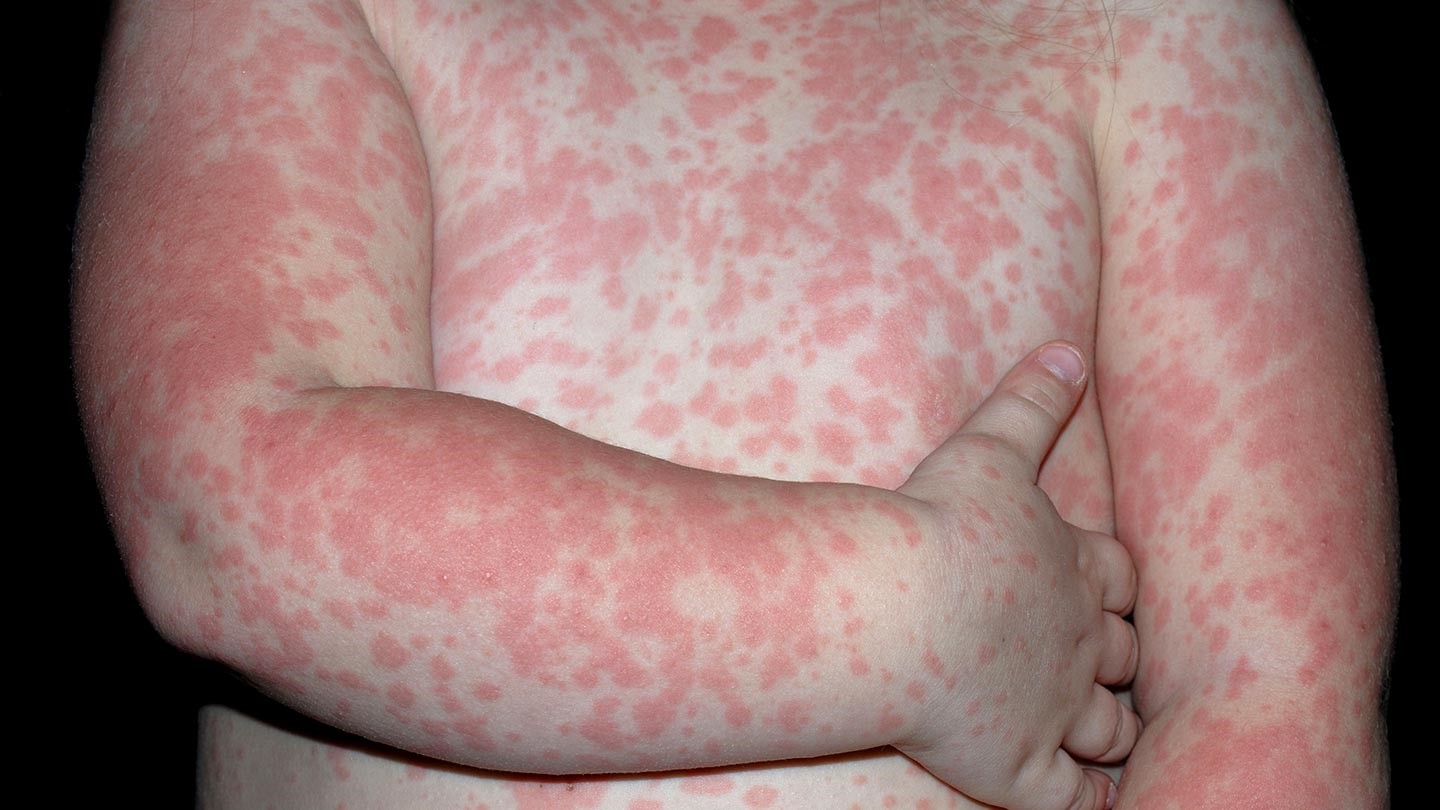
Eczema is a broad term for a group of inflammatory skin conditions that make the skin dry, red, flaky, sore, and extremely itchy. It can affect people of any age, though it most commonly begins during infancy.
Eczema is often called "the itch that rashes." This is because the intense itching usually comes first—and when you scratch it, a rash appears.
Key Symptoms & How Eczema Appears
While eczema looks a bit different from person to person, the primary symptom is intense itching, which can be severe enough to keep you awake at night.
Common Signs:
Dry, flaky, and sore patches: Skin feels rough, hot, and irritated.
Oozing or "bubbling": In some people, patches may bubble up, weep fluid, or bleed.
Leathery, thickened skin: Regular scratching causes the skin to thicken over time, giving it a tough, leathery texture.
Infections: Open sores from scratching can allow bacteria in, leading to skin infections.
Where Does Eczema Show Up?
Eczema can appear anywhere on the body, but common locations vary by age:
Babies & Infants: Most frequently found on the cheeks, forehead, scalp, neck, forearms, and legs.
Children & Adults: Typically appears on the face, neck, inside of the elbows, behind the knees, wrists, and ankles.
What Triggers Eczema Flare-Ups?
Eczema triggers vary from person to person, and it can sometimes be tricky to pinpoint the exact cause. Common triggers include:
Fabrics & Materials: Rough or coarse fabrics like wool and synthetic fibers coming into direct contact with the skin.
Temperature & Sweat: Feeling too hot, sweating, or sudden changes in temperature and humidity.
Chemicals & Cleansers: Harsh soaps, detergents, disinfectants, and solvents.
Food & Kitchen Contact: Handling juices from fresh fruits or raw meats, as well as specific foods known to individual patients to cause outbreaks.
Environmental Allergens: Dust mites, animal dander, animal saliva, molds, and pollens.
Illness: Viral upper respiratory infections (like a common cold).
Stress & Hormones: Emotional stress and hormonal fluctuations (such as during a woman's menstrual cycle).
What Causes Eczema?
While there is no single known cause, eczema is strongly linked to genetics and environment:
Family History: It frequently runs in families with a history of allergies.
The Allergy Connection: Many people with eczema also suffer from asthma or allergic rhinitis (hay fever), or have family members who do.
The Trigger Combo: People who are genetically predisposed develop eczema when exposed to environmental triggers.
Daily Prevention & Care Checklist
Taking proper precautions can significantly reduce the frequency and severity of eczema flare-ups.
1. Protect the Skin Moisture Barrier
Moisturize Frequently: Apply moisturizers (such as Calendula creams or lotions) regularly throughout the day.
Follow the "3-Minute Rule": Apply moisturizer within 3 minutes after bathing to "lock in" the moisture from the water before it evaporates.
Cool Compresses: Apply cold, damp compresses directly to itchy skin for quick relief.
2. Avoid Known Irritants
Wear Breathable Clothing: Choose soft, breathable cotton clothing rather than wool or synthetic materials.
Use Mild Soaps: Pick gentle, fragrance-free soaps for both your skin and your laundry detergent.
Prevent Scratching: Keep nails trimmed short to avoid damaging skin.
3. Manage Your Environment
Control Dust Mites: Keep bedrooms and play areas free of dust mites.
Avoid Sudden Temp Changes: Protect skin from extreme heat, heavy sweating, or sudden humidity drops.
Avoid Known Trigger Foods: Pay attention to your diet and stay away from foods that consistently trigger a flare-up.
Reduce Stress: Practice calm-down techniques, as stress worsens existing flare-ups.
Homeopathic Care & Bathing Routine Mentioned
The following specific daily care measures and homeopathic remedies are commonly referenced for managing eczema:
Soaking Bath Additive: Add Calendula Q (1 drop per liter) and AZADIRACHTA INDICA-Q (1 drop per liter) to your warm bathing water.
Post-Bath Care: Immediately after bathing, apply pure coconut oil or Calendula lotion/cream to the affected areas to seal in hydration.
Internal Remedy: Sulphur-6 (1 drop mixed in water, taken on an empty stomach).
Note: Always consult your homeopathic physician before taking internal remedies to ensure correct dosage and timing.
Severity & Long-Term Outlook
Mild Eczema: May clear up on its own or only require basic moisturizing and minor routine changes.
Severe Eczema: Can cause extreme distress and discomfort, sometimes requiring specialized medical care or hospital-based treatment.
Long-Term Management: While eczema can persist over time, consistent daily care and regular consultation with your doctor can help control the trouble and keep your skin comfortable.