Piles
Piles form when the veins around the anus and lower rectum become swollen, often from straining, pregnancy, or long hours of sitting.
⚠️ CONTENT WARNING: EXPLICIT MEDICAL IMAGES
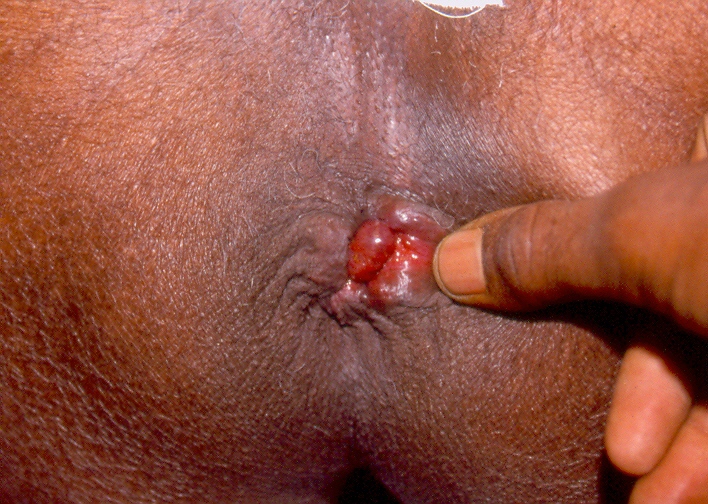
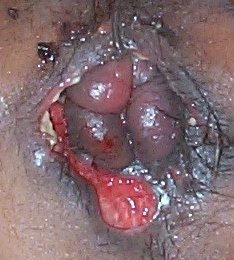
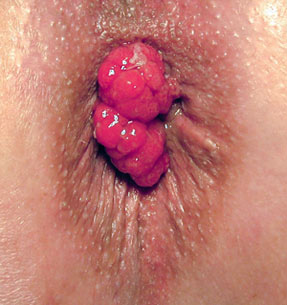
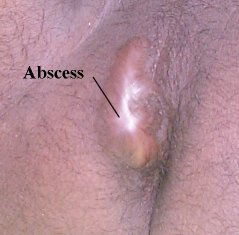
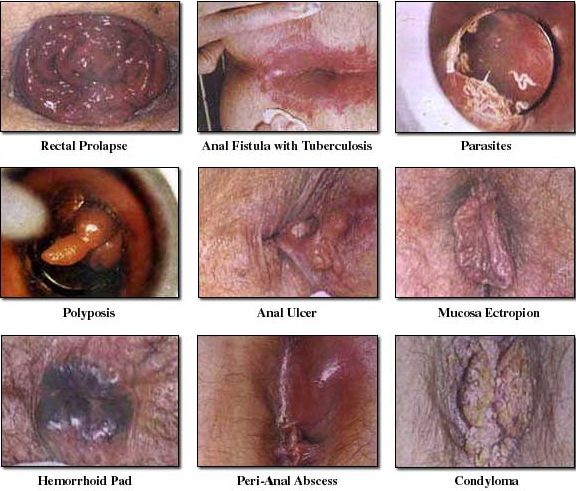
This article contains graphic photographs showing various stages of hemorrhoidal conditions for clinical and educational reference. Viewer discretion is advised.
Hemorrhoids, commonly referred to as piles, are vascular structures in the anal canal that become swollen and inflamed. While severe cases are often treated surgically, many instances can be managed, relieved, or prevented through lifestyle modifications, proper dietary hygiene, and targeted medical therapies.
Causes and Risk Factors
Hemorrhoid development is primarily driven by increased pressure on the pelvic and rectal veins. Key contributors include:
Mechanical Strain & Posture: Excessive straining during bowel movements, prolonged periods of sitting, poor overall posture, and weak pelvic muscle tone increase pressure on rectal veins.
Systemic & Vascular Pressures: High blood pressure—specifically portal hypertension—directly impacts rectal vascular congestion. Obesity further exacerbates rectal vein pressure.
Pregnancy: Hormonal changes, increased intra-abdominal pressure, and heightened systemic blood pressure during pregnancy significantly increase the risk of hemorrhoids and straining during bowel movements.
Dietary & Liquid Deficits: Inadequate water intake results in hard stools or chronic constipation, which causes direct mucosal irritation. Most individuals fall short of the recommended daily fiber intake of 20 to 25 grams.
Alcohol & Caffeine Consumption: Both substances can trigger diarrhea, aggravating the anal region.
Caffeine causes temporary blood pressure spikes (though it does not cause chronic hypertension).
Alcohol can lead to alcoholic liver disease, which causes portal hypertension and secondary hemorrhoids.
Prevention and Daily Care Protocols
Small, consistent adjustments to daily habits can effectively prevent hemorrhoid formation and treat early-stage symptoms.
Dietary & Fluid Adjustments
Increase Fiber: Consume fiber-rich foods daily, including fruits, vegetables, and whole-grain cereals, to soft-bulk the stool and reach the recommended 20–25 grams daily threshold.
Hydrate Adequately: Drink plenty of fluids, predominantly water and fresh fruit juices, to keep stools soft. Women experiencing painful menstruation or painful stools should take extra care to increase fluid and fiber intake.
Toilet Habits & Hygiene
Reduce Strain: Strictly limit the time spent sitting on the toilet and avoid forceful straining.
Avoid Laxatives: Hemorrhoid sufferers should refrain from using chemical laxatives, which can worsen tissue irritation through loose, acidic stools.
Post-Bowel Hygiene: Feces contain natural irritants that exacerbate rectal fissures. After each stool, gently wash the anal area with cool water and mild soap.
Physical Activity & Clothing
Stay Active: Exercise regularly and avoid prolonged sedentary behavior to improve blood circulation and muscle tone.
Wear Loose Clothing: Tight garments compress the lower pelvic region, promoting irritation and poor muscle tone. Opt for lightweight, loose-fitting underwear.
Symptom-Specific Medical & Alternative Remedies
In non-surgical management, specific symptom presentations guide the choice of remedy:
Remedy | Primary Indications & Key Symptoms |
Aesculus (Aesculus Hip) | Purple, protruding piles accompanied by backache or lameness; dryness in the rectum feeling like "little sticks, splinters, or burrs"; abdominal throbbing and a feeling of rectal fullness; loose bowels. |
Aloe (Aloes) | Piles protrude like a "bunch of grapes" after stool; hot, sore, and aggravated by movement; relieved by cool water washing; accompanied by flatus during stool passage. Often complementary after Sulphur. |
Collinsonia | Marked by a sensation of sticks in the rectum accompanied by severe constipation; frequently associated with uterine prolapse (prolapsus uteri) and pelvic congestion. |
Ratanhia | Rectum feels as though it is filled with pounded glass; intense aching and burning in the anus that persists for hours after a bowel movement. |
Nux Vomica | Intense itching that keeps the patient awake; bleeding piles accompanied by frequent, ineffectual urges to pass stool. |
Hamamelis | Marked by severe soreness, significant backache, and active rectal hemorrhage/bleeding. |
Sulphur | Indicated when hemorrhoidal bleeding becomes suppressed, leading to secondary reflex ailments. |
Acetic Acid | Profuse hemorrhoidal bleeding; intestinal hemorrhage following checked or suppressed metrorrhagia. |
Aconite | Bleeding piles with stinging, pressure in the anus, colicky abdominal pain, and a bruised sensation across the sacrum and back. |
Ammonium Carb | Protrusion after stool with long-lasting pain that prevents walking, or protrusion independent of stool; severe anal burning and tenesmus that prevents sleep. |
Ammonium Mur | Sore, smarting piles appearing after suppressed leucorrhea; hard, crumbling stools requiring intense effort to expel. |
Antim Crud | Copious hemorrhoidal bleeding with solid feces; mucous piles with pricking and burning that stain underwear yellow or ooze ichor. |
Arsenicum | Stitching pain when walking or sitting (absent during stool); burning pain that is relieved by applying heat. |
Aurum Met | Piles accompanied by rectal catarrh; external piles that bleed during the passage of hard, knotty, or large feces. |
Berberis | Severe itching and burning, particularly after stool; stool is frequently hard and covered with blood. |
Medical Context & Clinical Insights
To better manage hemorrhoids, it is helpful to understand their anatomical classification and complementary care measures:
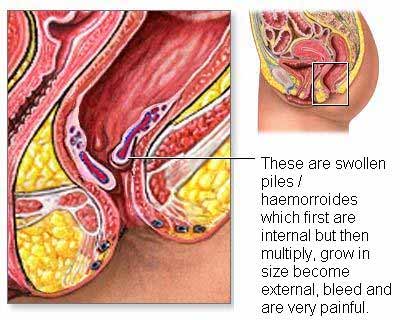
Internal vs. External Hemorrhoids: Internal hemorrhoids originate above the pectinate line inside the rectum; they are generally painless but bleed easily. External hemorrhoids form under the skin around the anus, where sensitive nerve endings make them prone to acute pain, swelling, and itching.
Warm Sitz Baths: Soaking the anal area in warm water for 15 to 20 minutes two to three times daily can relax the anal sphincter, reduce local spasm, and alleviate pain alongside cool-water post-stool cleaning.
When to Seek Immediate Evaluation: While conservative management is effective for mild to moderate piles, persistent bright red bleeding, maroon/black stools, severe sudden pain (which may indicate a thrombosed external hemorrhoid), or tissue prolapse that cannot be reduced require prompt examination by a healthcare professional.