High SGPT Levels? A Homeopathic Guide to Healing Your Liver & Heart
Discover what high SGPT (ALT) levels really mean for your liver and heart health. Learn how a gentle, effective homeopathic protocol can naturally support cellular repair and reverse alcohol-induced liver stress.
Don't self-treat a serious condition
Conditions like this deserve a doctor's eye. Start an online consultation and get a treatment plan suited to you.
Start ConsultationWelcome to your journey toward holistic healing. As a homeopathic practitioner, I believe that understanding your body's signals is the first step toward restoring vital balance. When you receive a blood test showing abnormal liver enzymes, it can feel alarming. Today, we are going to simplify what these numbers mean, specifically focusing on an enzyme called SGPT, and explore a gentle, natural protocol to support your recovery.
What is SGPT (ALT)?
Serum Glutamic Pyruvic Transaminase (SGPT) is a specific enzyme naturally found in your body. Enzymes are essential proteins that help speed up chemical reactions within our cells, keeping our metabolism functioning smoothly. SGPT is also widely known by its modern medical name: Alanine Aminotransferase, or ALT.
In a healthy individual, this enzyme is normally present and safely contained within the cells of the liver and the heart. The liver uses ALT to break down food into energy, making it a critical component of your daily digestive and metabolic vitality. As long as your liver and heart cells are healthy, SGPT remains inside them, and only very small amounts are detectable in your bloodstream.
Why Do SGPT Levels Rise in the Blood?
When the cells of the liver or the heart are subjected to stress or damaged, their cellular walls can rupture or become highly permeable. As a result, the SGPT enzyme is released from inside the cells and leaks directly into the bloodstream. Therefore, an elevated blood SGPT level acts as an internal distress signal, warning us of underlying damage.
This elevation can occur due to various reasons:
Liver Damage: Conditions such as viral hepatitis (which causes widespread inflammation of the liver tissue) will cause a significant spike in SGPT levels.
Heart Damage: An insult to the heart, such as a heart attack (myocardial infarction, where heart muscle is deprived of oxygen), will also cause this enzyme to be released into the blood.
Medications: It is important to review your prescriptions, as some conventional medications may artificially raise SGPT levels by heavily taxing the liver's detoxification pathways.
The Direct Impact of Alcohol on the Liver
Liver dysfunction is frequently and directly related to alcohol consumption. The liver is the primary organ responsible for filtering toxins, and continued, heavy drinking places an immense burden on it, which may cause an unusual and concerning rise in liver enzymes.
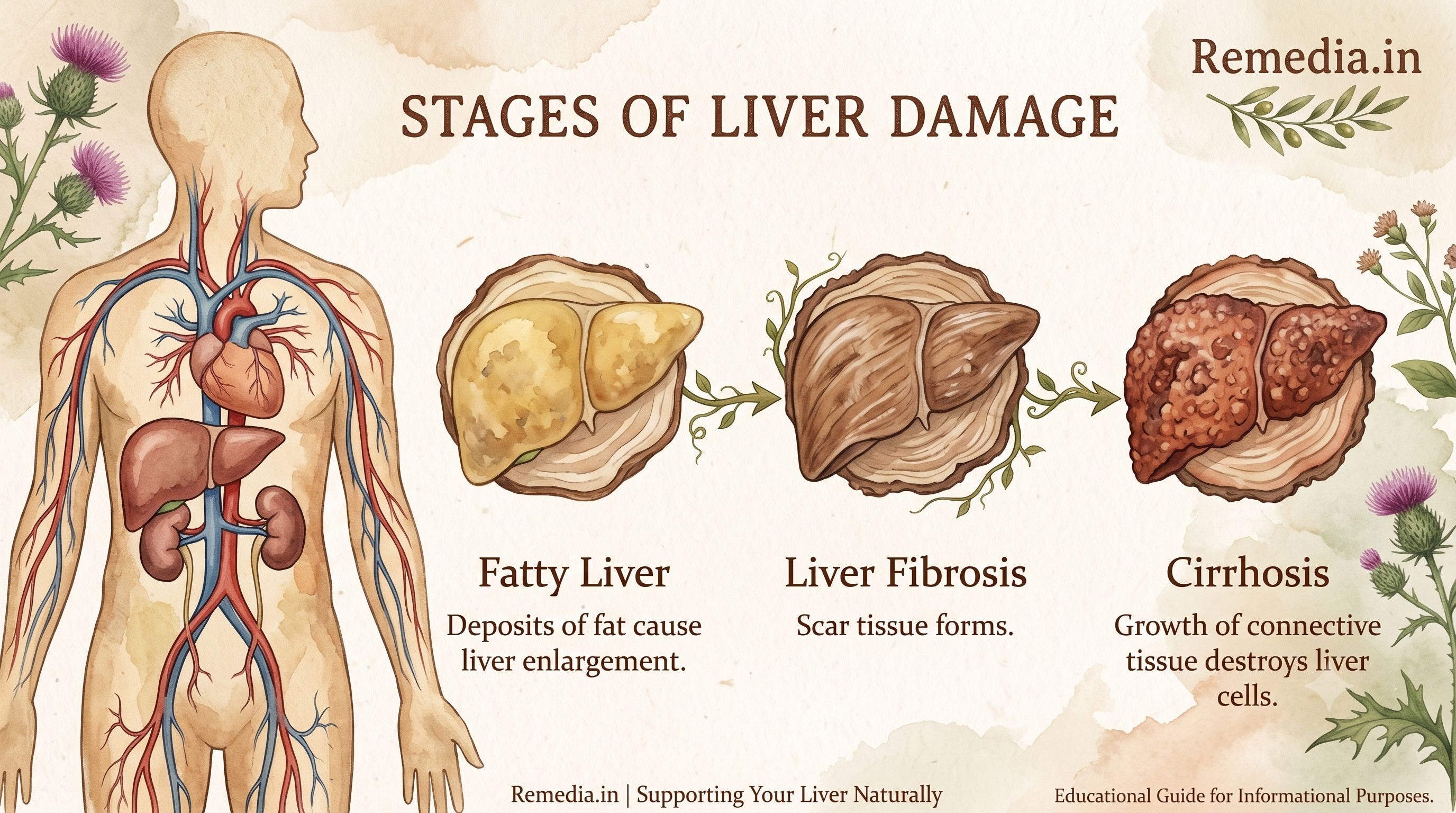
Over time, this continued toxic stress leads to a condition known as alcoholic hepatitis—a severe inflammatory condition of the liver. If you are developing alcoholic hepatitis, you may experience the following symptoms:
Pain in the right upper abdomen where the liver is anatomically located, often feeling swollen or tender to the touch.
Yellowness of the whites of the eyes, a condition clinically known as jaundice, caused by a buildup of bilirubin in the blood.
Fever, the body's natural response to acute inflammation.
Significant abnormalities in standard liver blood tests.
An important diagnostic clue in alcoholic hepatitis involves another enzyme called SGOT (Serum Glutamic-Oxaloacetic Transaminase, also known as AST). In cases of alcohol-induced liver damage, the rise in blood SGOT is typically much higher than that of SGPT. In fact, a ratio where SGOT is more than twice the level of SGPT is a classic medical marker for alcoholic liver disease.
Useful Homeopathic Medicines for Support
In homeopathy, we treat the whole person by supporting the body’s innate ability to heal. We utilize Mother Tinctures (indicated by the suffix "-Q"), which are potent, liquid botanical extracts. The following combination of remedies works synergistically to soothe both the liver and the heart:
Cratægus Oxyacantha-Q: Known as a supreme homeopathic heart tonic, this remedy helps strengthen the cardiac muscles and improves blood circulation, perfectly addressing the heart-related aspects of elevated enzymes.
Carduus Marianus-Q: This is one of our most powerful remedies for the liver and portal system. It is highly specific for liver engorgement and damage brought on by the abuse of alcoholic beverages.
Ceanothus Americanus-Q: While primarily known as a deep-acting remedy for an enlarged spleen, it works harmoniously to reduce liver congestion and supports the body’s overall blood-filtering mechanisms.
Chelidonium-Q: A premier liver remedy, it specifically targets a sluggish liver, treats right-sided upper abdominal pain (which may radiate to the right shoulder blade), and actively clears up yellowness (jaundice) in the eyes.
Simple Dosage Instructions
Consistency is key when using natural medicines to stimulate cellular repair. Please prepare and take your medicine exactly as follows:
Take ½ cup of pure (ideally filtered or spring) water.
Put exactly 5 drops of each of the four medicines into the water.
Drink it slowly, allowing the liquid to rest in your mouth for a moment before swallowing to enhance absorption.
Take this medicinal preparation 4 times a day, preferably 15 to 30 minutes away from food or strong-tasting substances like coffee or mint.
By combining these deeply acting homeopathic medicines with a clean, alcohol-free lifestyle and plenty of hydration, you can gently support your liver and heart in their journey back to optimal health.
Don't self-treat a serious condition
Conditions like this deserve a doctor's eye. Start an online consultation and get a treatment plan suited to you.
Start Consultation