The Ultimate Homeopathic Guide to Curing Psoriasis and Chronic Skin Diseases
Struggling with stubborn skin conditions? Discover the most effective homeopathic remedies for psoriasis, eczema, ringworm, and hives. Learn how homeopathy targets the root cause for lasting, natural relief without suppression.
New to homeopathy? Start here →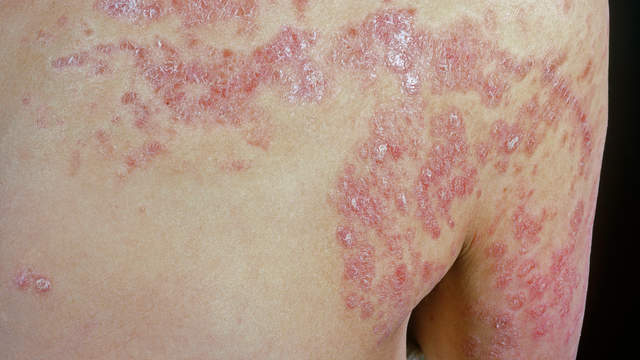
Don't self-treat a serious condition
Conditions like this deserve a doctor's eye. Start an online consultation and get a treatment plan suited to you.
Start ConsultationPsoriasis and other chronic skin affections are deeply rooted conditions that respond profoundly to homeopathic treatment. These conditions are entirely curable by homeopathy when approached with patience and precision. Suffering patients may take the following medicines, but strictly under the supervision of their family doctor or a qualified homeopathic practitioner to ensure correct remedy selection and potency.
Below is a comprehensive guide to homeopathic therapeutics for psoriasis, eczema, urticaria, and various other epidermal affections.
Major Constitutional & Antipsoric Remedies
Sulphur: Sulphur is a premier remedy when the skin is distinctly harsh, rough, coarse, and measly in appearance. It is frequently indicated for acne that appears principally on the face, heavily associated with comedos (blackheads). A hallmark of Sulphur is a great aggravation from water; all eruptions are greatly aggravated by washing, and being wet produces an intense burning sensation. It is especially suited for women who experience scanty menses and irregular blood circulation.
Often, the skin troubles calling for Sulphur are apt to alternate with some internal systemic trouble. There is a tendency toward soreness in the folds of the skin, and the eruptions are usually pustular. The scalp exhibits great dryness and heat, accompanied by intense itching; while scratching temporarily relieves the itch, it immediately causes severe burning. There may also be an eruption of yellow crusts on the scalp.
Sulphur is traditionally known as the "king of antipsorics" in homeopathic philosophy. Patients requiring this remedy typically suffer from a profound intolerance to heat, often sticking their feet out from under the covers at night. It is frequently prescribed to bring suppressed symptoms—often driven inward by the historical use of topical steroid creams—back to the surface for definitive healing.
Psorinum: This remedy is indicated for severe herpetic eruptions on the skin, accompanied by a great deal of itching which is distinctively worse as soon as the patient gets into bed. The skin appears dirty, greasy, and looks as if it had never been washed. It is highly effective for tinea capitis (scalp ringworm) featuring an oozing of offensive matter.
Psorinum is an essential nosode in homeopathy. Patients needing this remedy are notoriously chilly, requiring heavy clothing even in the summer heat, and often experience a profound emotional despair regarding their recovery, believing their disease is entirely incurable.
Graphites: Graphites is renowned for moist, scabby eruptions, especially presenting on the scalp, face, the bends of joints, and in the folds of the skin (such as between the fingers, behind the ears, and in the corners of the mouth or eyes). The affected areas are cracked, bleeding, or oozing a gluey, honey-like, thick, and tenacious discharge. Alternatively, the skin may be intensely dry and horny. There is an absence of sweat, the hair is dry and falls out, and the nails become loose. Cicatrices (scars) are also greatly benefited by Graphites. Graphites pictures more of a herpes presentation, whereas Petroleum leans toward pure eczema.
Graphites is especially suited for individuals who have a physical tendency toward obesity, frequently suffer from stubborn, large-stool constipation, and experience a marked aggravation of their skin symptoms from the warmth of the bed.
Lycopodium: Lycopodium is primarily indicated for dry, scaly eruptions rather than oozing sores. Lycopodium complaints traditionally move from the right side of the body to the left. The patient often suffers from underlying digestive disturbances, such as severe flatulence and bloating, and experiences a characteristic aggravation of all symptoms between the hours of 4 PM and 8 PM.
Arsenicum Album: Arsenicum is characterized by fierce pains described as itching, biting, gnawing, and burning. It treats watery swellings ranging from mild puffiness to severe oedema. The skin may present with eruptions, papules, nettle rash, and pimples. It is especially useful for painful ulcers that are burning and highly sensitive, accompanied by offensive discharges. Along with Arsenicum Iodide and Rhus Toxicodendron, it stands as one of the great remedies for psoriasis.
The characteristic burning pain of Arsenicum Album is paradoxically relieved by the application of heat. Patients requiring this remedy often display extreme physical restlessness, profound exhaustion, and an intense anxiety regarding their health, with symptoms typically worsening after midnight, specifically between 1 AM and 2 AM.
Arsenicum Iodide: This is a great remedy for psoriasis, matching the efficacy of standard Arsenicum and Rhus Tox. Arsenicum Iodide combines the intense burning and restlessness of Arsenicum with the profound glandular involvement and emaciation characteristic of the Iodides, making it exceptionally suited for obstinate, scaling, and deeply exfoliating presentations of psoriasis.
Calcarea Carbonica: Calcarea is used when the skin is generally unhealthy; small wounds suppurate easily and fail to heal. It is highly useful for certain forms of eczema of the scalp when accompanied by general constitutional Calcarea symptoms. It is also a valuable remedy for ringworms. Calcarea Carbonica is constitutionally suited to individuals who are fair, flabby, easily fatigued, and tend to sweat profusely around the head, particularly during sleep, completely wetting their pillow.
Silicea: Like Calcarea, there is a general unhealthy condition of the skin. The skin suppurates easily and heals with great difficulty. In suppurative (pus-forming) skin diseases, it is often our best remedy. Silicea acts as a powerful expellent; it can promote the suppuration of foreign bodies, like splinters, out of the skin, and is constitutionally suited to individuals who lack both physical stamina and mental grit, yielding easily to cold drafts.
Remedies for Vesicular Eruptions, Blisters & Erysipelas
Rhus Toxicodendron: Under Rhus Tox, the skin is red and covered with numerous vesicles (fluid-filled blisters). There is great itching and tingling, and the skin is swollen and oedematous. It is especially the paramount remedy for vesicular erysipelas. It is also a great remedy for psoriasis.
Rhus Toxicodendron eruptions are accompanied by intense physical restlessness, where the patient must constantly move or change positions to find temporary relief. The skin symptoms are strongly aggravated by cold, damp weather or getting wet while perspiring, and are significantly ameliorated by warm, dry applications.
Apis Mellifica: When comparing Apis to Rhus Tox, under Apis there is more burning and stinging rather than itching. There is also considerably more oedema (swelling). In erysipelas, Apis is more especially indicated in the pale variety rather than the vesicular variety seen in Rhus. Apis patients are generally completely thirstless despite their inflammation. Their skin symptoms, characterized by a rosy hue and extreme sensitivity to touch, are significantly relieved by cold water applications or cool open air, and are fiercely aggravated by any form of heat or warm rooms.
Cantharis: Cantharis produces large blisters on the skin, characterized especially by a great deal of burning and smarting. The formation of blisters is its defining characteristic, making it an excellent remedy for burns and scalds. Cantharis has a profound affinity for the urinary tract, meaning its skin conditions are frequently accompanied by severe dysuria, characterized by an intolerable, frantic urging to urinate with raw, burning pain.
Croton Tiglium: The blisters are very small and numerous, itching terribly. They quickly form pustules which dry into yellow scabs, the primary characteristics being the confluent nature of the vesicles and the intense accompanying itching. Hura Brasiliensis is a similar remedy here. Croton Tiglium skin conditions are often linked with a sudden, copious, and forceful watery diarrhea that shoots out abruptly, typically occurring immediately after eating or drinking.
Ranunculus Bulbosus: This remedy forms vesicles on the skin which are filled with serum and burn intensely. They sometimes take on a bluish-black appearance. It is especially indicated when these vesicles form along the course of the nerves, producing the painfully blistering disease known as shingles (Herpes Zoster). This remedy is highly effective for the lingering, shooting neuralgic pain that remains long after a shingles outbreak has visually cleared—known as post-herpetic neuralgia—especially when the pains are sharply aggravated by touch, motion, or sudden changes in the weather.
Ranunculus Sceleratus: This remedy closely resembles Cantharis in producing large blisters which burst and leave behind a raw, painful surface. Such a papulous eruption is highly characteristic of the Potashes. Unlike its botanical cousin Ranunculus Bulbosus, the pains of Sceleratus are more biting and stinging, and the raw surfaces left behind exude an acrid, intensely irritating discharge.
Hippomane Mancinella: This remedy produces vesicles on the skin accompanied by an intense erythema (redness). So highly irritating is this plant that merely having water drop from its leaves onto the skin will produce vesicles. It has been utilized effectively in scarlet fever when this intense, burning irritation of the skin exists. The intense skin irritation of Hippomane Mancinella is often accompanied by a distinct mental state characterized by a profound, overwhelming fear of going crazy or losing one's mind.
Belladonna: Belladonna causes a bright scarlet redness of the skin which is extremely sensitive to the touch. It treats an erysipelatous condition where there is a great deal of throbbing, feeling as if the deeper parts of the skin and underlying tissues were severely affected. The onset of Belladonna symptoms is incredibly sudden and violent, typically accompanied by a bounding, rapid pulse, widely dilated pupils, and a sensation of intense, radiating heat from the affected skin.
Arnica: Arnica produces a peculiar form of erysipelas—a dermatitis presenting with much itching and soreness, uniquely dark blue in color. It is useful for boils marked by great soreness. The skin symptoms of Arnica are antidoted by Camphor. When applied externally, Arnica should always be diluted because the tincture is resinous; not only is it liable to produce the erysipelatous condition referred to in sensitive skins, but this resinous quality interferes with its easy absorption.
Arnica is primarily a trauma remedy; its skin symptoms often result from blunt force injuries, leaving the patient with a bruised, severely sore feeling where they claim they cannot bear the hardness of the bed they lie on.
Remedies for Scalp Affections, Eczema & Crusts
Mezereum: Mezereum presents with numerous small vesicles featuring terrible itching. The defining characteristic is that the secretion dries very quickly, producing thick, high scabs, from beneath which an acrid, thick pus oozes. Crusts and severe itching are its hallmarks. The intense itching of Mezereum is uniquely worsened by taking a warm bath or getting into a warm bed, often leading to frantic scratching until the skin bleeds, after which the burning sensation intensifies.
Oleander: The skin is highly sensitive; even slight friction causes severe chafing and soreness. It produces an eruption on the scalp and the back of the ears that resembles a crusta lactea, which oozes a fluid and easily breeds vermin. Oleander patients frequently experience a ravenous appetite, eating hurriedly, and may suffer from trembling or profound weakness immediately after meals. The oozing fluid from the eruptions often causes severe excoriation wherever it drips onto healthy skin.
Vinca Minor: This remedy also produces a scalp eruption which breeds vermin. The thick discharge produces a deeply matted condition of the hair, giving rise to a very offensive odor. It treats eczema of the scalp and face, and is highly indicated for Plica Polonica (matted hair disease). Vinca Minor is specifically indicated when the skin is highly sensitive, and the constant scratching results in an excessive, weeping moisture that binds the hair together in inescapable, sticky tangles.
Viola Tricolor: Viola Tricolor is exceptionally useful for thick crusts on the scalp where the exudation is very copious. It mats the hair much like Vinca minor, but is distinctly distinguished by its urinary symptoms: the patient's urine smells strongly like that of a cat. It is a prime remedy for crusta lactea featuring this copious exudation. Viola Tricolor has a strong therapeutic affinity for the right side of the face and head. The distinct feline odor of the urine is an invaluable guiding symptom for its prescription in infantile chronic eczema.
Staphisagria: The Staphisagria eruption is notably worse on the occiput (back of the head). The characteristic indication is that it itches terribly, but the act of scratching immediately changes the place of the itching to another location (a trait shared with Anacardium and Mezereum). Staphisagria is a premier constitutional remedy for physical conditions arising from suppressed emotional trauma, such as hidden anger, unexpressed grief, or deeply felt indignation, which often manifest physically as highly irritable skin eruptions.
Nux Juglans and Arctium Lappa: Both are highly useful in cases of Crusta Lactea (cradle cap or infantile scalp eczema). Nux Juglans is particularly effective when the scalp crusts are accompanied by swollen, indurated cervical lymph nodes, while Arctium Lappa is indicated when the eruptions are predominantly focused on the head, face, and neck, accompanied by a characteristic foul-smelling sweat.
Petroleum: Petroleum produces an eruption which particularly occurs behind the ears. It is a pure eczema. The skin is remarkably harsh and dry, developing deep cracks and fissures which readily bleed and suppurate. The finger tips become deeply cracked and painful, and the hands easily chap. Petroleum skin symptoms are notoriously seasonal; they are severely aggravated during the cold winter months and often clear up entirely, as if by magic, during the warmth of the summer.
Natrum Muriaticum: Indicated for a dry, scaly eruption, or a herpetic eruption consisting of little watery blisters, especially presenting in the bends of the knees. It is also a profound remedy for affections of the scalp accompanied by a severe falling out of the hair and the eyebrows. Eruptions favor the flexor surfaces of the body. Natrum Muriaticum patients typically have a profound craving for salt, possess a deep-seated emotional reserve, and experience an aggravation of their symptoms from exposure to the hot sun or at exactly 10:00 AM.
(Note: While Natrum Mur favors flexor surfaces, Kreosote is the indicated remedy when eruptions predominantly appear on the extensor surfaces.)
Hydrocotyle Asiatica: Useful for severe skin diseases presenting with an immense amount of desquamation (flaking and peeling). Hydrocotyle has a specific and powerful affinity for stimulating cellular turnover and targeting the thickening of the epidermoid layer, making it highly valuable in severe, plaque-heavy cases of psoriasis, lupus, and elephantiasis.
Remedies for Ringworm, Sycotic Eruptions & Warts
Sepia: Sepia causes yellowish-brown spots on the skin accompanied by itching, redness, and rawness. It is especially known as a remedy for ringworms and herpetic conditions located specifically about the knees and ankles. Sepia is deeply indicated for patients lacking vital heat, who feel physically exhausted and "dragged down." They often exhibit a characteristic pigmentation known as a 'yellow saddle' across the bridge of the nose and cheeks.
Tellurium: Alongside Sepia and Calcarea Carbonica, Tellurium is highly useful for the treatment of ringworms. Tellurium ringworms often present in vivid, intersecting rings over the body, and the affected areas frequently emit a distinct, offensive, garlic-like odor.
Sarsaparilla: Indicated for sycotic eruptions that look like the roseola of syphilis and itch intolerably. These eruptions exude an irritating pus, frequently presenting as moist eruptions about the genitals. It is a primary anti-sycotic remedy. Sarsaparilla is deeply indicated when the patient's skin symptoms are accompanied by a specific urinary modality: severe, unbearable pain occurring at the very conclusion of urination.
Thuja Occidentalis: Thuja is the chief remedy for warts and diseases of the epidermal tissue, such as fungal or dystrophic affections of the nails. Thuja warts are distinctively fissured, cut up, and have a jagged, cauliflower appearance. Thuja is the primary sycotic remedy in homeopathy, frequently used for ailments stemming from suppressed gonorrhea or adverse systemic reactions to vaccinations.
Causticum: When comparing warts, the Causticum warts have a solid body and are very horny in texture, distinguishing them from the fissured Thuja warts. Causticum warts tend to appear prominently on the tips of the fingers, on the nose, or directly on the eyelids, and are often accompanied by a general stiffness in the joints.
Antimonium Crudum: This remedy produces thick, horny callosities on the skin. It causes a deficient growth of the nails, and its eruptions are distinctly crusty—the crusts being of a thick, honey-yellow character. The skin cracks easily. Antimonium Crudum patients are easily recognizable by a thick, milky-white coating on their tongue and a profound emotional crossness, especially seen in children who cannot bear to be looked at or touched.
Remedies for Urticaria (Hives) & Intense Itching
Apis in Urticaria: In hives, the Apis eruption suddenly appears on the surface of the skin in long, pinkish-white welts, accompanied by terrible itching and stinging.
Urtica Urens: Produces nettle rash with intolerable itching and burning. It is highly specific for hives triggered by eating shell fish. It is also indicated in the absence of milk after confinement (childbirth) without apparent cause. Urtica Urens is particularly effective when hives occur annually at the exact same time of year, or when the intensely itching skin symptoms alternate with joint pains resembling acute rheumatism.
Terebinthina: Along with Urtica Urens, this is especially useful for urticaria caused directly by eating shell fish. Terebinthina is indicated when the hives are accompanied by underlying kidney inflammation, often revealing itself through dark, smoky-looking, or bloody urine.
Dulcamara: Produces an eruption of large wheals. It is useful in such hives when brought on by digestive troubles, featuring a strong aggravation from cold air. Dulcamara is the primary remedy for ailments brought on by a sudden change in the weather from warm to cold and damp, perfectly addressing hives that erupt as soon as the atmospheric temperature precipitously drops.
Dolichos: Indicated for a violent itching all over the body without any visible eruption. It is particularly useful in the intense, systemic itching associated with jaundice, which is invariably worse at night. Dolichos is one of the few homeopathic remedies perfectly tailored for intense, generalized pruritus where absolutely no rash or lesion is visible to the naked eye, particularly in liver-compromised patients.
Comocladia Dentata: This remedy has many symptoms on the skin that are similar to Rhus toxicodendron, but its peculiar, differentiating symptom is a pain in the right eye, feeling as if it were pushed out of the head, which is worse when standing near a warm stove. The skin eruptions of Comocladia often present with a deep redness and swelling that strongly mimics a malignant erysipelas, leaving the skin feeling unnaturally tight, hot, and excessively rigid.
Chininum Sulphuricum: Causes erythematous eruptions which greatly resemble scarlet fever. Conditions requiring Chininum Sulphuricum are often characterized by distinct periodicity, where the rashes or accompanying fevers return at exactly the same hour every day, frequently accompanied by ringing in the ears.
Remedies for Acne, Poison Ivy & Specialized Eruptions
Ledum: Indicated for a red, pimply eruption on the face, specifically small pimples concentrating at the root of the nose. It is a notable remedy for acne presenting in heavy brandy drinkers. Ledum is characteristic for skin lesions that actually feel cold to the touch, yet are subjectively relieved by the application of freezing cold water or ice.
Kalium Bromatum: A primary remedy that produces and cures acne. The acne requiring Kalium Bromatum often presents in individuals suffering from profound mental exhaustion, night terrors, or extreme restlessness of the hands, with the skin lesions sometimes displaying a distinct lack of sensation.
Acne from Sexual Excess: For acne due to sexual excesses or masturbation, the primary remedies are Antimonium Crudum, Aurum Metallicum, Phosphoric Acid, and Kalium Bromatum. Aurum Metallicum in this context often addresses deep psychological despair or guilt accompanying the physical symptoms, while Phosphoric Acid specifically targets the profound mental and physical apathy resulting from such excesses.
Other Acne Remedies: Natrum Mur, Antimonium Tartaricum, and Hepar Sulphur are some other remedies that may frequently be found indicated in cases of Acne depending on constitutional symptoms.
Hepar Sulphur: The skin is acutely sensitive to the open air. The skin is inflamed, and minor injuries suppurate easily. The eruptions and ulcerations are remarkably sensitive, bleed easily, and discharge a foul-smelling excretion. Around the principal ulcerations, there are often satellite little pimples. Hepar Sulphur patients are hyper-sensitive to both pain and cold; even the slightest draft of air or the lightest touch on an eruption can provoke intense anger and profound suffering.
Antimonium Tartaricum: It produces an eruption of large pustules closely resembling those of smallpox, for which it is a curative remedy. Patients needing Antimonium Tartaricum often present with profound physical weakness, overwhelming drowsiness, and a characteristic rattling of mucus in the chest that cannot be easily expectorated.
Anacardium Orientale: Useful where the skin is covered with small blisters that have an umbilicated center (a small depression in the middle). They discharge a yellow serum which hardens into crusts with extreme itchiness. It is one of the premier antidotes to Rhus (Poison Ivy) poisoning. Anacardium patients frequently suffer from a profound duality of mind, feeling as though two distinct wills are fighting within them. Their skin symptoms and mental anxieties are uniquely ameliorated by the process of eating. (Note: Croton Tiglium, Ammonium Carbonica, and Grindelia Robusta are also highly effective drugs useful for Rhus poisoning.)
Anacardium Occidentale: Useful in a vesicular eruption on the skin which is umbilicated and which itches terribly. While similar to Anacardium Orientale, this remedy is specifically noted for its potent local blistering effects, historically used to treat persistent corns, warts, and calluses by direct, careful application.
Natrum Carbonicum and Pix Liquida: These are specific remedies for eczema located on the dorsa (backs) of the hands. Natrum Carbonicum is particularly suited to individuals who suffer from extreme exhaustion during the heat of summer, while Pix Liquida (Pine Tar) targets terrible, unrelenting itching that is notoriously worsened by scratching.
Local Applications & Hygiene
While internal homeopathic remedies treat the root cause of psoriasis and skin affections, external hygiene is necessary for comfort and preventing secondary infection. Wash the affected areas gently with warm water and glycerin soap twice daily. Following the wash, apply Calendula Q topically. Calendula Q (mother tincture) acts as a remarkable homeopathic antiseptic, promoting rapid granulation and healing of tissues while preventing suppuration and scarring, all without suppressing the underlying disease inward.
Don't self-treat a serious condition
Conditions like this deserve a doctor's eye. Start an online consultation and get a treatment plan suited to you.
Start Consultation
Medically reviewed by
Dr. Gupta · B.Sc. GHMS
Senior Homoeopath with 40+ years of field experience
View full profile →