A Clinical Guide to Thyroid Dysfunction: Thyrotoxicosis, Hyperthyroidism, and Homeopathic Therapeutics
Discover a clinical guide to managing thyrotoxicosis and hyperthyroidism using specific homeopathic therapeutics, dietary protocols, and symptom-based remedies.
Don't self-treat a serious condition
Conditions like this deserve a doctor's eye. Start an online consultation and get a treatment plan suited to you.
Start ConsultationUnderstanding the Condition
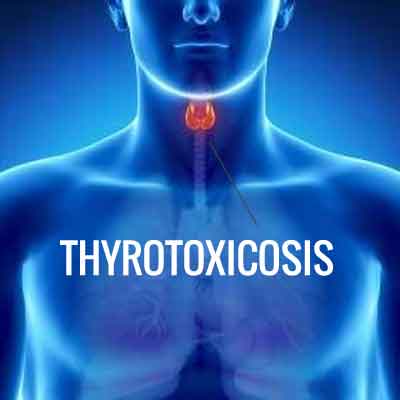
The thyroid is a small, butterfly-shaped gland located at the base of the neck that acts as the body's master metabolic control center. When this gland functions improperly, it can lead to severe metabolic disturbances.
Thyrotoxicosis is a hypermetabolic clinical syndrome. It results directly from serum elevations in thyroid hormone levels—specifically free thyroxine (T4), triiodothyronine (T3), or a combination of both.
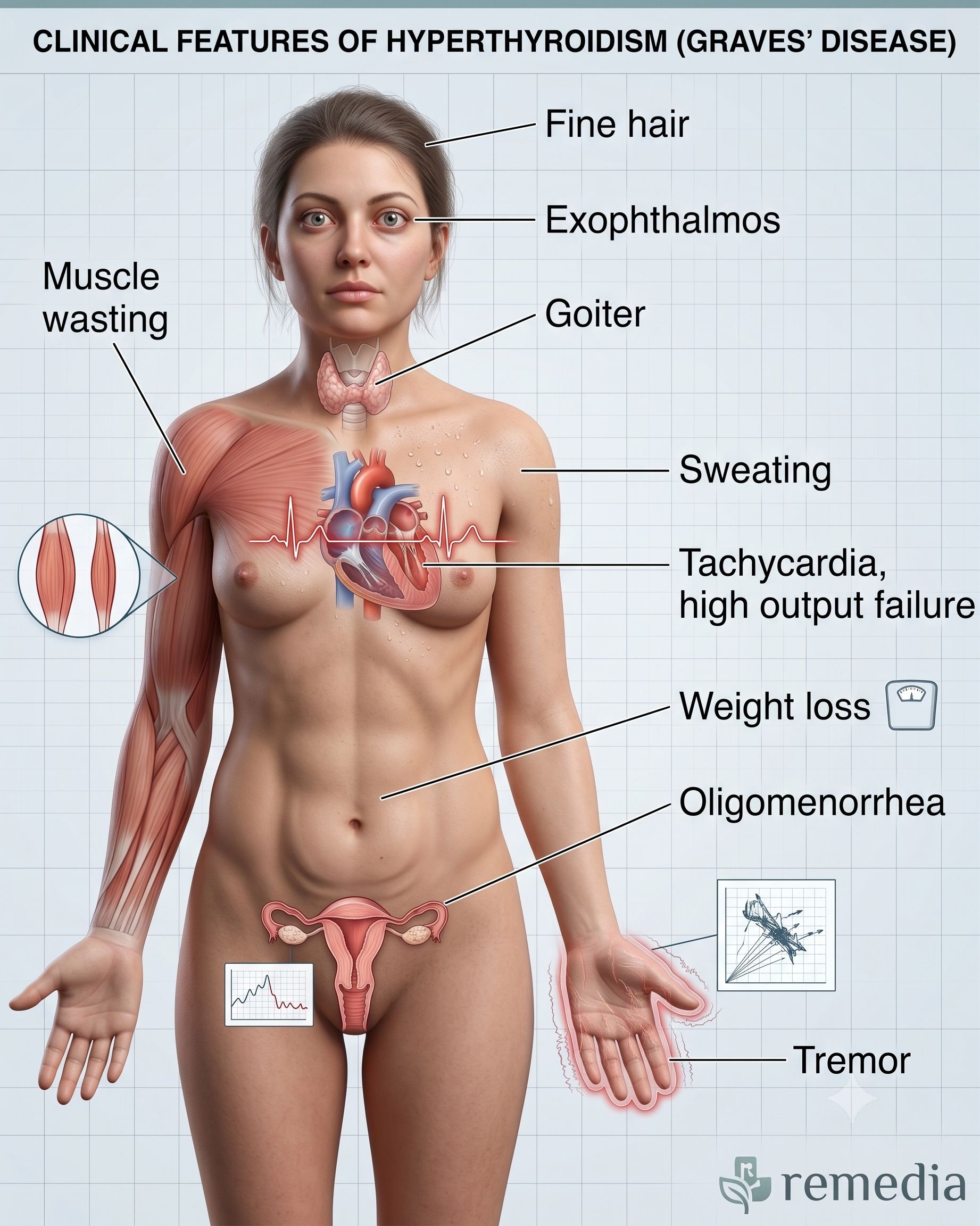
Hyperthyroidism is a specific category of thyrotoxicosis characterized by the accelerated biosynthesis and secretion of thyroid hormones by the thyroid gland itself. While many patients experience thyrotoxicosis as a direct result of hyperthyroidism, this is not always the case. Some individuals develop thyrotoxicosis due to inflammation of the thyroid gland (thyroiditis). In these inflammatory cases, the gland releases pre-stored thyroid hormones into the bloodstream without actually accelerating the synthesis of new hormones. Graves' disease, an autoimmune disorder, remains the most common underlying cause of true hyperthyroidism globally.
General Management Protocol
For patients suffering from thyroid dysfunctions, a structured medicinal and dietary approach is essential. Patients should only initiate the following protocols under the guidance and permission of their managing healthcare provider.
Medicinal Mixture
In homeopathic practice, mother tinctures (denoted by 'Q' or 'θ') contain the lowest dilution of the medicinal substance and are frequently utilized for direct physiological organ support.
Prepare the following daily mixture:
Take 50 ml of well-boiled water and allow it to cool to body temperature (lukewarm).
Add Crataegus Oxyacantha-Q: 100 drops.
Add Spongia Tosta-Q: 1 drop.
Mix the solution thoroughly.
Dosage: Administer approximately 5 ml of this mixture every 8 hours.
Intercurrent Remedy
Thuja Occidentalis-30: Take 1 drop in half a cup of water once every fortnight (every 14 days). Thuja is classically prescribed as a deep-acting intercurrent remedy to clear underlying miasmatic blockages, particularly in cases involving glandular proliferation.
Dietary Guidelines
Nutrition plays a vital supporting role in managing hypermetabolic states.
Consume: Plenty of fresh fruits and green leafy vegetables regularly.
Avoid: Spicy foods, fried items, and highly processed junk foods. Hyperthyroidism severely taxes the digestive system and accelerates metabolism; thus, a clean, whole-food diet prevents unnecessary digestive strain and nutritional depletion.
Materia Medica: Specific Therapeutics
The following remedies are indicated based on individual symptomatology. The foundational principle of homeopathy is 'Similia Similibus Curentur' (Like cures like), meaning the selected remedy must closely match the holistic symptom picture and constitution of the patient.
Primary Thyroid & Cardiac Therapeutics
Spongia Tosta
Profile: Highly suited for children and women, particularly those with light, lax skin and weak musculature.
Symptoms: Patients exhibit extreme exhaustion and heaviness of the body even after slight exertion. This is accompanied by great anxiety, a pale face, nausea, and difficult breathing. Painful stiffness is noted in the muscles of the neck and throat.
Cardiac Signs: Violent palpitation of the heart (similar to Aconite, Arsenicum, Belladonna, Lycopus, Spigelia, Sulphur) paired with pain and gasping respiration. The patient frequently awakens after midnight with a sense of suffocation, great alarm, and anxiety. Pulse is full, hard, and frequent. It is indicated in angina pectoris with contracting chest pains, heat, faintness, and anxious sweat, as well as aortic aneurysms and rheumatic endocarditis featuring a loud blowing sound with each heartbeat.
Glandular Signs: The thyroid gland is visibly swollen and hard (similar to Iodine), associated with stitching pains and nocturnal suffocative attacks.
Alternative Dosage Note: Spongia-Q may also be taken as 1 drop in a cup of water twice daily after meals, depending on the practitioner's specific instruction.
Iodine (Iodium)
Profile: The hallmark of this remedy is extreme, ravenous hunger, yet the patient continues to emaciate despite eating constantly.
Symptoms: The function of the glandular system is severely interfered with, leading to profound torpidity and general sluggishness of the system.
Bromium
Profile: More suitable for individuals with light hair and blue eyes.
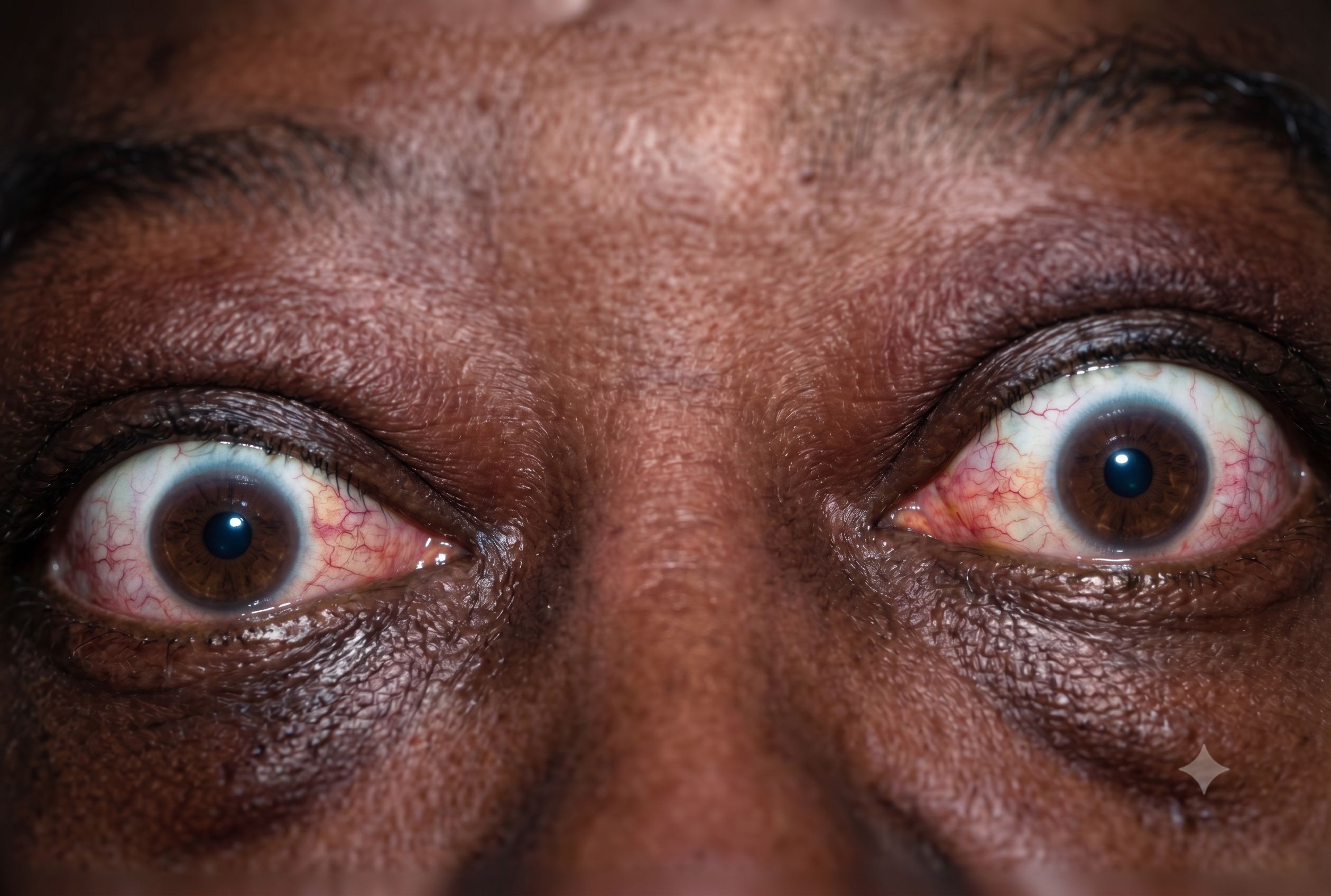
Symptoms: Characterized by great weakness and lassitude that persists even after all acute symptoms have passed. A unique identifying physical symptom is icy-cold forearms, or strictly cold hands. Often presents with a distinct "thyroid stare" (widened, unblinking eyes).
Thyroidinum
Symptoms: Indicated for anaemia, emaciation, profound muscular weakness, and excessive sweating. Neurological signs include headaches, nervous tremors of the face and limbs, tingling sensations, and even paralysis.
Clinical Signs: Increased heart rate (tachycardia), exophthalmos (bulging eyes), and dilation of the pupils.
Other Applications: Its clinical effects are strikingly positive in conditions like myxoedema and cretinism. Also indicated in rheumatoid arthritis, infantile wasting, rickets, delayed union of bone fractures, and a distinct craving for large amounts of sweets. Sarcodes like Thyroidinum are derived from healthy glandular tissues and act to balance the function of the corresponding human organ.
Constitutional & Nutritional Therapeutics
Fluoricum Acidum
Profile: Indicated in disorders stemming from perverted nutrition (often compared side-by-side with Silicea and Calcarea).
Symptoms: Deep-seated diseases of the osseous (bone) tissue, particularly the long bones. Prone to fistulae and whitlows. Accompanied by dyspepsia, diabetes, and varicosis. It addresses ailments resulting from the abuse of Mercury or Silicea, and an enlarged, indurated (hardened) liver following whiskey abuse. Highly suited for complaints of old age or premature aging resulting from a syphilitic or mercurial dyscrasia.
Natrum Muriaticum
Profile: Specifically indicated for thin-necked children who exhibit a ravenous appetite but continue to grow thin (similar to Iodine).
Symptoms: Marked by great, unquenchable thirst and a constant, uncomfortable heat and dryness of the mouth and throat, which is temporarily relieved by drinking water.
Paediatric & Developmental Therapeutics
Calcarea Phosphorica
Profile: Thin, emaciated children who are predisposed to glandular and osseous (bone) diseases.
Symptoms: Delayed development, highlighted by a large head, open fontanelles, and tardy tooth eruption. The spine exhibits curvature and is so weak it cannot support the body's weight, accompanied by a remarkably slim neck. The child vomits persistently and suffers from diarrhoea characterized by green, slimy, and undigested stools.
Magnesia Carbonica
Profile: Puny, sickly children who are improperly nourished.
Symptoms: Milk causes severe stomach pain and is vomited completely undigested. Accompanied by griping, colicky abdominal pains. Stools are distinctively sour and as green as grass. The child's mouth is frequently full of painful ulcers.
Calcarea Carbonica
Profile: Easily identified by a triad of constitutional signs: profuse sweat on the head, damp and cold feet, and a visibly swollen, distended abdomen.
Hepar Sulphuris Calcareum
Profile: A constitutional midpoint standing between Sulphur and Calcarea.
Symptoms: Marked by profound weakness of digestion. Diarrhoea that is notably worse during the daytime and immediately after eating. The stools are undigested and sour, and the patient's entire body emits a distinctly sour smell.
Don't self-treat a serious condition
Conditions like this deserve a doctor's eye. Start an online consultation and get a treatment plan suited to you.
Start Consultation